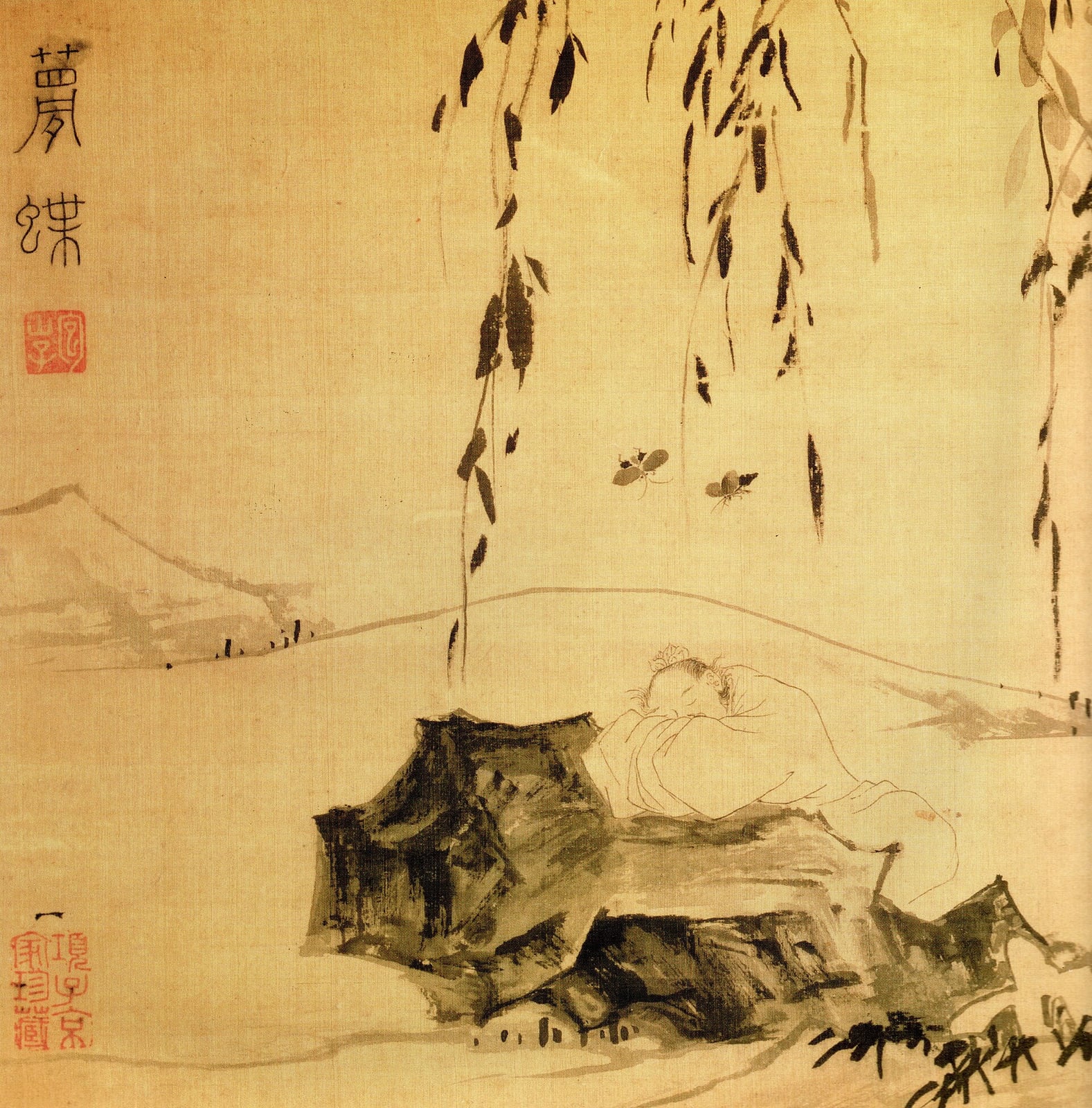
Zhuangzi Dreams of a Butterfly
Parables and paradoxes made Daoist philosophy playful and strange.
During the late Warring States period, an ancient Chinese philosophical tradition found an inventive literary voice in the text bearing the name of Zhuang Zhou. Known honorifically as Zhuangzi, this thinker lived around the fourth century BC, with most historians placing his birth near 369 BC in the state of Song and his death between 301 and 286 BC. Later biographical details compiled during the Han dynasty drew heavily on the writings attributed to him, leaving little independently verified information about his life. Nevertheless, the anthology associated with his name evolved into one of the foundational masterworks of classical Taoism, distinct from contemporary treatises through its use of humor, parables, and irreverence.
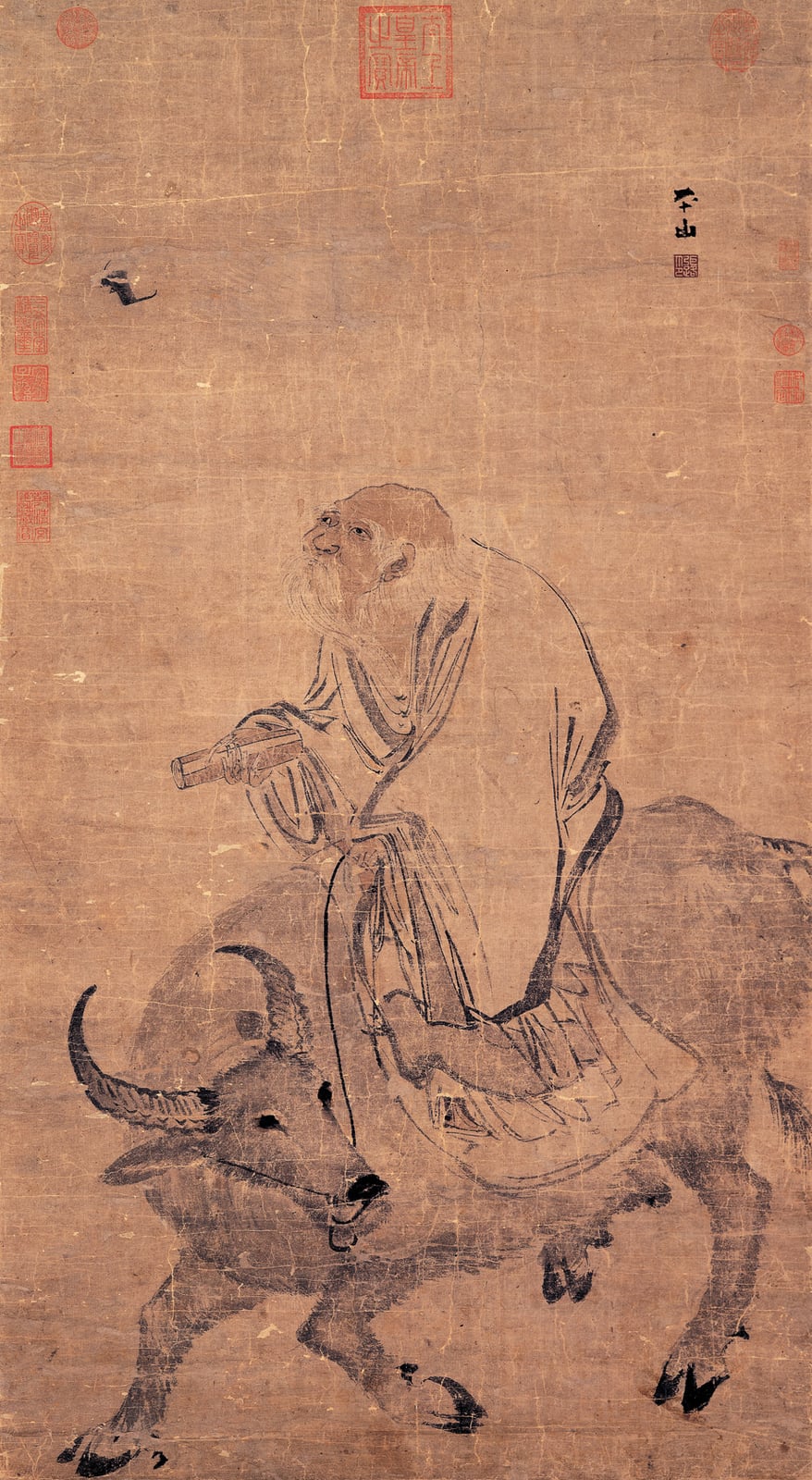
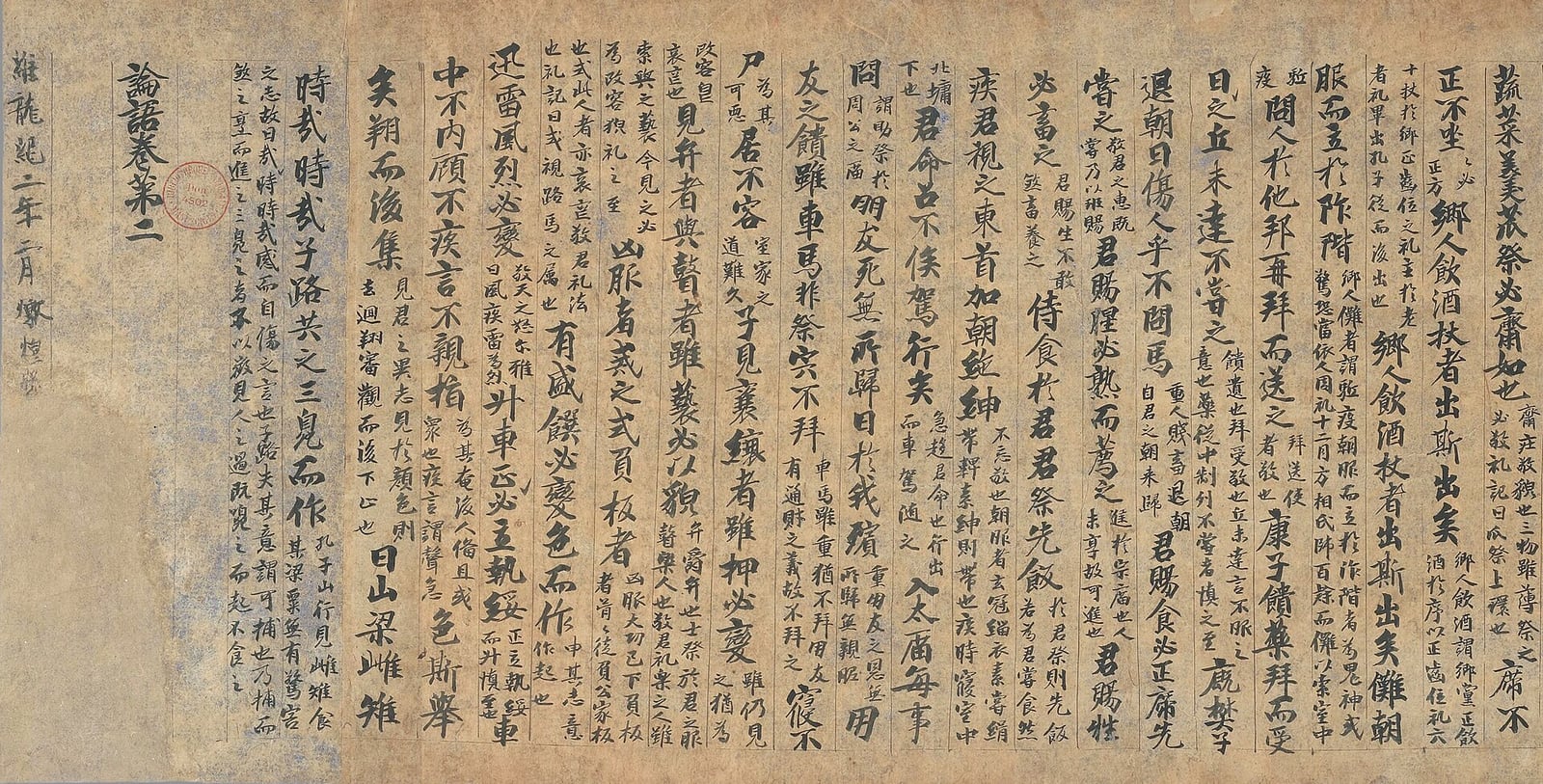
The stories in the collection depart sharply from other Chinese literature of the era, where anecdotes were primarily drawn from folk legends to illustrate moral duties. Zhuang Zhou invented his own fables and populated them with eccentric characters such as hunchbacks, criminals with amputated feet, talking animals and even a talking skull. Many episodes undermine the rigid doctrines promoted by rival schools. The historical figure of Confucius appears frequently throughout the work, alternately serving as an object of satire, a compliant mouthpiece for Zhuang Zhou's own insights, or a respectful learner bested in dialogue by older sages like Laozi.

Keep reading in Yester
Coming soon to the App Store
Keep following the story
Sources
Image: Lu Zhi