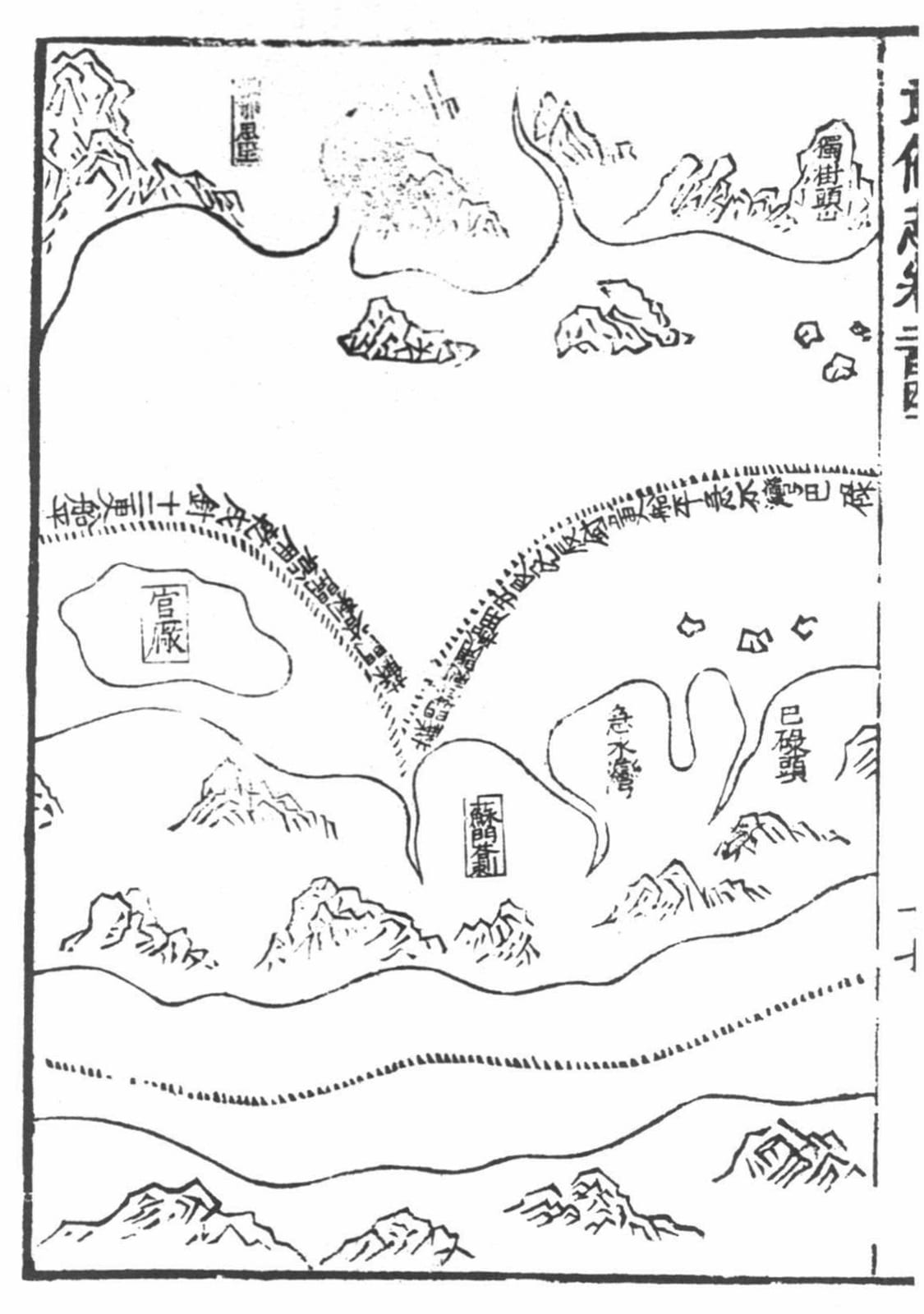
Zheng He’s Fleets Make the Indian Ocean an Imperial Stage
Beginning in 1405, expeditions from Ming China entered an already connected maritime world. Trade, diplomacy and displays of power traveled together.
On July 11, 1405, an imperial fleet commanded by the Ming official Zheng He sailed from Suzhou, marking the beginning of three decades of state-sponsored naval expeditions across the Western Ocean. Born Ma He into a Muslim family in Yunnan, he had been captured by Ming forces as a boy during the conquest of the region in 1381, castrated, and assigned to the household of Zhu Di. After Zhu Di seized the imperial throne as the Yongle Emperor following the Jingnan civil war, he elevated his trusted aide to Grand Director and conferred upon him the surname Zheng.
Accounts of the first expedition describe a fleet of hundreds of vessels carrying roughly 28,000 people, ranging from sailors and soldiers to diarists, medical workers, and specialized linguists trained at a newly established foreign language institute in Nanjing. The Yongle Emperor intended these maritime undertakings to extend China's political and commercial influence, impose state supervision over regional trade, and draw distant rulers into the imperial tributary network. Passages in the History of Ming have led some commentators to propose that the early voyages also functioned as an effort to locate Zhu Di's deposed predecessor, though the expeditions quickly took on a much broader diplomatic and strategic purpose.

Keep reading in Yester
Coming soon to the App Store
Keep following the story
Sources
Image: Mao Yuanyi (1594–1640?), editor of the Wubei Zhi; and an unknown cartographer.