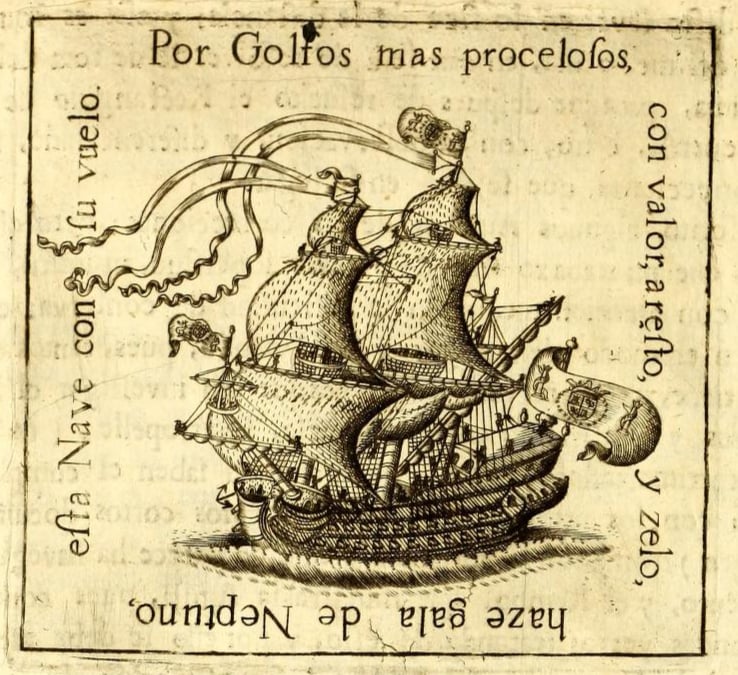
The Manila Galleons Link Asia and the Americas
Spanish ships crossed the Pacific each year for two and a half centuries.
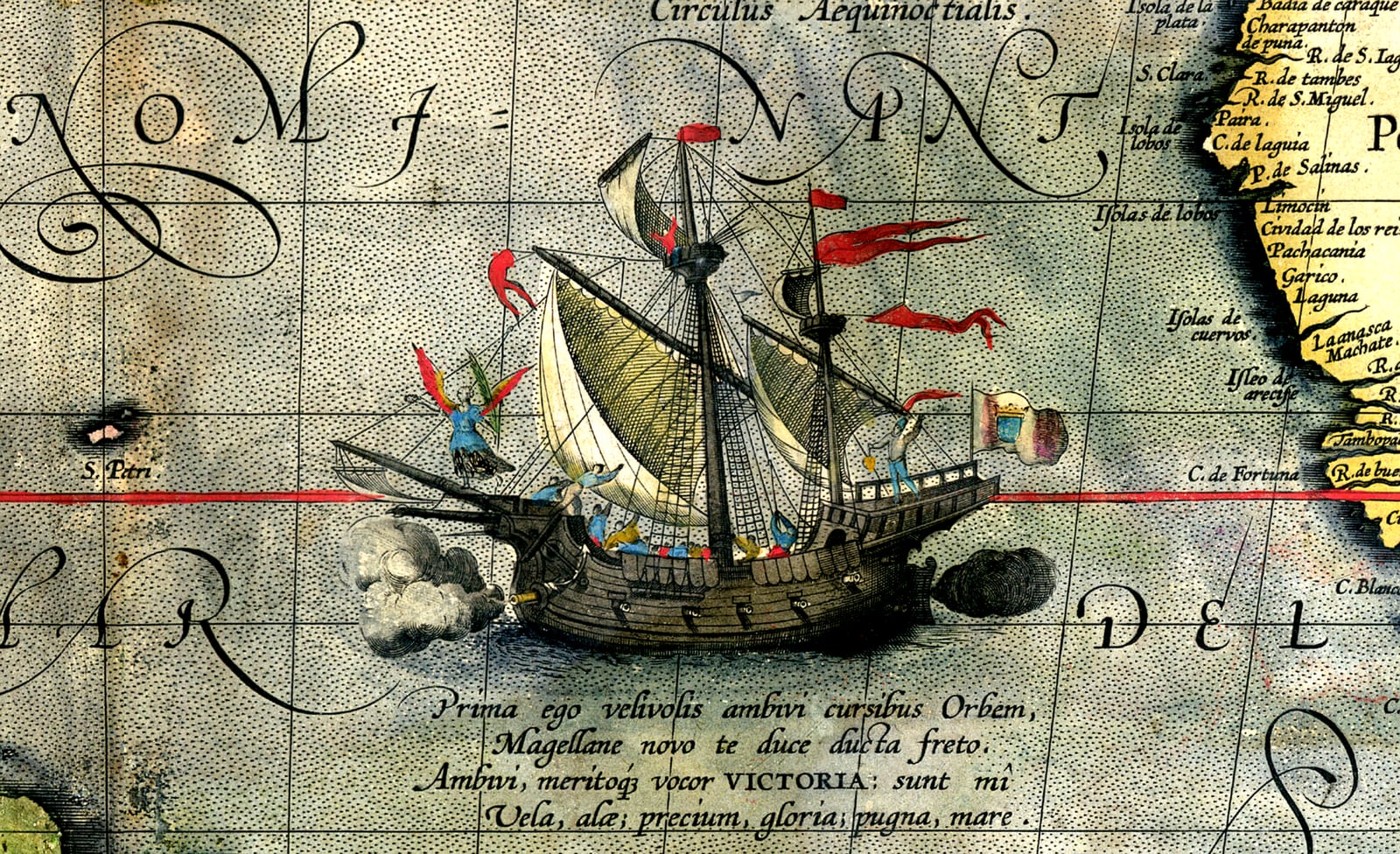
In 1565, the Spanish navigator Andrés de Urdaneta charted an eastward course across the northern Pacific Ocean, establishing a viable return path from the Philippines to the Americas. Spanish expeditions had previously crossed westward using prevailing trade winds, beginning in 1521 when an expedition led by Ferdinand Magellan reached the Philippine archipelago. Returning eastward proved far more difficult, defeating several attempts until Urdaneta sailed north toward Japan, caught the eastward westerlies, and reached Acapulco in October 1565, about four months after leaving Cebu. This navigational feat opened the regular transpacific corridor known as the Manila galleon trade, linking Manila in the Spanish East Indies with Acapulco in New Spain.
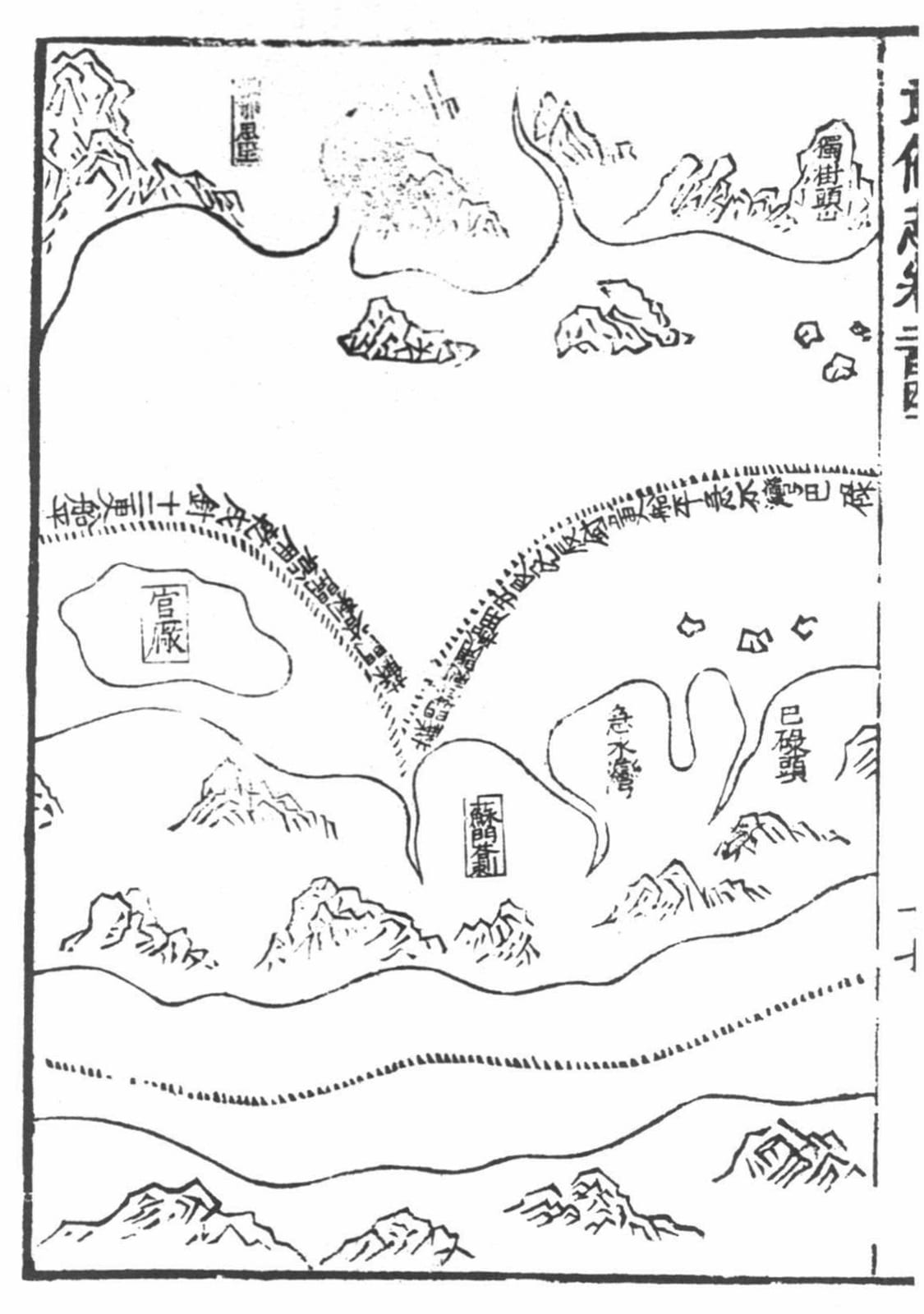
The Manila trade route formed an enduring conduit for global commerce, functioning under royal oversight until 1815. Ships generally set out from Manila Bay between late June and early July, riding high-latitude winds on an eastward crossing that usually took about six months, while galleons began the westward return from Acapulco in March or April. The westward return voyage followed lower latitudes closer to the equator, calling at the Mariana Islands before proceeding through the San Bernardino Strait. To balance colonial commerce and satisfy merchants in Seville who feared competition, the Spanish Crown restricted the regular traffic in 1593, establishing an annual limit of two vessels sailing in each direction, with one kept in reserve at either end.

Keep reading in Yester
Coming soon to the App Store
Keep following the story

Sources
Image: González Cabrera Bueno, José