Zanzibar Becomes the Capital of an Omani Trading Empire
The sultan’s move made the island a hub of the cloves and ivory trade.
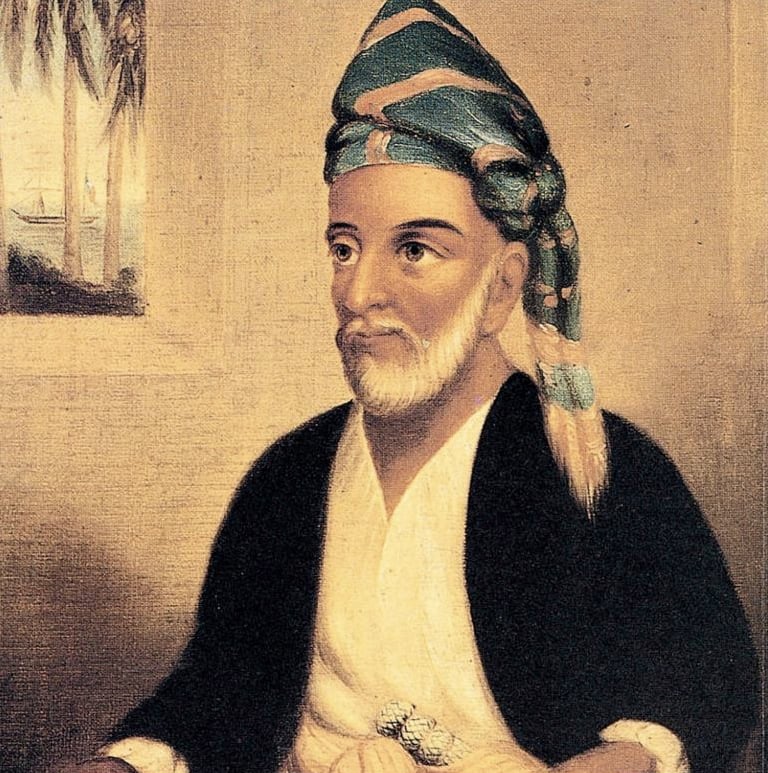
Zanzibar entered the sphere of Omani rule in 1698, following the defeat of the Portuguese at Mombasa by Saif bin Sultan, the Imam of Oman. For well over a century, the archipelago remained an outlying overseas possession administered from Muscat. That dynamic shifted decisively when the Omani ruler Said bin Sultan transferred his royal court from the Arabian Peninsula to Stone Town on the island of Unguja. Historical accounts place this consequential relocation in either 1832 or 1840, establishing Zanzibar as the administrative and economic center of a maritime empire.
The move fundamentally reshaped the island's society and agricultural landscape. Said bin Sultan established an Arab ruling elite and directed the widespread expansion of clove and coconut plantations. To support this expanding agricultural economy, landowners relied systematically on enslaved labor. During the nineteenth century, the East African slave trade grew rapidly, transforming Zanzibar into a primary maritime hub for human trafficking as well as agricultural exports. At the same time, the sultan encouraged merchants from the Indian subcontinent to settle on Unguja, and commercial finance and overseas exchange increasingly passed through their networks.

Keep reading in Yester
Coming soon to the App Store
Keep following the story

Sources
Image: Author unknown; painted by an American sailor, possibly Lieutenant William F. Lynch