Kilwa Connects the Swahili Coast to an Ocean of Trade
Coral-stone buildings on an East African island reveal a port linked to inland gold, maritime trade and a sophisticated Swahili urban culture.
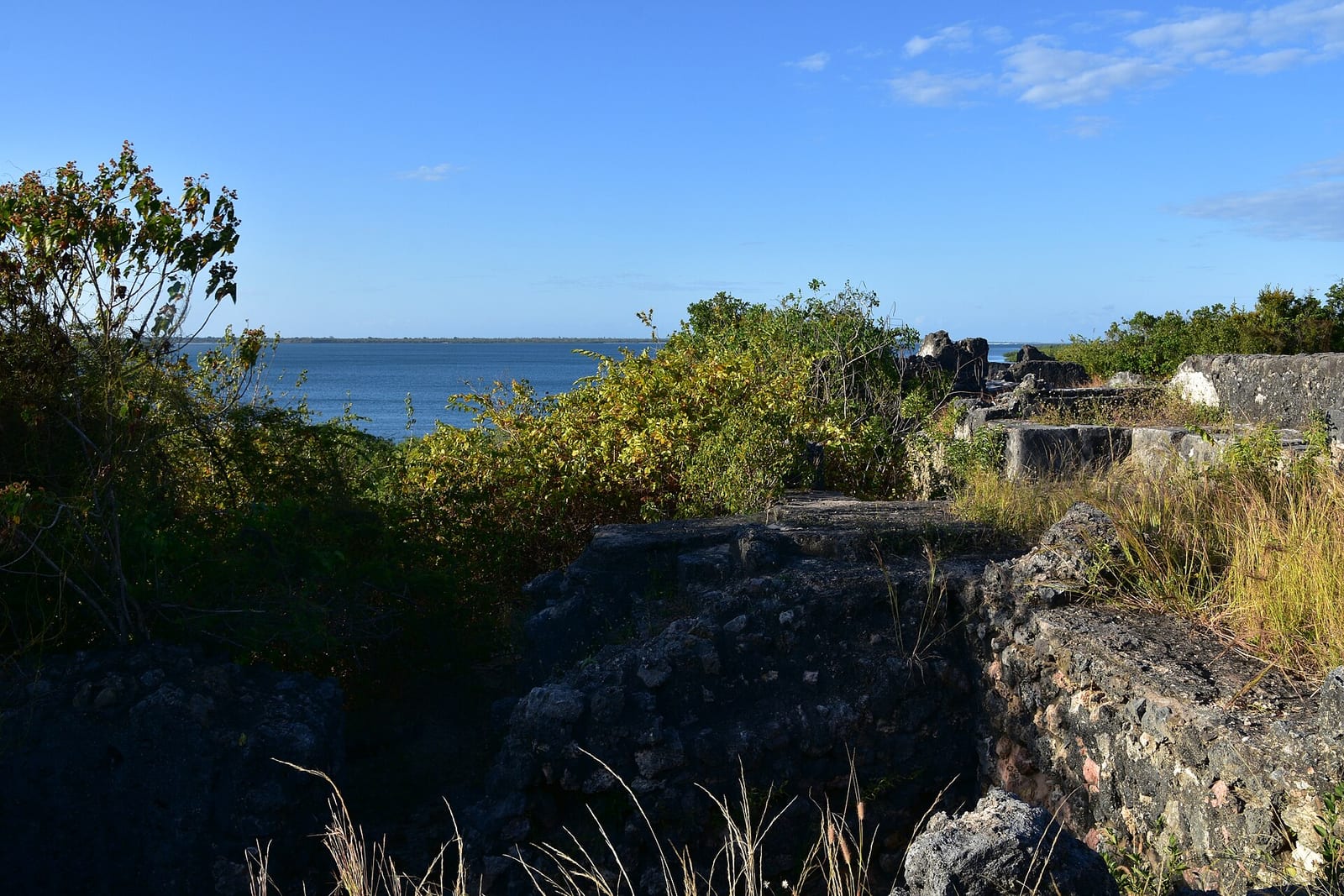
The surviving walls of Kilwa Kisiwani look toward the Indian Ocean. During the medieval period, this island settlement off present-day Tanzania was part of a trading world that reached Arabia, India and China. Its prosperity was not an accidental visit from distant merchants to an otherwise isolated coast. Kilwa belonged to a network of Swahili towns whose inhabitants built urban institutions, practiced Islam and negotiated exchange between the African interior and maritime routes.
Coral stone gave important buildings a distinctive material presence. Mosques, domestic spaces and the Husuni Kubwa palace complex reveal investment in architecture as well as commerce. Imported ceramics and locally minted coins offer other kinds of evidence. Together they allow historians to reconstruct connections that no single surviving chronicle can fully explain. A fragment of pottery may identify a route of exchange; a building’s plan can suggest how authority and everyday activity occupied the same settlement.

Keep reading in Yester
Coming soon to the App Store
Keep following the story

Sources
Image: Richard Mortel from Riyadh, Saudi Arabia