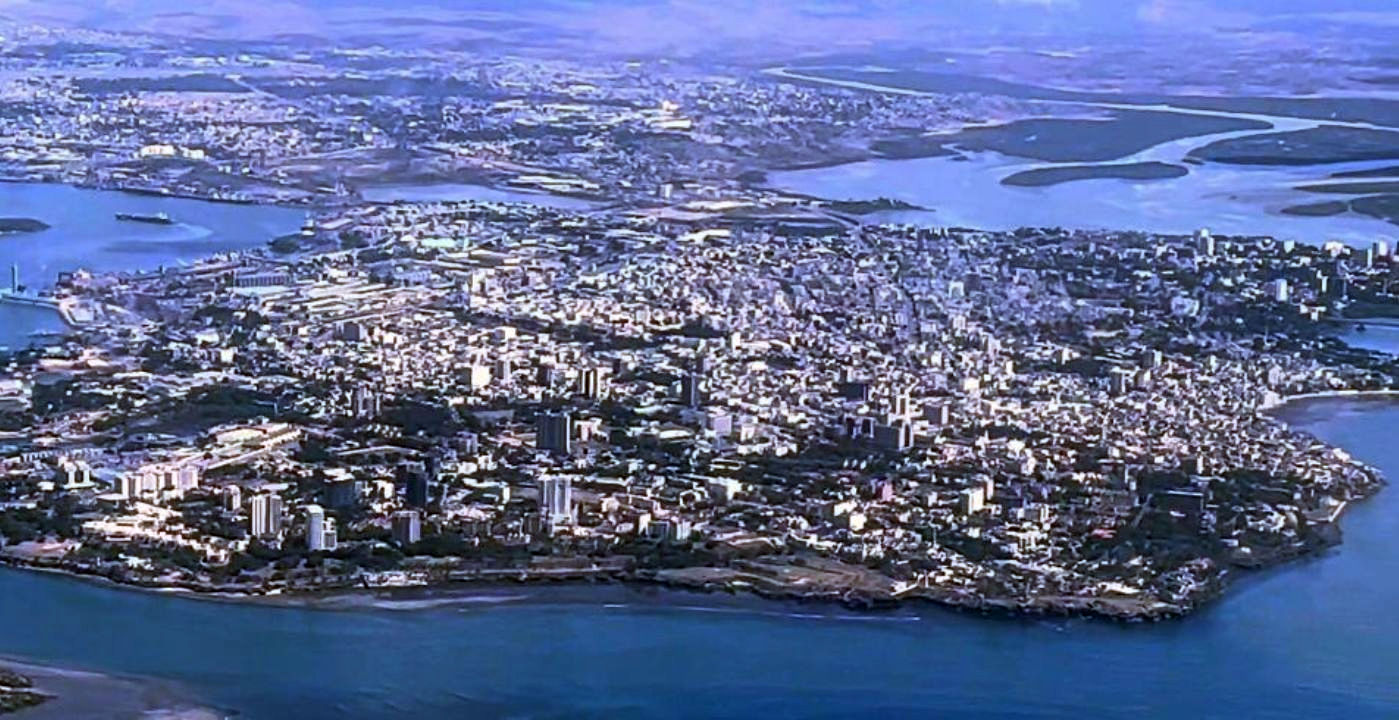
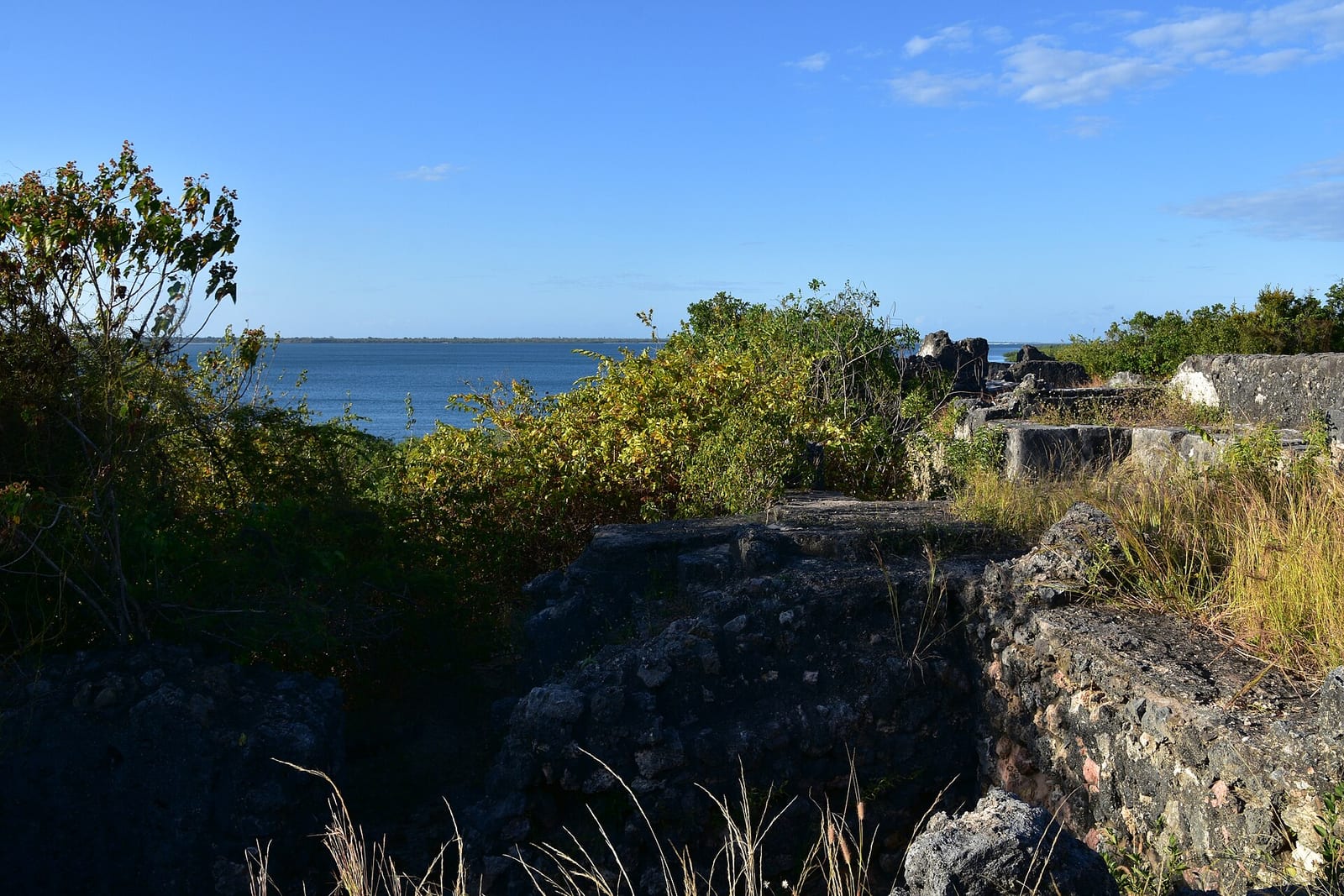
The Portuguese Build Fort Jesus at Mombasa
A coral-stone fortress guarded the Swahili coast and changed hands many times.
Situated on an island along the southeastern coast of Kenya, Mombasa possesses a natural deep-water harbour that made it a crucial maritime hub for over a millennium. Long before European vessels entered the western Indian Ocean, the settlement participated in extensive trade networks linking the African interior with Arabia, Persia, India, and China. Ivory, gold, millet, and coconuts formed the backbone of this commerce. While local traditions trace the origins of the city to earlier rulers such as Mwana Mkisi and Shehe Mvita, written accounts by medieval geographers like al-Idrisi in the twelfth century and Ibn Battuta in the fourteenth century confirmed that Mombasa was already an established Muslim mercantile centre boasting skilled wooden and stone architecture.
The regional balance of power shifted dramatically at the close of the fifteenth century. Vasco da Gama reached Mombasa in 1498 and encountered open hostility, initiating two centuries of intermittent conflict. Over the ensuing decades, Portuguese forces repeatedly attacked and plundered the coastal settlement, notably in 1500, under Francisco de Almeida in 1505, and again under Nuno da Cunha in 1528. Despite these assaults, the town struggled to preserve its independence, having earlier broken away from its political ties to Kilwa in 1502. Rival coastal settlements aligned themselves along competing factions, with neighbouring Malindi frequently maintaining an alliance with the Portuguese while Mombasa resisted external domination.

Keep reading in Yester
Coming soon to the App Store
Keep following the story
Sources
Image: Leo Hempstone