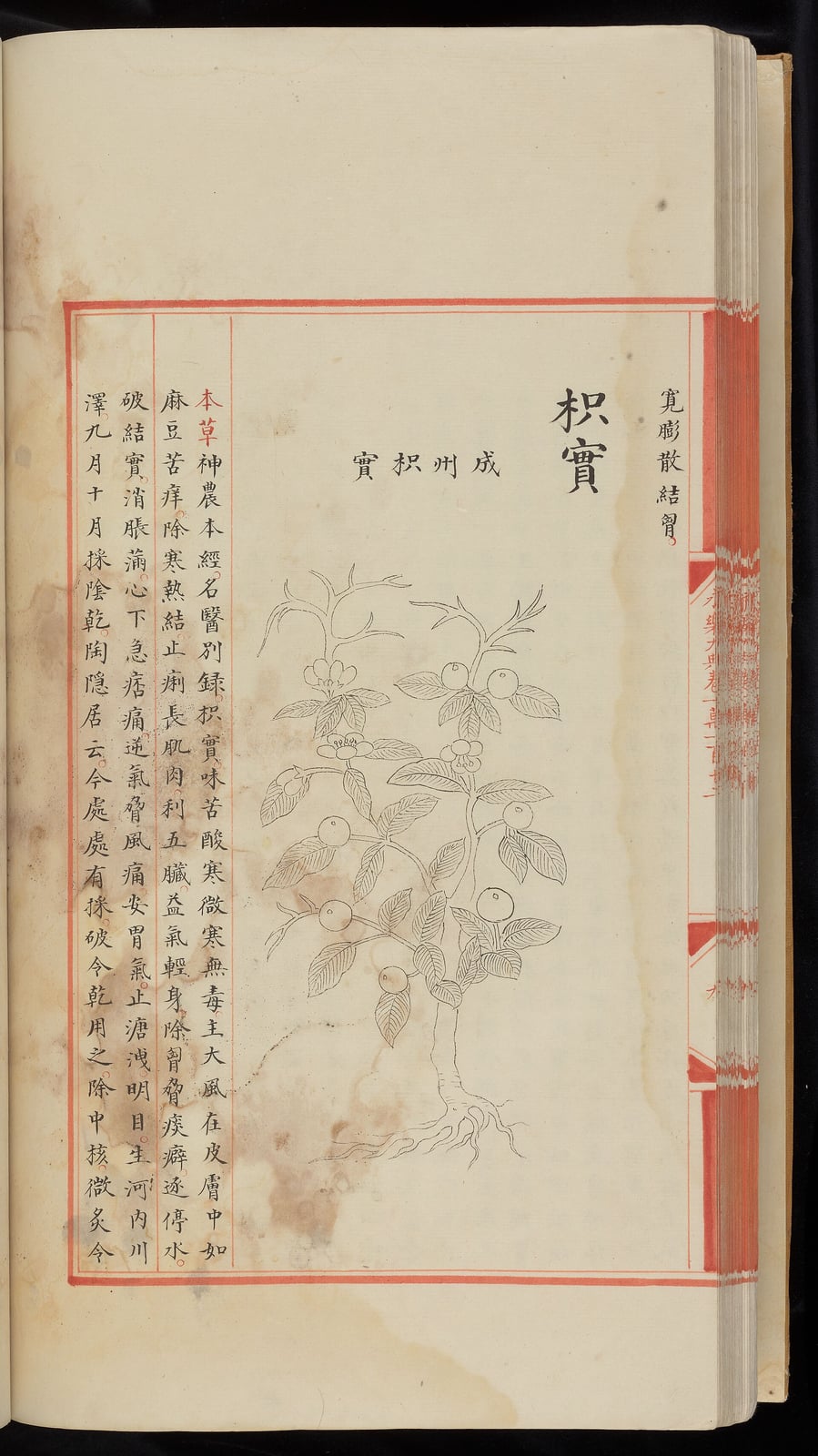
The Yongle Encyclopedia Gathers China’s Written Knowledge
Thousands of scholars compiled a vast reference work for the Ming court.
In 1403, the Yongle Emperor of the Ming dynasty ordered the creation of a massive reference work designed to assemble and preserve existing literary texts. The emperor had previously transformed the role of the Hanlin Academy, reassigning routine clerical chores to imperial officers so that elite scholars could concentrate on major intellectual endeavors. An initial compilation completed in 1404 by Xie Jin and a team of 147 scholars failed to satisfy the monarch, who demanded a much broader collection. To achieve this larger objective, the court assembled more than two thousand scholars in Nanjing, led by Xie Jin and the former Buddhist monk Yao Guangxiao.
Scholars traveled across the realm to locate rare volumes, transcribing literature into what became known as a leishu, or reference encyclopedia. Completed in 1408 at the Guozijian in Nanjing, the completed Yongle Encyclopedia encompassed 22,937 manuscript rolls bound across 11,095 volumes. Totaling roughly 370 million characters, it incorporated vast commentaries on the classics, historical accounts, philosophical treatises, arts, and sciences. The emperor contributed a detailed preface celebrating the preservation of these writings and bestowed his own reign title upon the monumental compilation.

Keep reading in Yester
Coming soon to the App Store
Keep following the story
Sources
- Library of Congress blog
- Prized encyclopedia (China Daily, quoting National Library of China)
- Xinhua 2026
- Chinanews 2018
- China Daily HK
- Rujia (Xinhua photo report)
- Library of Congress Completes Digitization of Yongle Encyclopedia, Largest Reference Work of Pre-Modern Era (Library of Congress)
- Yongle Encyclopedia
Image: Unknown author Unknown author