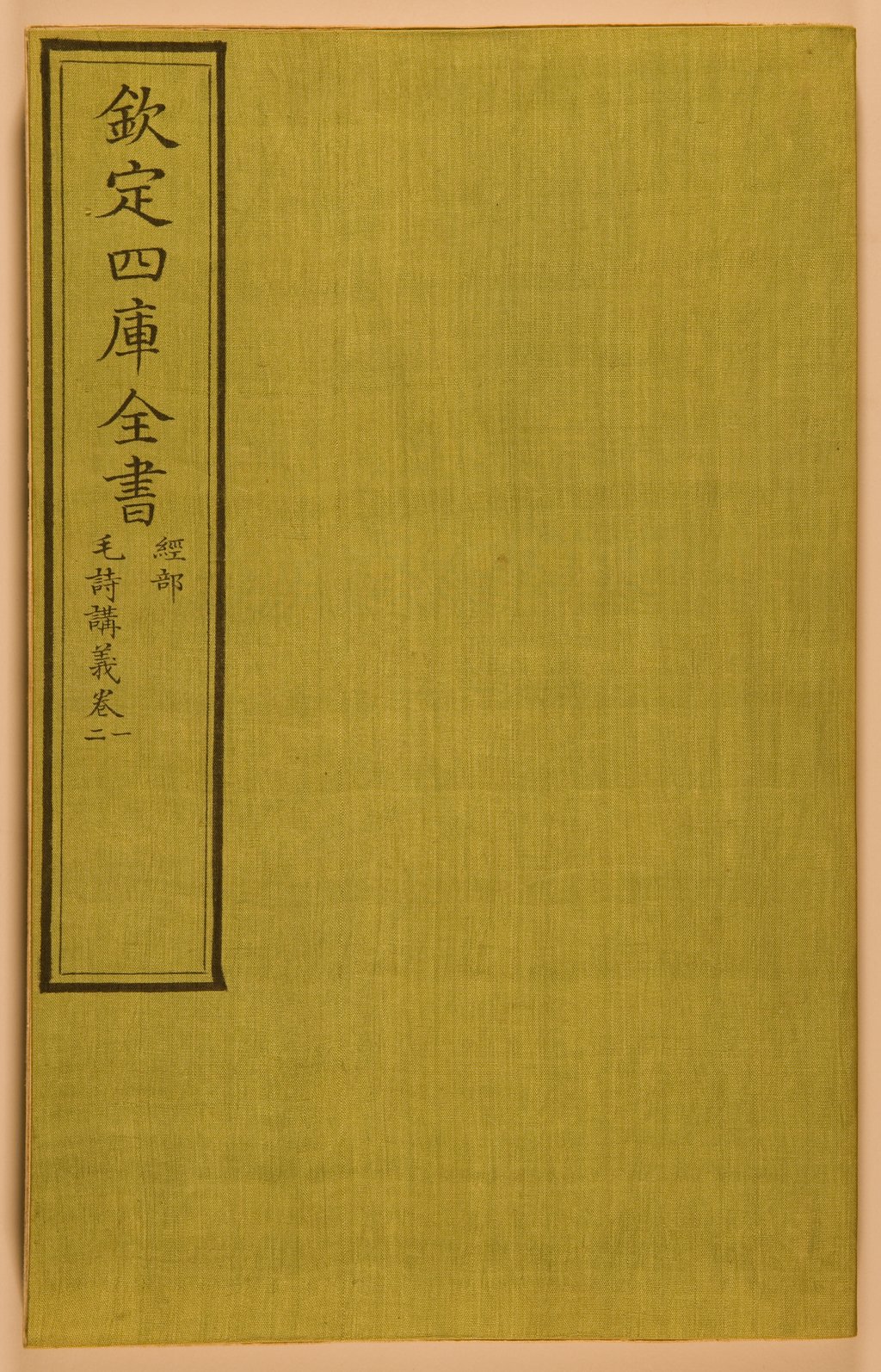
The Qianlong Emperor Completes the Siku Quanshu
Scholars copied tens of thousands of volumes and suppressed others.
In 1772, the Qianlong Emperor ordered an exhaustive survey of China's written heritage, initiating an imperial undertaking that would produce the largest manuscript anthology in Chinese history. Provincial officials were directed to collect rare writings across the empire, while private owners were urged to deliver their family collections to the capital. Many collectors initially hesitated because of the Qing dynasty's literary inquisition, fearing that dangerous or seditious passages in their libraries might provoke official retribution. To ease their reluctance, the emperor issued an edict late that year promising that submitted texts would be returned intact after examination and that contributors would face no punishment for anti-Qing sentiments discovered in their volumes. Within three months, thousands of books arrived in Beijing.
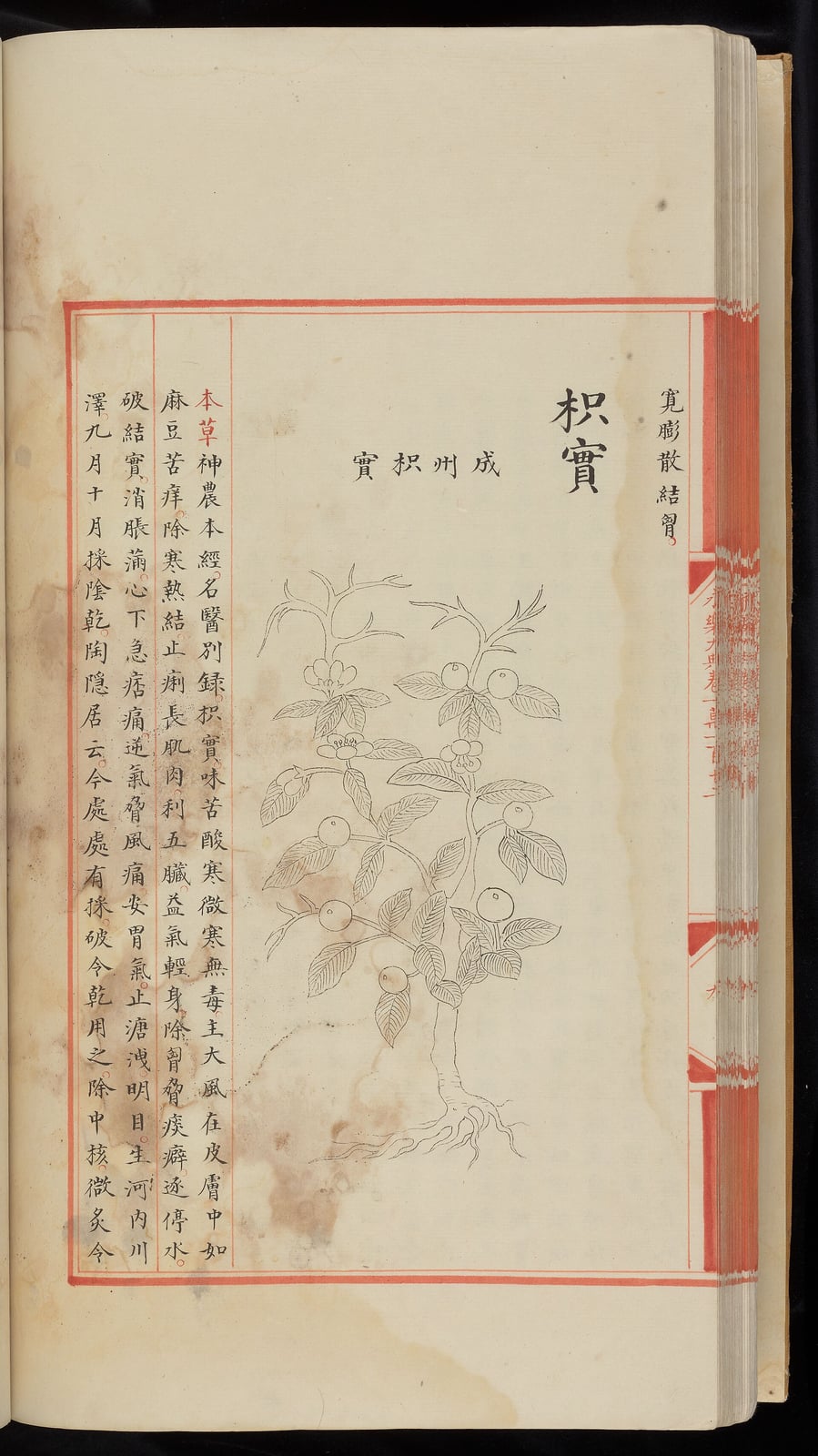
By the spring of 1773, a sprawling editorial bureau was operating in the capital to organize, evaluate, and transcribe the vast influx of materials. More than 360 scholars worked under chief editors Ji Yun and Lu Xixiong, supervising around 3,826 scribes who copied every roll by hand. Rather than receiving standard cash wages, these scribes were rewarded with imperial bureaucratic appointments after completing specified quotas of transcription. The compilers worked for a decade, assembling about 3,460 titles into 36,381 manuscript volumes containing about 2.3 million pages. Across its four classic repositories of Classics, Histories, Masters, and Letters, the resulting collection eclipsed the fifteenth-century manuscript enterprise sponsored by the yongle Emperor.

Keep reading in Yester
Coming soon to the App Store
Keep following the story
Sources
- The C. V. Starr East Asian Library Receives Monumental Gift (UC Berkeley Institute of East Asian Studies)
- Antiquarian Books: Treasures of the Wenyuan Pavilion (National Palace Museum, Taipei)
- Siku Quanshu (Visit Beijing, Beijing Municipal Culture and Tourism Bureau)
- Knowledge Suppression and Resilience under Censorship: Three-century Book Publications in China (NBER Working Paper 33258)
- Siku Quanshu
Image: Ji, Yun, 1724-1805