Yaa Asantewaa Helps Lead Resistance over the Golden Stool
A colonial demand triggered a struggle over Asante sovereignty, sacred authority and the right to govern.
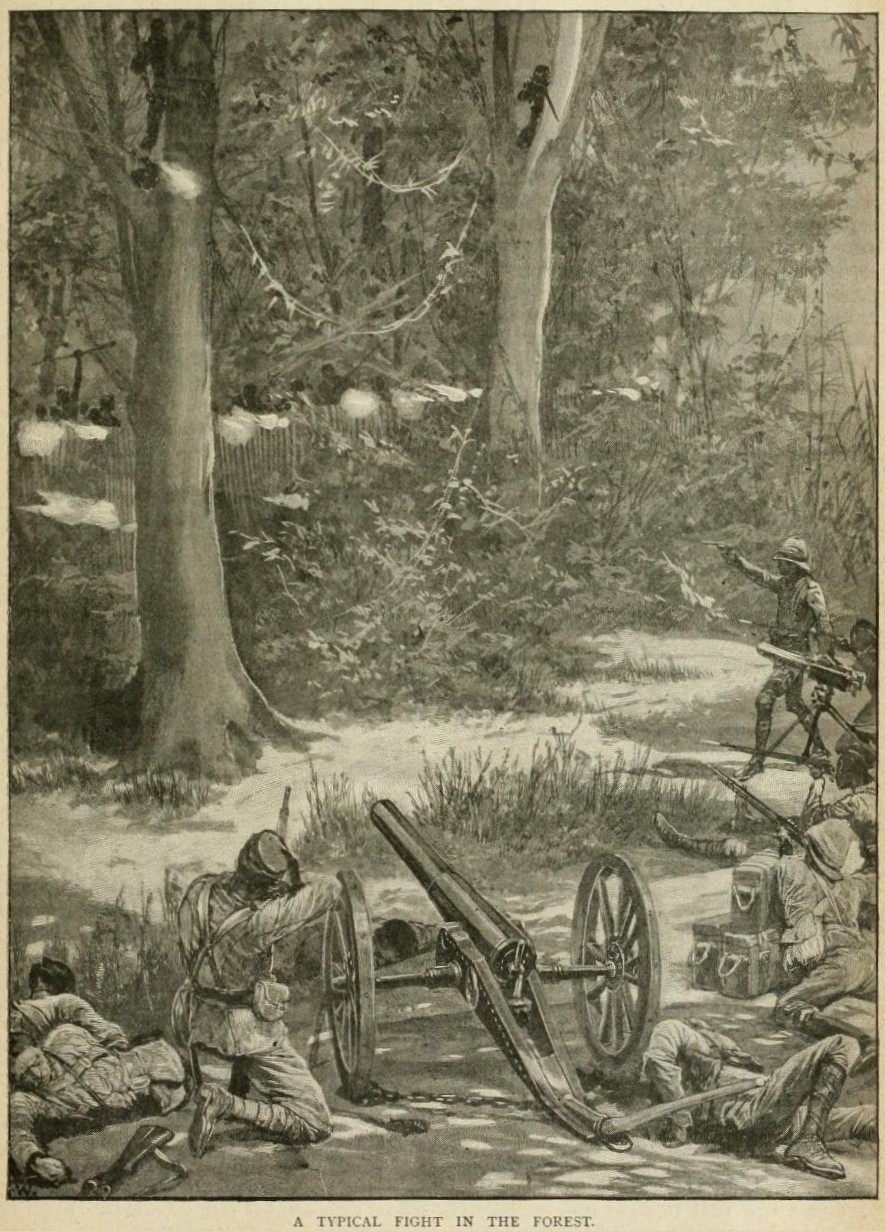
In March 1900, the British Governor of the Gold Coast, Sir Frederick Hodgson, arrived in Kumasi to address the assembled leaders of the Ashanti Empire. British forces had previously occupied Kumasi in 1896 and deported the traditional ruler, Asantehene Prempeh I, alongside key advisors. Speaking to the assembled chiefs, Hodgson declared that the exiled monarch would not return and asserted British authority. He demanded the payment of overdue war indemnities from an 1874 treaty and insisted upon receiving the Golden Stool, asking why it had not been presented for him to sit upon as the representative of the Paramount Power.
Hodgson's demand provoked immediate outrage because the Golden Stool represented far more than an ornate royal seat. Rather than functioning simply as a political throne, the stool was revered as the spiritual embodiment of the soul of the Ashanti nation. Requiring its surrender struck directly at the core of Ashanti identity, sacred authority, and sovereignty. While the gathering listened in silence to Hodgson's speech, the chiefs dispersed to begin military preparations. The Queen Mother of Ejisu, Yaa Asantewaa, stepped forward to challenge any hesitation among the leadership, calling upon women to take up arms if the men refused to fight.

Keep reading in Yester
Coming soon to the App Store
Keep following the story
Sources
- The Ashanti Campaign of 1900, by C. H. Armitage and A. F. Montanaro (Internet Archive, 1901 edition)
- Ashanti: The Golden Stool, HC Deb 17 May 1900 (UK Parliament Hansard)
- The Ashanti Expedition, HC Deb 19 March 1901 (UK Parliament Hansard)
- Asante gold regalia (British Museum)
- Asantewa, Nana Yaa (Oxford Research Encyclopedia of African History)
- War of the Golden Stool
Image: Unknown author