Moshoeshoe Builds the Basotho Nation on a Mountain
A leader gathered refugees into a new nation.
Born around 1786 in the northern reaches of modern Lesotho, the leader originally named Lepoqo began his life as the son of a minor village chief. The Bamokoteli people from whom he hailed were a small offshoot of the Bakoena clan, subsisting primarily on pastoral livestock. After undergoing traditional initiation rites in 1804, the young noble took the name Letlama and rapidly demonstrated a talent for conducting livestock raids against neighboring groups. Following a successful foray against an established regional chief, he adopted the praise name Moshoeshoe, an onomatopoeic name said to evoke the sound of a razor shaving, a boast about how cleanly he had carried off a rival's cattle. Upon succeeding his father as leader in 1820, he established his followers at Butha-Buthe Mountain, preparing to steer his community through an impending era of profound regional disruption.
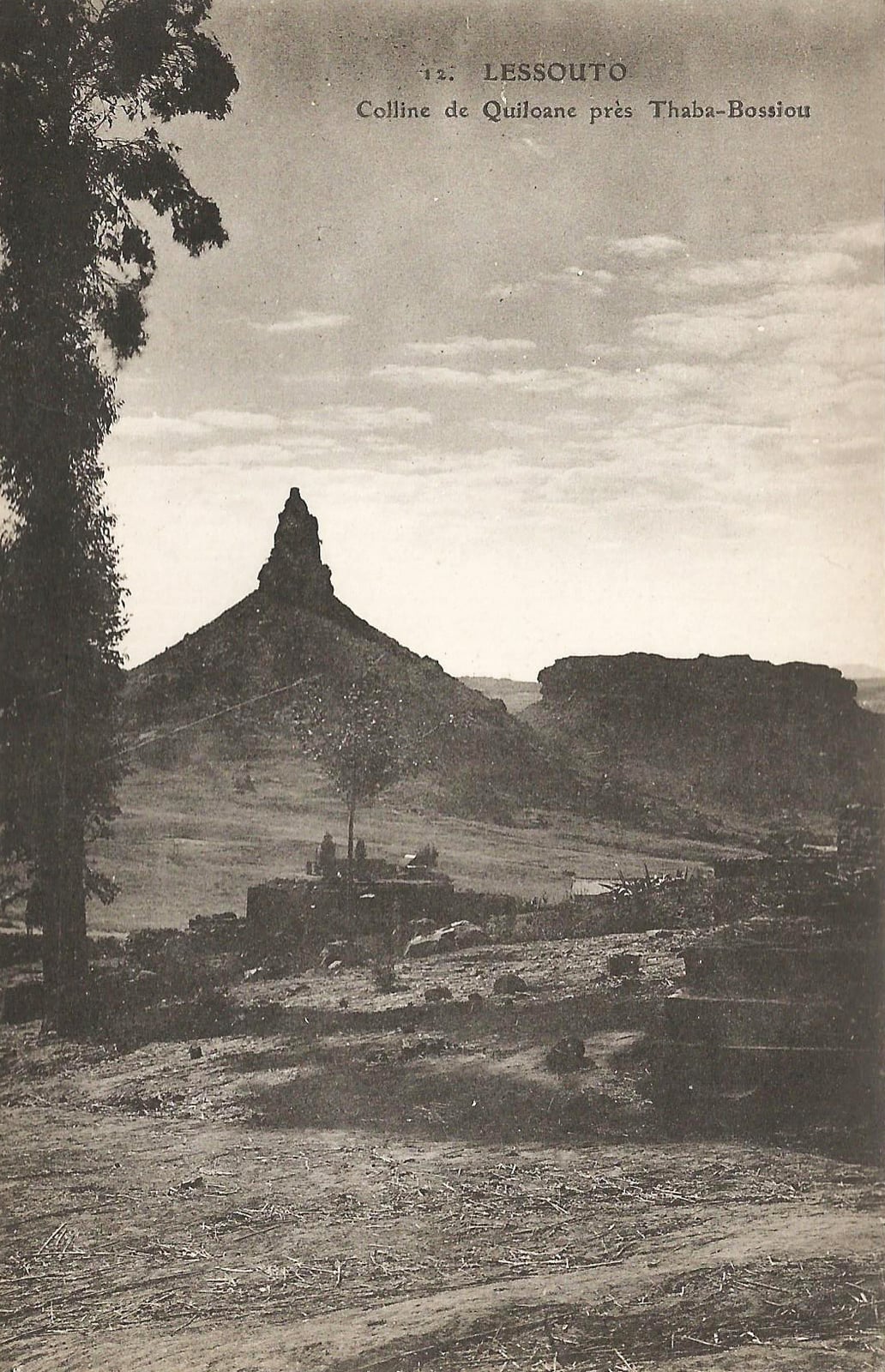
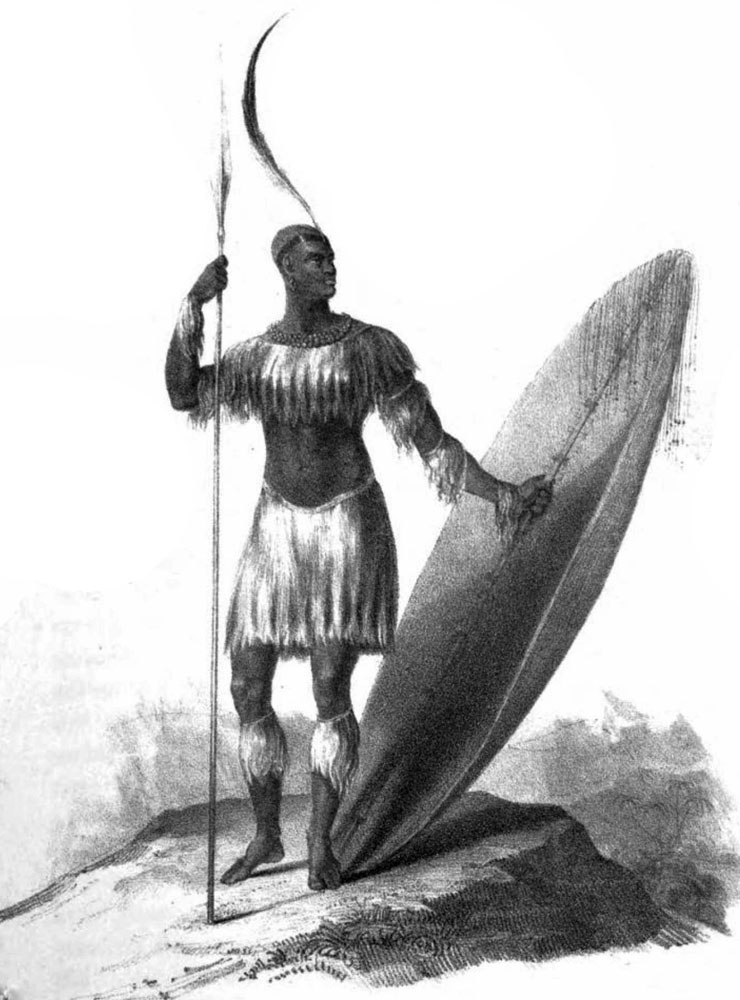
During the early nineteenth century, southern Africa experienced widespread upheaval known as the Difaqane. The territorial campaigns led by the Zulu monarch Shaka along the eastern coast forced numerous displaced groups inland across the mountains. Seeking security against aggressive Nguni incursions, Moshoeshoe relocated his followers in 1824 to the Qiloane plateau, which became known as Thaba Bosiu. The mountain stronghold, renowned for its sheer cliffs and natural defenses, functioned as an impassable fortress. Moshoeshoe welcomed scattered refugee populations, integrating disparate regional clans under his authority and laying the foundations of the Basotho nation.

Keep reading in Yester
Coming soon to the App Store
Keep following the story
Sources
Image: Unknown author Unknown author