China’s First Buddhist Temple Rises at Luoyang
Tradition says two Indian monks arrived with scriptures carried on a white horse.
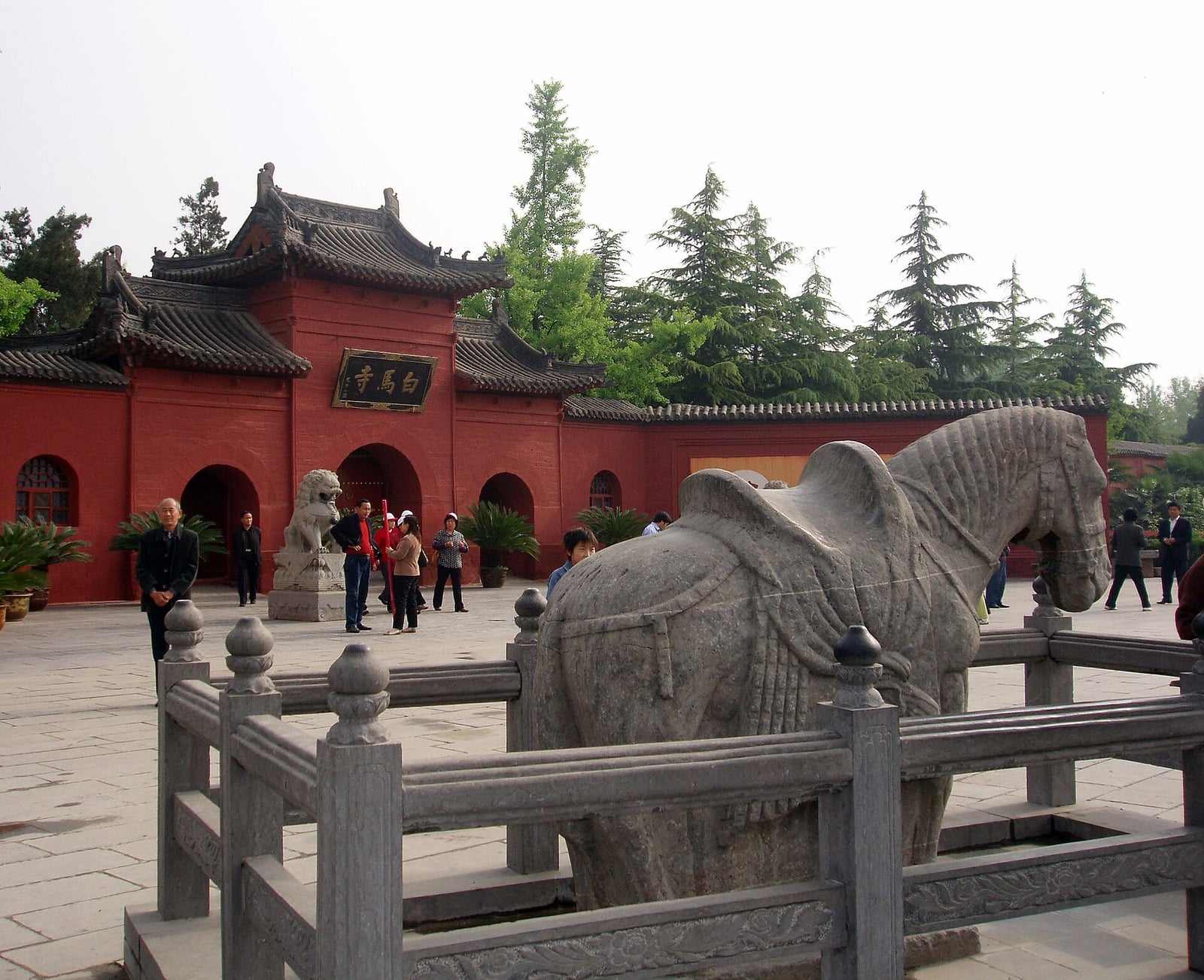
Just outside the ancient Eastern Han capital of Luoyang, in modern Henan Province, stands the White Horse Temple. Revered by tradition as the earliest Buddhist sanctuary established in China, the site has long been remembered as the cradle of Chinese Buddhism. Legend places its origins in 68 CE under the patronage of Emperor Ming of the Eastern Han dynasty, following an imperial dream of a golden figure that inspired an expedition westward in search of sacred teachings.
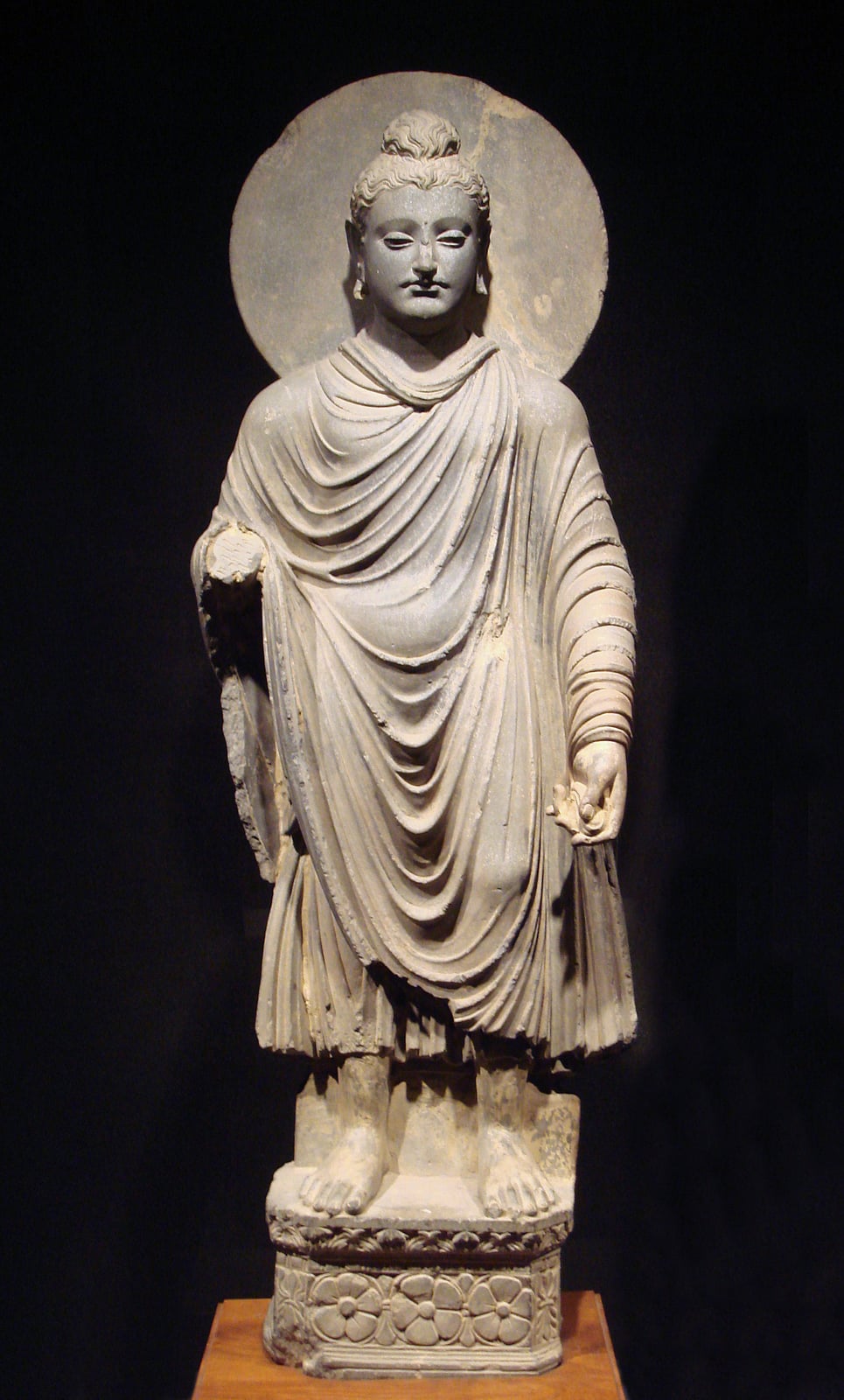
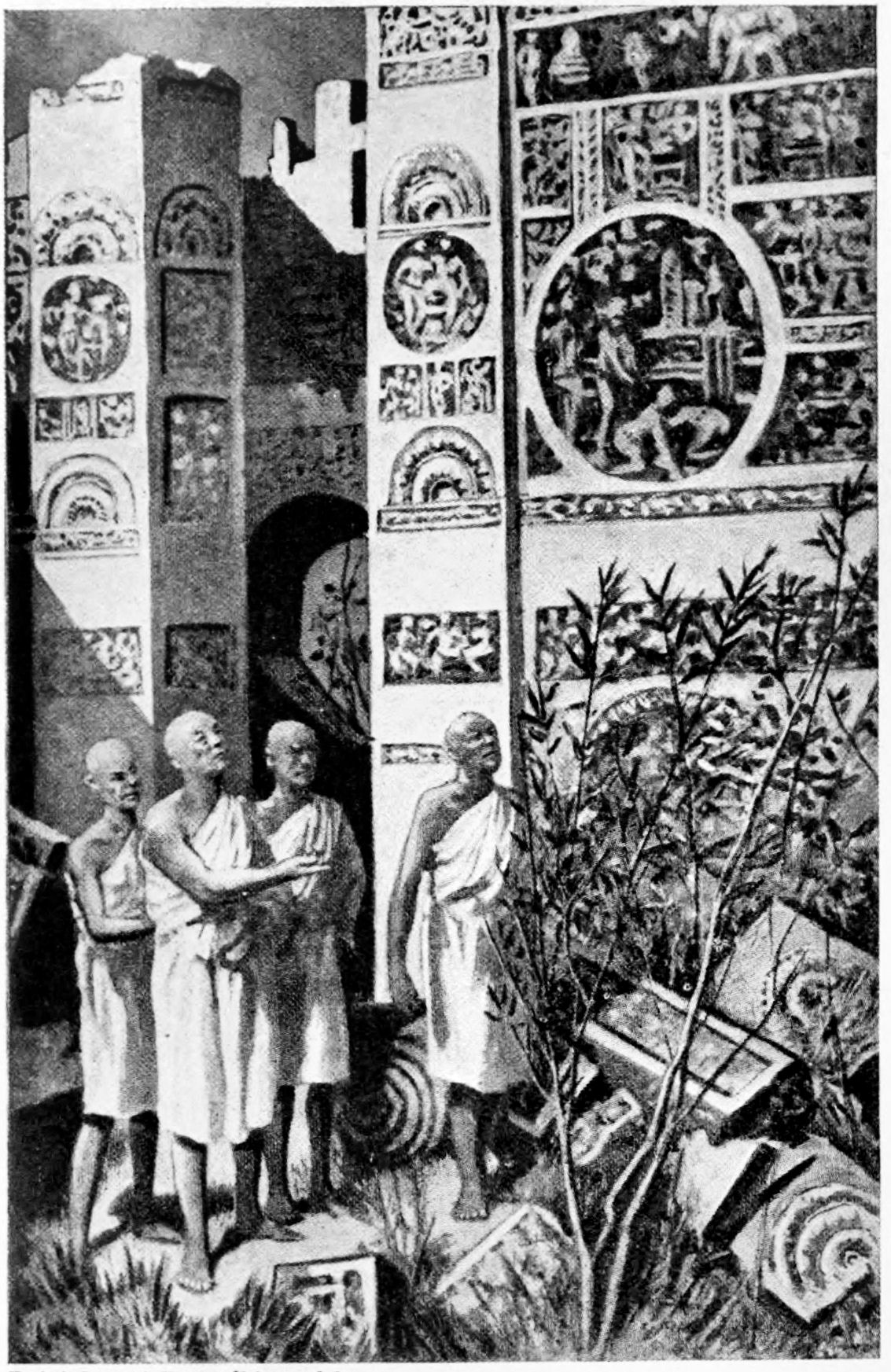
According to traditional chronicles, imperial emissaries traveled through Central Asia and met two Indian Buddhist masters, identified in various accounts as Kasyapa Matanga and Dharmaratna, in regions connected to the broader reaches of Gandhara and northern India. The monks were persuaded to travel eastward to the imperial court, bearing relics, images, and scriptures carried upon white horses. Upon their arrival, Emperor Ming supposedly established a residence for them outside Luoyang, where they produced the Sutra of Forty-two Chapters, widely celebrated as the first Buddhist scripture translated into the Chinese language.

Keep reading in Yester
Coming soon to the App Store
Keep following the story
Sources
Image: MyName ( Fanghong )