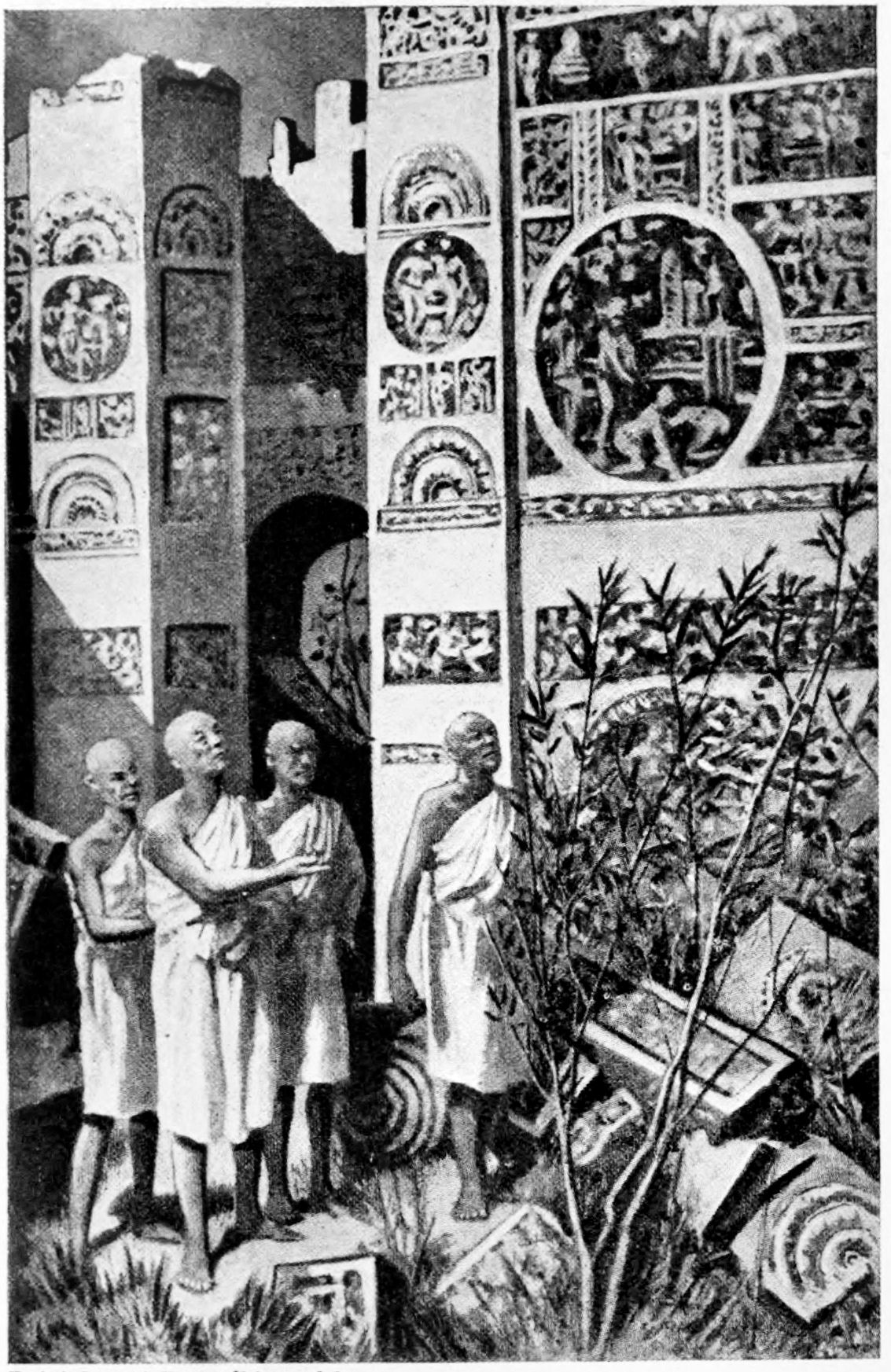
Faxian Walks from China to India for Buddhist Texts
The monk crossed deserts and mountains, then sailed home by way of Sri Lanka, landing back in China in 412.
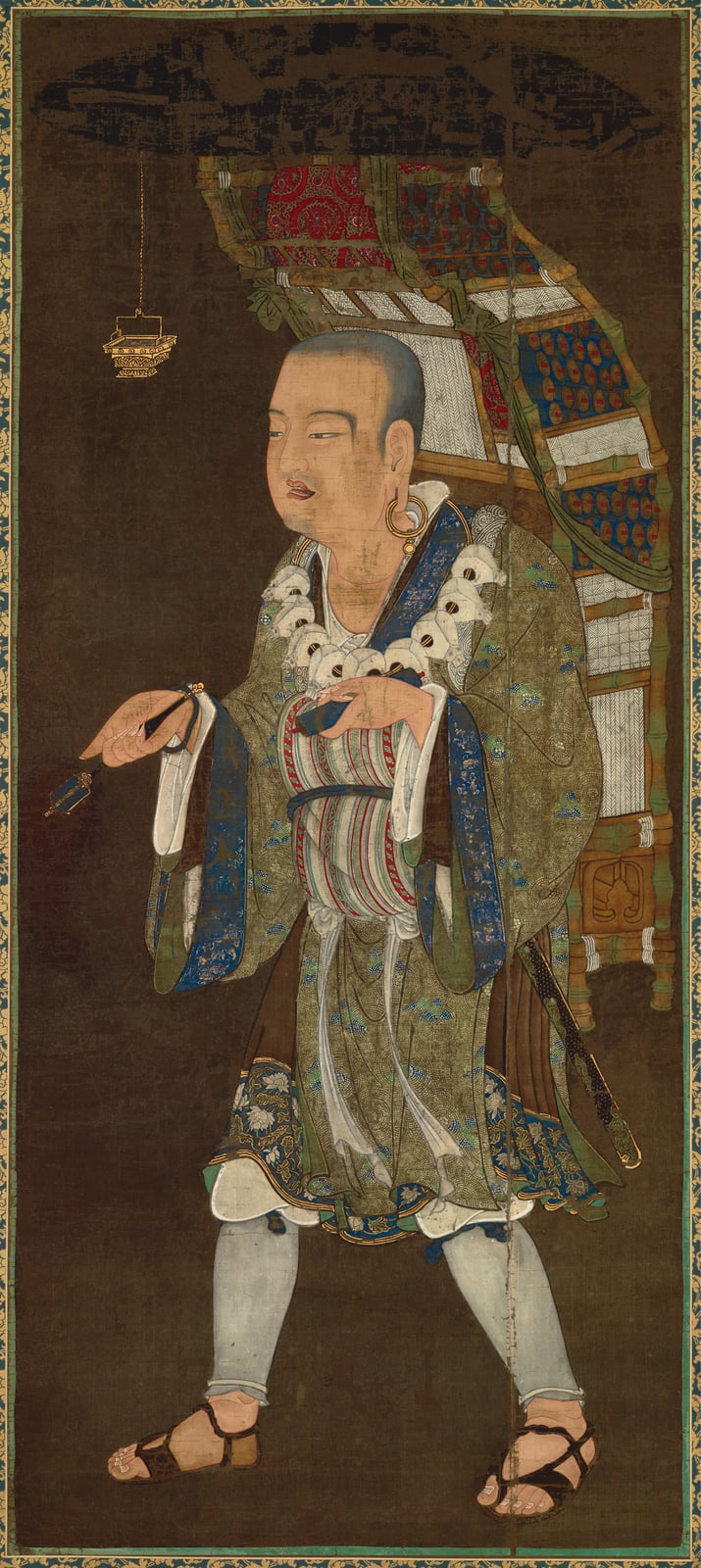
In the year 399, a Buddhist monk named Faxian departed the city of Chang'an on an ambitious expedition toward the heartlands of India. Born under the surname Gong in Shanxi during the fourth century, he had entered the monastic community at a very young age. By the time he reached approximately sixty years of age, Chinese monastic communities were contending with incomplete, fragmented translations of Buddhist monastic discipline. Determined to locate authoritative copies of the Vinaya and other canonical texts directly from their source, Faxian set out overland alongside four companions, soon joining five other pilgrims as they advanced westward across Central Asia.
The journey took the travelers across difficult desert terrain and high mountain routes, through prominent Buddhist hubs such as Khotan. Faxian noted the reverence shown to the monastic order in these Central Asian cities, where scholars preserved Indian manuscripts and recited scriptures in their original idioms. Proceeding through rugged passes into the northwestern Indian subcontinent, Faxian visited Taxila in Gandhara, where he observed an active monastic presence operating within a broader population that adhered to other regional traditions.

Keep reading in Yester
Coming soon to the App Store
Keep following the story

Sources
Image: Allan Stewart