Building a Place Where Countries Could Keep Talking
With the Second World War still unfinished, delegates negotiated a new international organization. Its charter joined ambitious promises to a compromise about power.
The delegates who gathered in San Francisco in April 1945 were designing an institution while the war that justified it was still being fought. Germany surrendered during the conference, but the war in Asia continued. A new international organization could not be built on the reassuring fiction that catastrophe was safely behind everyone. Its purpose was to make cooperation durable enough to survive the disagreements that would remain when the wartime alliance no longer had the same common enemy.
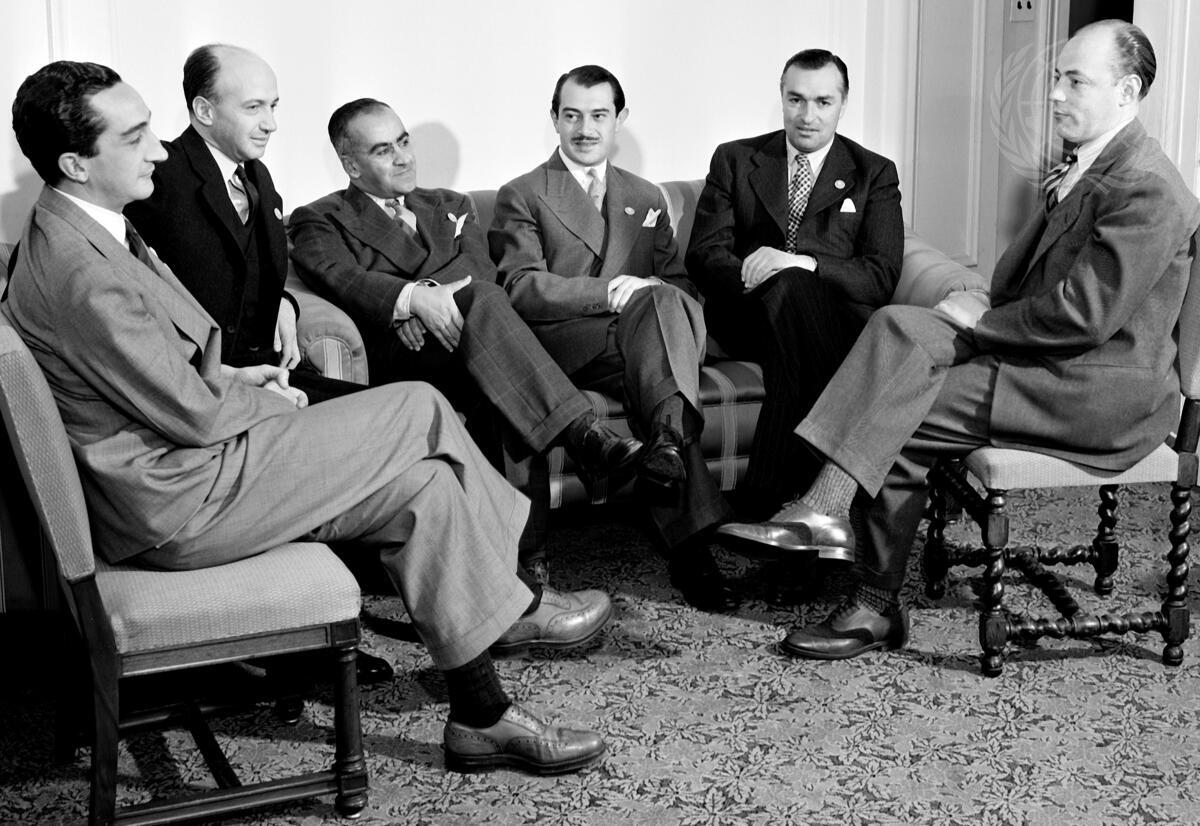
Representatives of fifty countries negotiated the Charter of the United Nations. Earlier conferences and proposals had supplied a framework, but the San Francisco meeting had to turn plans into an agreed document. Smaller states were not merely spectators at a ceremony arranged by great powers. Delegates debated language, responsibilities and institutional arrangements. The Ecuadorian delegation in the accompanying photograph is a reminder that the conference involved many national perspectives, not just the leaders most familiar from wartime photographs.

Keep reading in Yester
Coming soon to the App Store
Keep following the story
Sources
Image: ADESP