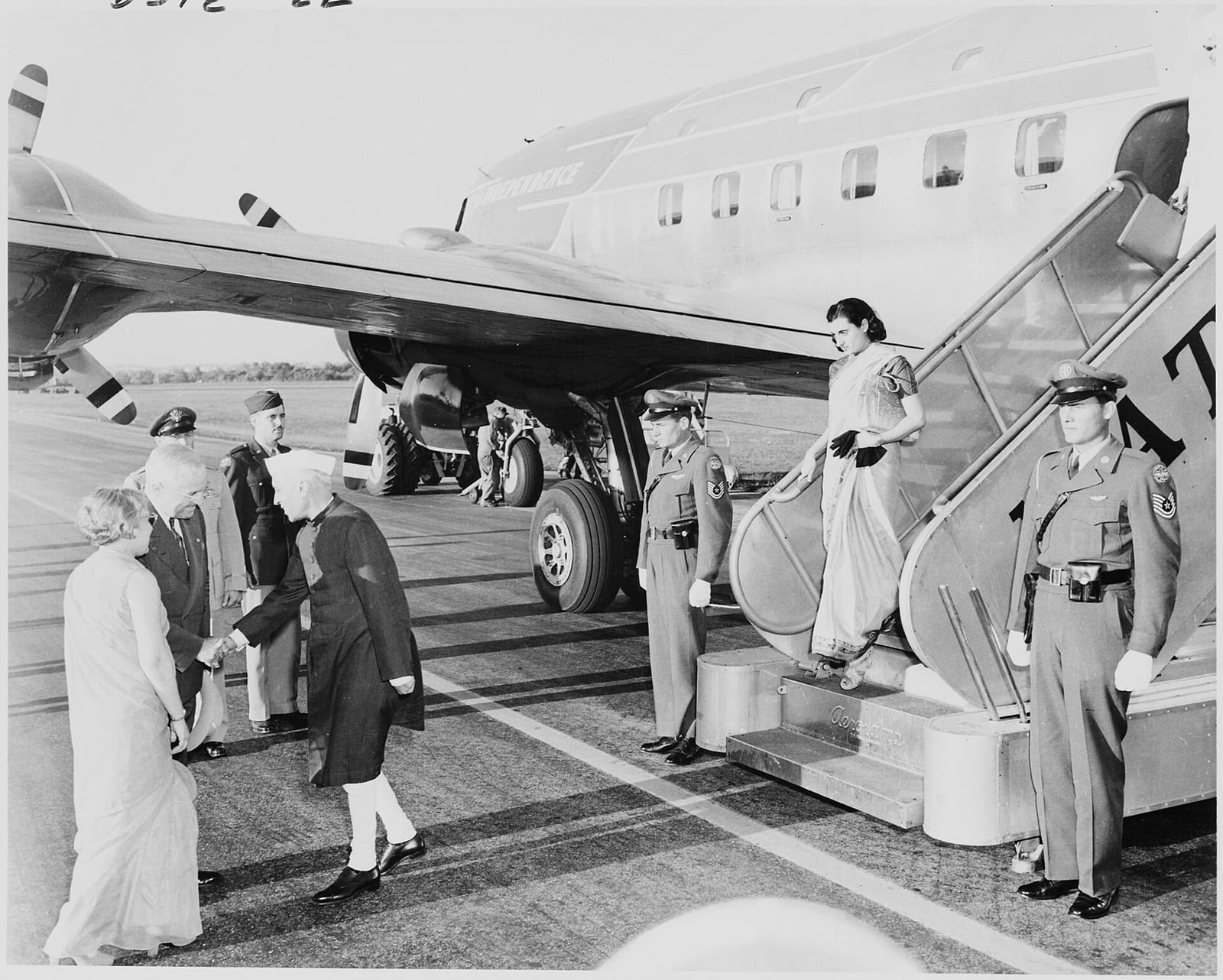
Independence Arrived with a Border
British rule ended with the creation of India and Pakistan. Celebrations of independence unfolded alongside displacement and violence that changed millions of lives.
In August 1947, the end of British rule brought independence to India and Pakistan. It also placed a new border through regions where communities, farms, roads and families had long existed together. Celebration and catastrophe were not separate chapters neatly following one another. They unfolded at the same time. For millions, becoming part of a new nation meant uncertainty about whether home would remain safe, which state they belonged to and whether they could return if they left.
The outcome followed decades of anti-colonial organizing and increasingly difficult negotiations over the political future. Campaigns such as the Salt March had challenged British authority, but agreement that colonial rule should end did not produce agreement about the state that would replace it. The Indian National Congress and Muhammad Ali Jinnah’s Muslim League advanced conflicting claims about representation and security. British decisions about withdrawal and its timetable added urgency to arguments that had not been resolved.

Keep reading in Yester
Coming soon to the App Store
Keep following the story
Sources
Image: Abbie Rowe