The Continent Set Aside from the Cold War
Twelve governments agreed that Antarctica should be used for peaceful purposes. They did not settle its territorial disputes, but found a way for science to continue across them.
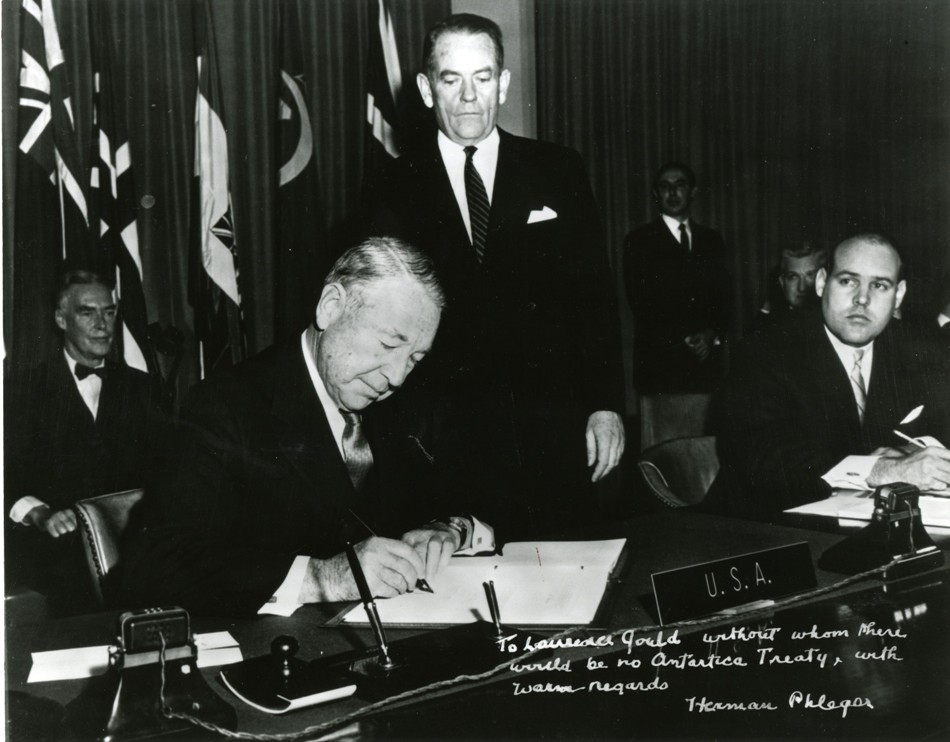
The governments negotiating over Antarctica did not agree about who owned it. That was precisely why their agreement mattered. On December 1, 1959, representatives of twelve countries signed a treaty in Washington that allowed them to cooperate without first settling their competing positions on sovereignty. Rather than solve every dispute, they established rules under which those disputes would not have to dominate everything people did on the continent.
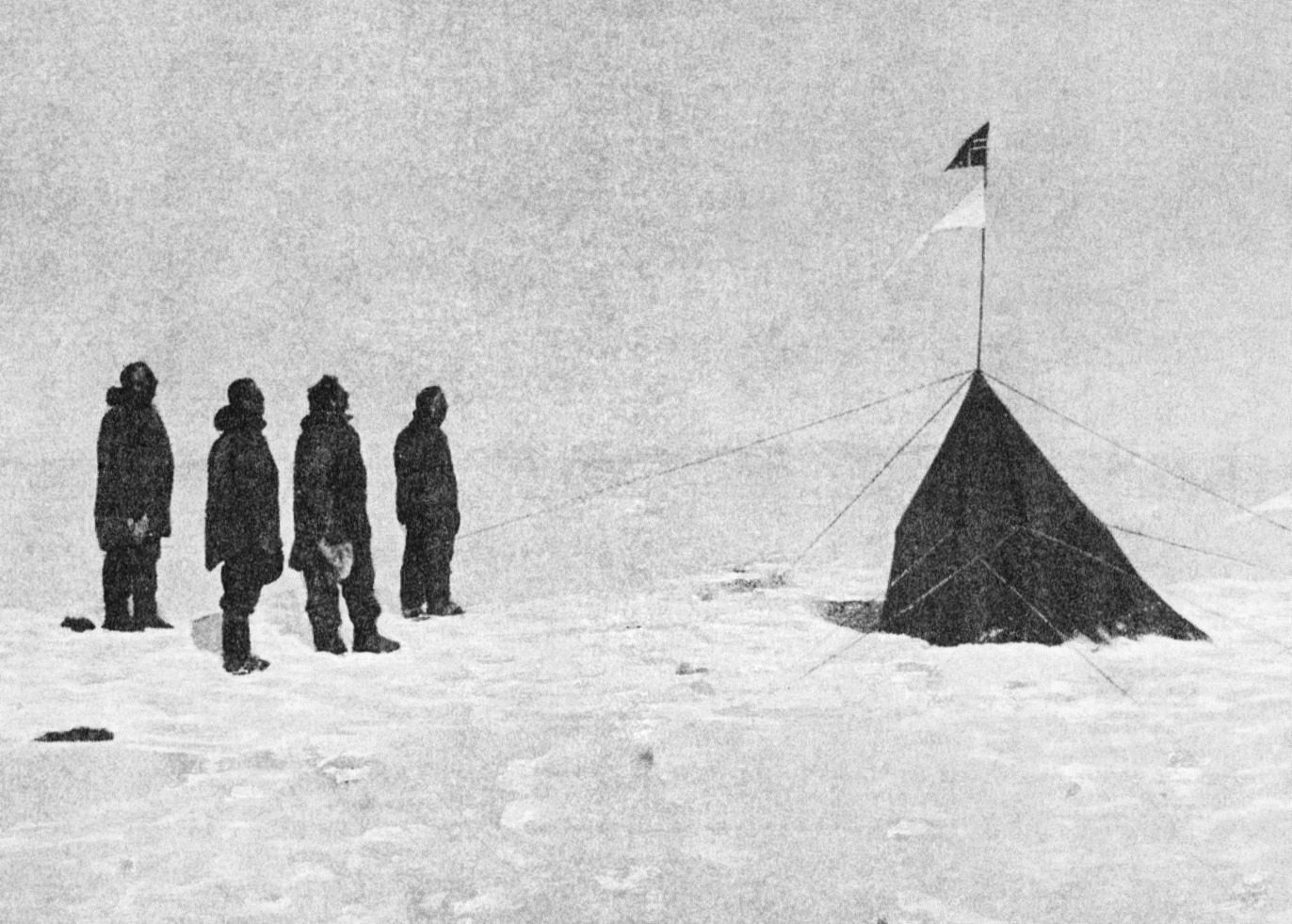
Antarctic exploration had long carried national ambitions alongside scientific questions. Amundsen’s expedition had planted a Norwegian flag at the South Pole, but the later political map was not a simple division based on who arrived where first. Territorial claims overlapped, and other governments did not accept them. By the Cold War, rivalry could attach to the placement of stations and the significance of a continued presence. A continent difficult to reach was not therefore beyond international politics.

Keep reading in Yester
Coming soon to the App Store
Keep following the story

Sources
Image: Herman Phleger