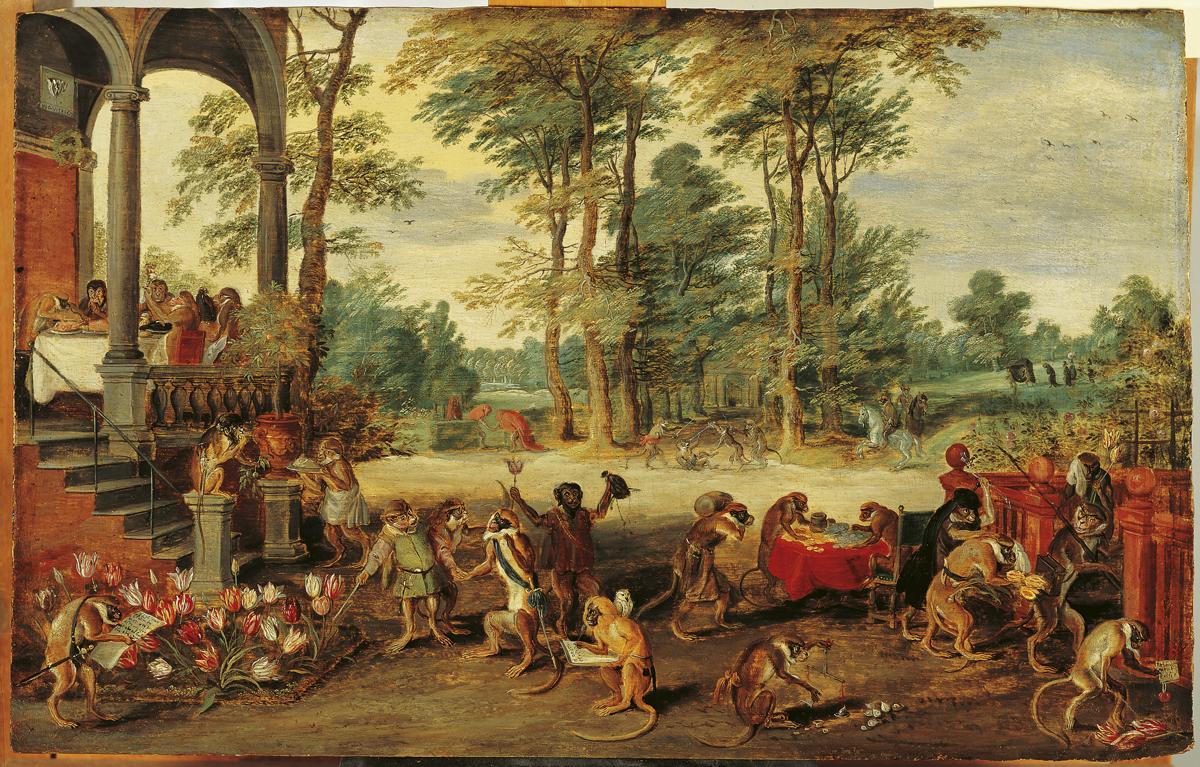
Tulip Prices Collapse in the Dutch Republic
A trade in rare bulbs became a famous, and often exaggerated, story of speculation.
During the opening days of February 1637, a tavern gathering in Haarlem witnessed an unprecedented failure when an auctioneer repeatedly lowered asking prices for tulip contracts without finding a single buyer. Within a week, the market for speculative flower agreements across the Dutch Republic collapsed. The trade had expanded dramatically over the preceding three years, transforming an exotic garden luxury into an active financial instrument. Rather than handling physical roots, buyers and sellers had increasingly traded paper promises through winter gatherings known as colleges, exchanging agreements for bulbs still sleeping beneath frozen soil.
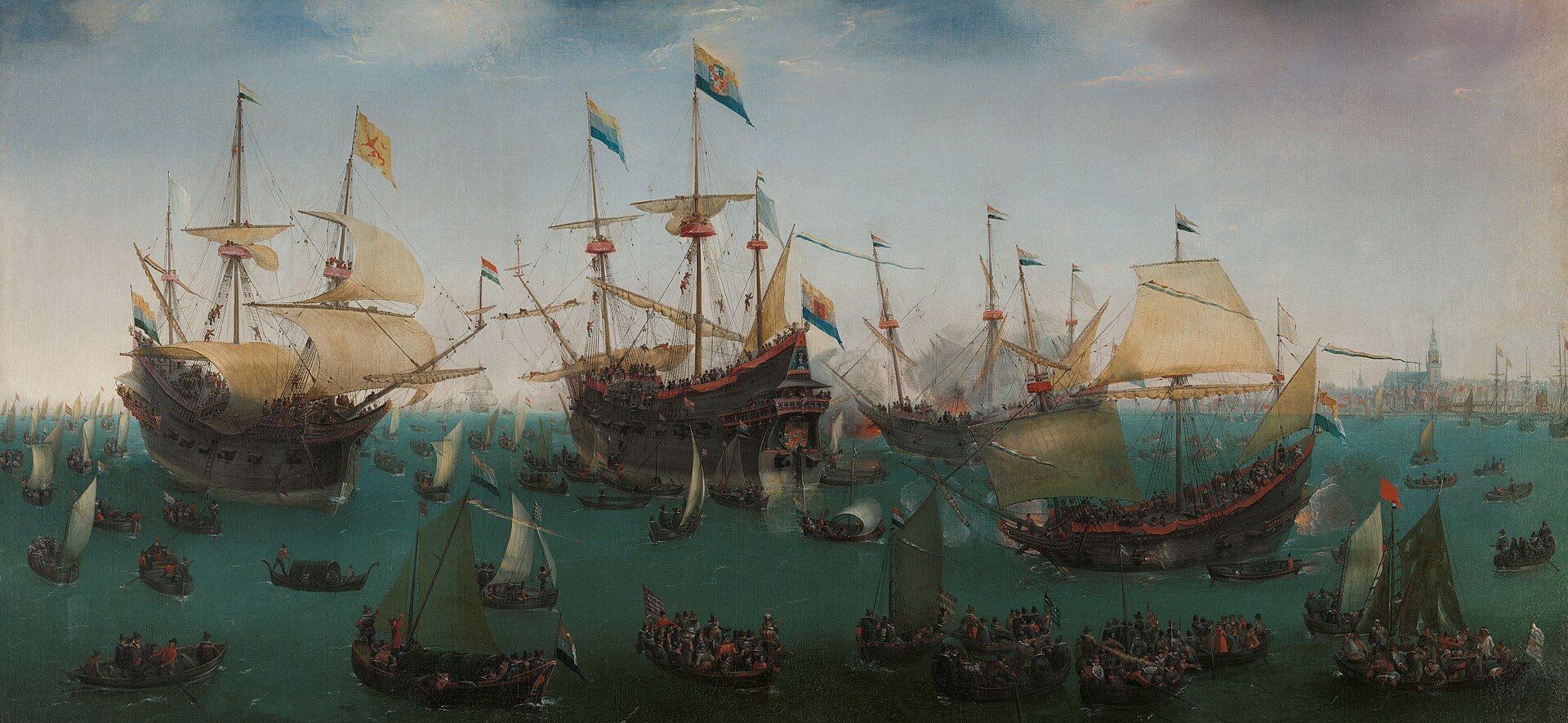
The tulip had arrived in western Europe in the mid-sixteenth century from the Ottoman Empire, but its Dutch cultivation began in earnest around 1593, when botanist Carolus Clusius planted a collection at Leiden University. Netherlanders soon prized the blossoms for their vivid, saturated colours, especially the striking flame patterns that marked the rarest specimens. These dramatic streaks, seen in celebrated varieties like the Semper Augustus, were caused by what is now recognized as tulip breaking virus. Because the infection limited the bulb's ability to produce offspring, rare varieties remained scarce and became prominent status symbols during the Republic's commercial ascent, which also saw the emergence of great maritime ventures like the Dutch East India Company.

Keep reading in Yester
Coming soon to the App Store
Keep following the story
Sources
Image: Jan Brueghel the Younger