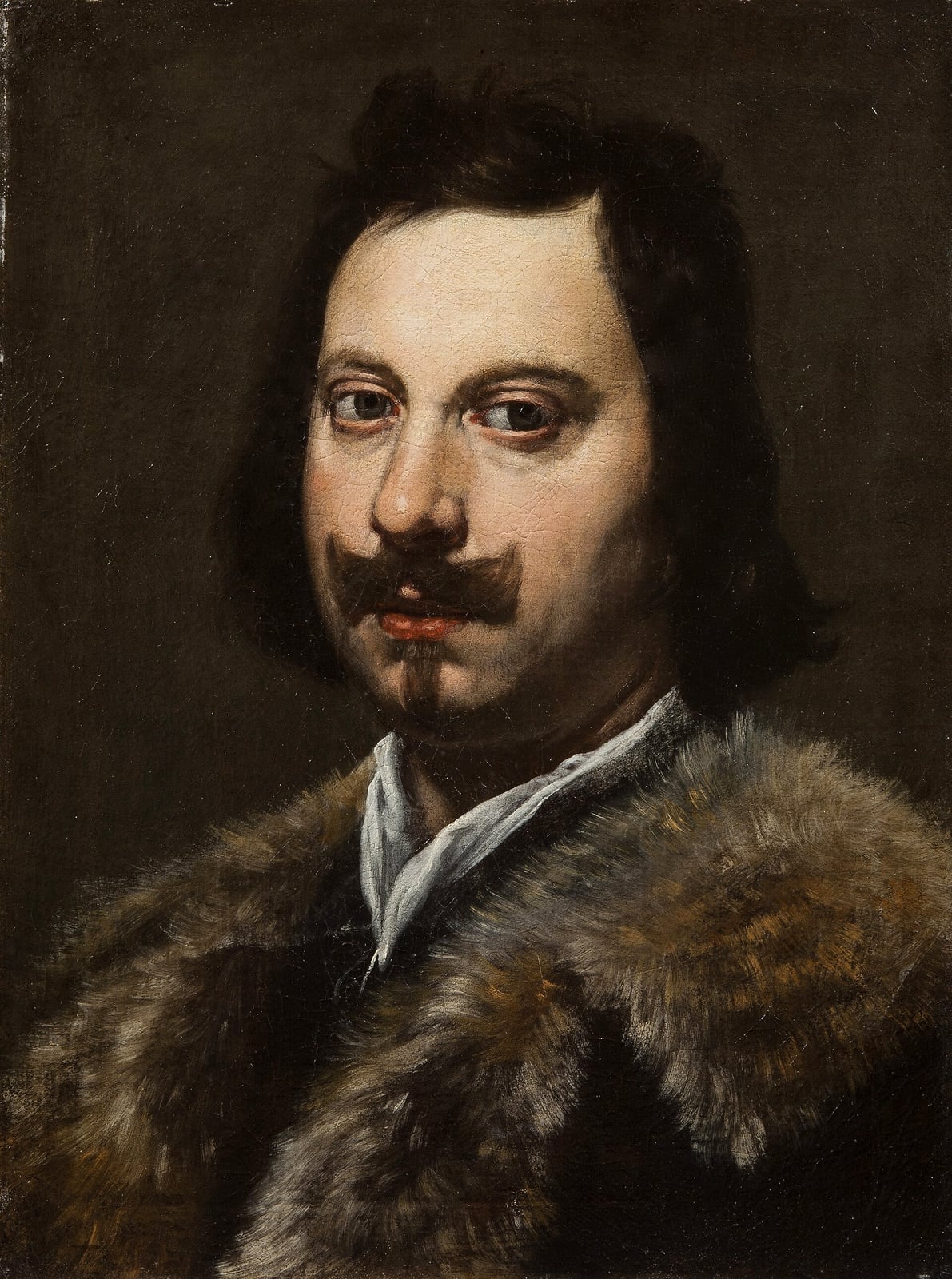
Torricelli Invents the Mercury Barometer
A tube of mercury showed that the air above us has weight.
In 1643 in Florence, Evangelista Torricelli devised an experiment that overturned centuries of accepted natural philosophy regarding suction and the behavior of fluids. Earlier mechanical inquiries, including those documented in the late writings of Galileo, had grappled with an unexplained operational limit of suction pumps. Engineers and scholars recognized that these pumps could not draw water upward from a well higher than ten meters, or thirty-four feet. The prevailing explanation attributed the upward movement of water to an attractive force exerted by a vacuum, but that theory offered no compelling mechanism for why this lifting effect ceased entirely at a fixed height.
Torricelli approached the issue by proposing a fundamental change in perspective. Instead of treating nature as possessing an intrinsic aversion to void spaces, he suggested that human beings live submerged at the base of an extensive sea of air. Under this model, the surrounding atmosphere exerts a tangible mechanical weight. At sea level, this downward atmospheric force equals the weight of a column of water approximately ten meters tall. When an enclosed pump piston creates an empty space above a liquid column, the air ceases to push inside the pipe while continuing to press upon the water outside, driving the fluid upward until the two opposing weights achieve mechanical equilibrium.

Keep reading in Yester
Coming soon to the App Store
Keep following the story
Sources
Image: Lorenzo Lippi