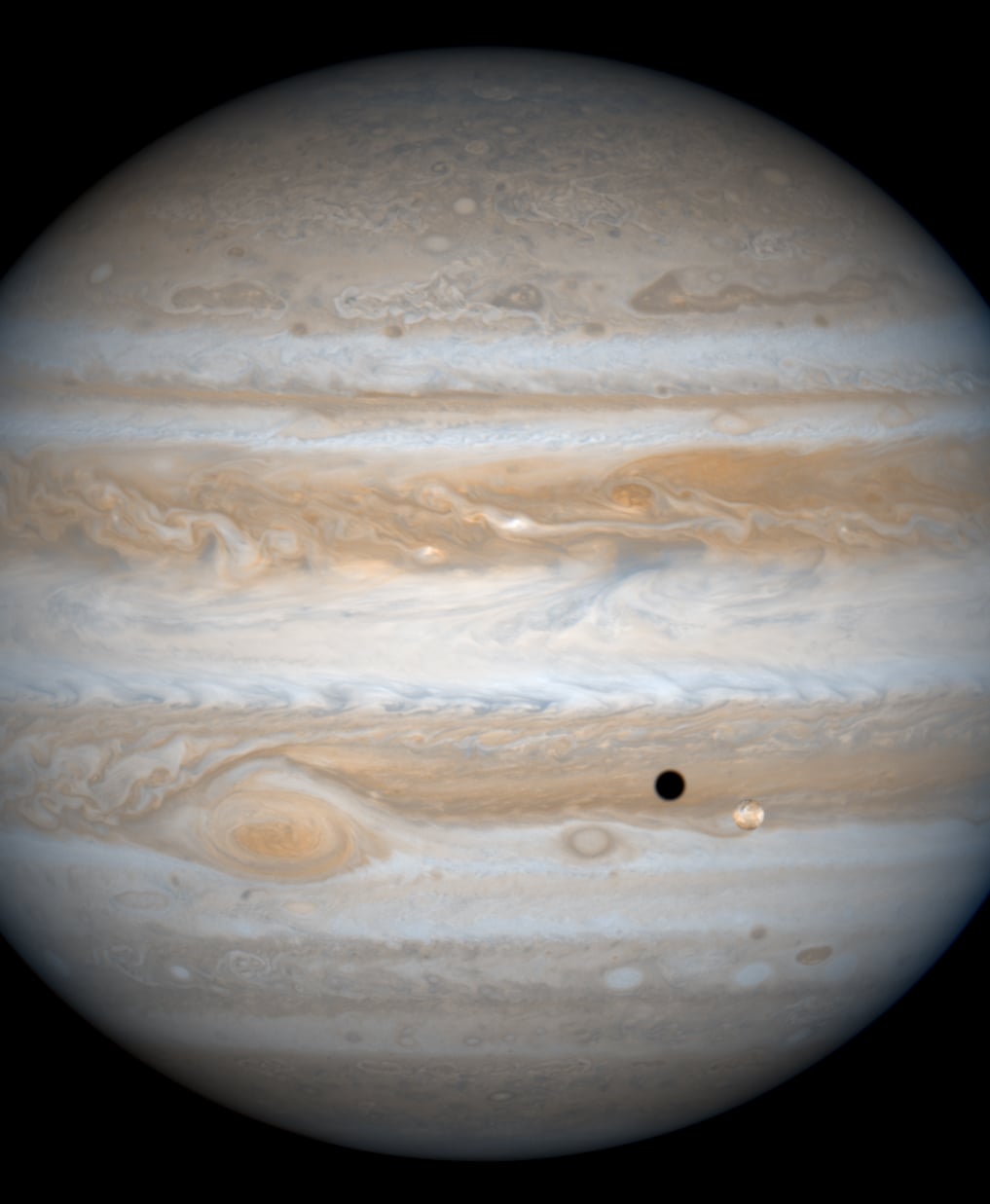
Rømer Shows That Light Has a Finite Speed
Delays in the eclipses of Jupiter’s moon Io revealed how long light takes to cross space.
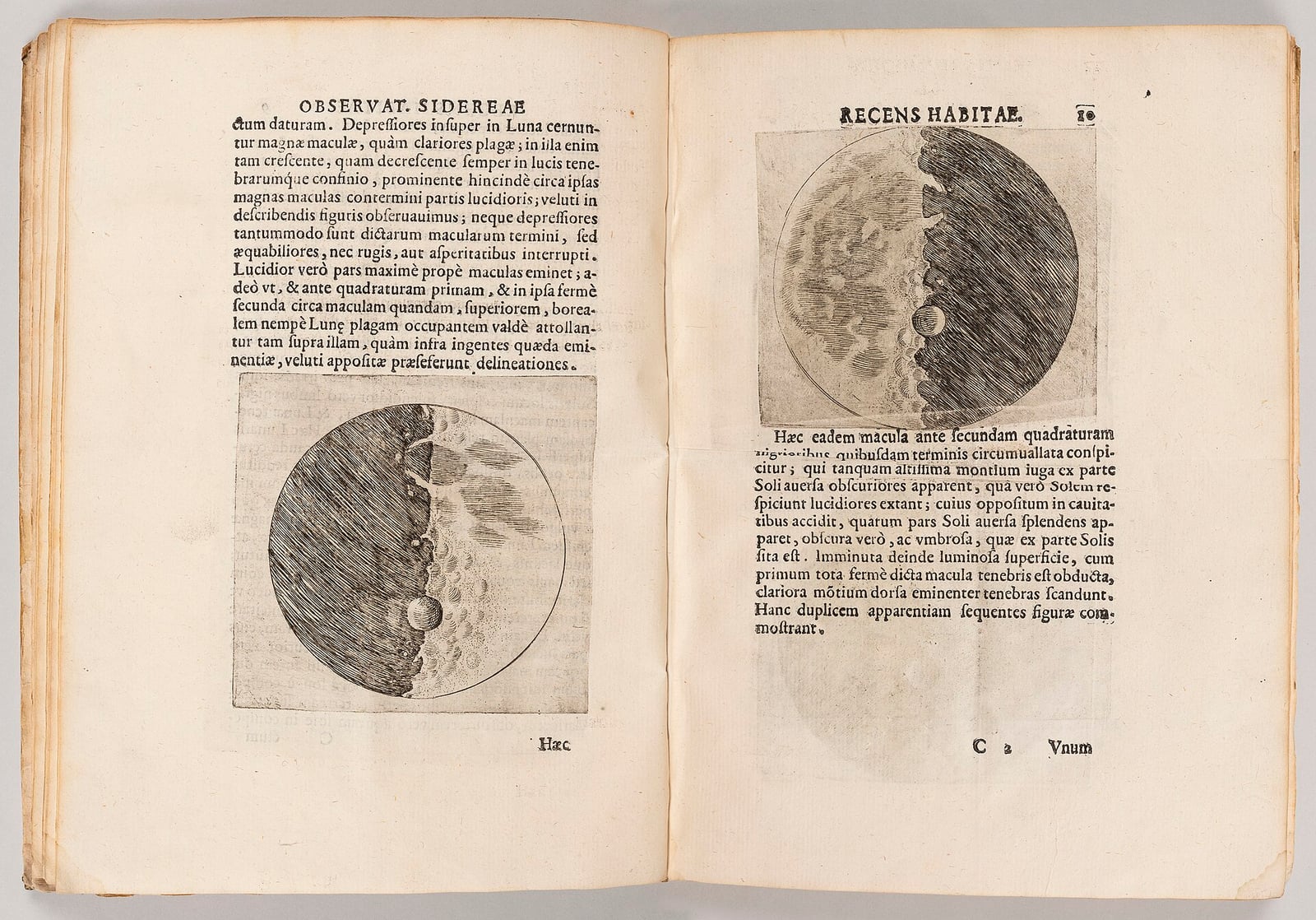
In 1676 at the Royal Observatory in Paris, Danish astronomer Ole Rømer presented an explanation for an enduring puzzle in planetary observation: the apparent inconsistency in the orbital timing of Jupiter's innermost Galilean moon, Io. Io completes an orbit around Jupiter approximately every 42.5 hours, regularly passing into the planet's shadow. Astronomers tracked these eclipses closely because they offered an accurate celestial clock for determining terrestrial longitude, a method originally conceived after Galileo discovered the Jovian satellites in 1610. However, observers noticed that the intervals between Io's eclipses varied depending on the time of year, departing from regular predictions.
Rømer compared orbital charts with records of Io's immersions and emergences compiled between 1668 and 1678, paying particular attention to data gathered around the oppositions of 1672 and 1673. He recognized that the duration between observed eclipses systematically increased when Earth moved away from Jupiter and decreased when Earth approached it. Convinced that the satellite's physical orbit remained stable, Rømer deduced that the shifts were visual delays caused by the finite time light required to travel across the changing spatial distance between the two planets.

Keep reading in Yester
Coming soon to the App Store
Keep following the story
Sources
Image: NASA/JPL-Caltech/Kevin M. Gill