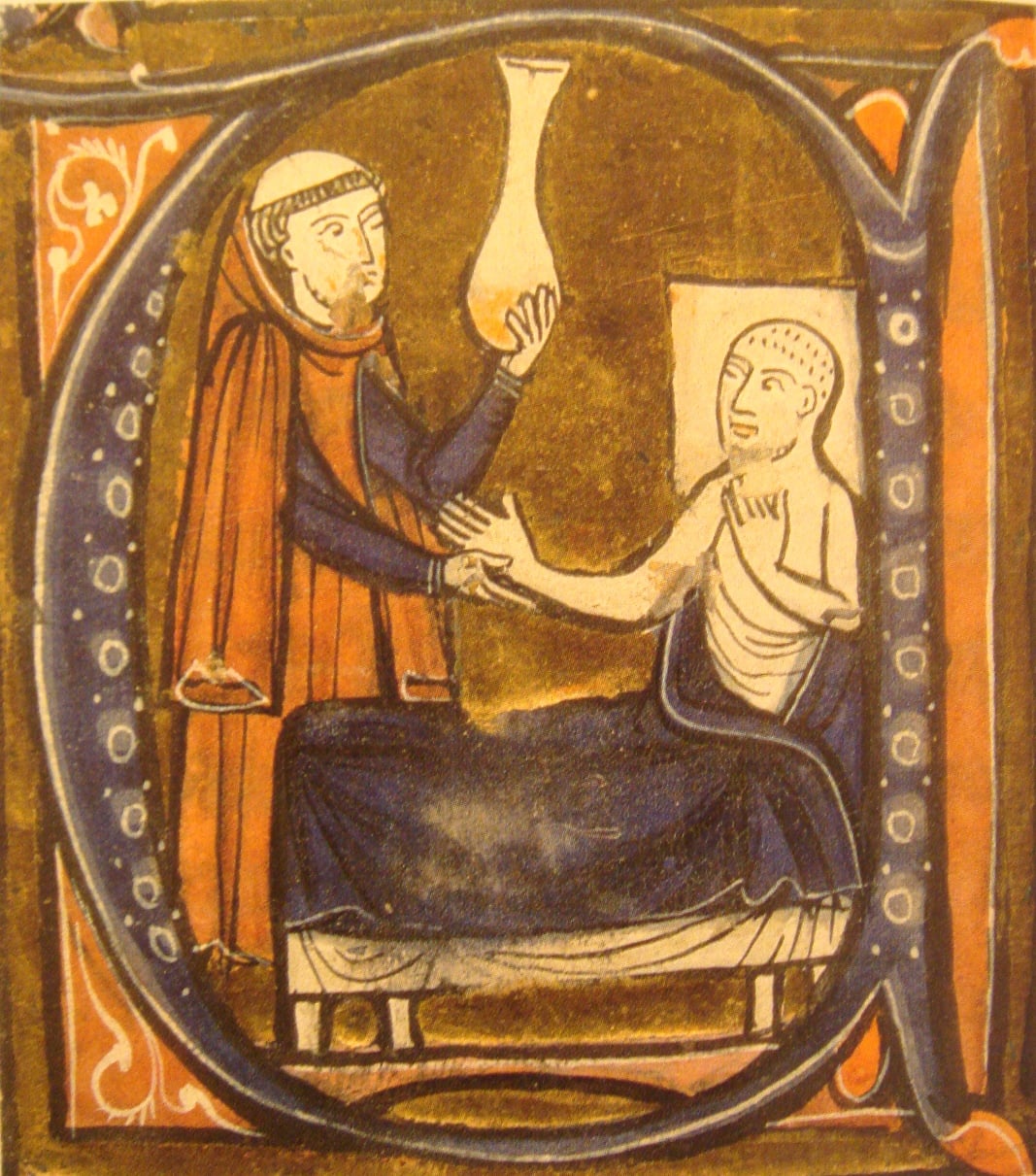
Translators in Toledo Bring Arabic Science into Latin
Scholars rendered works of astronomy, medicine and philosophy for Europe.
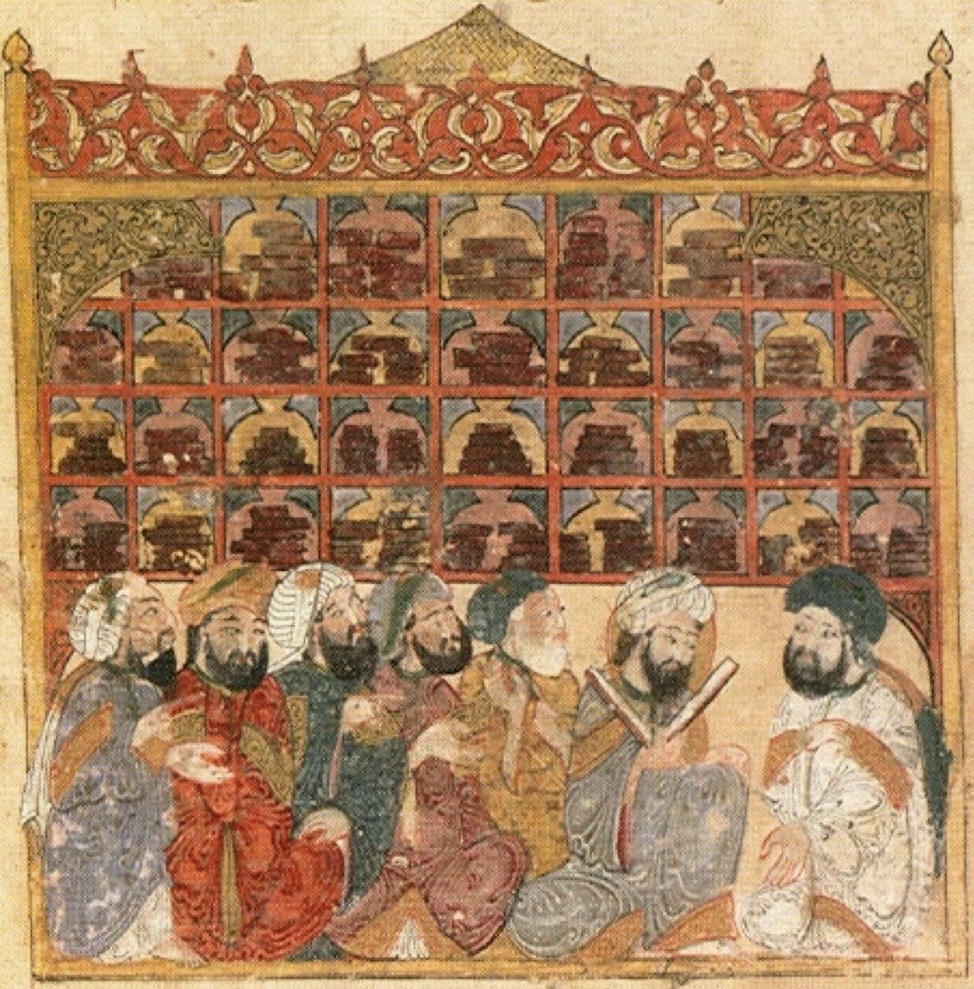
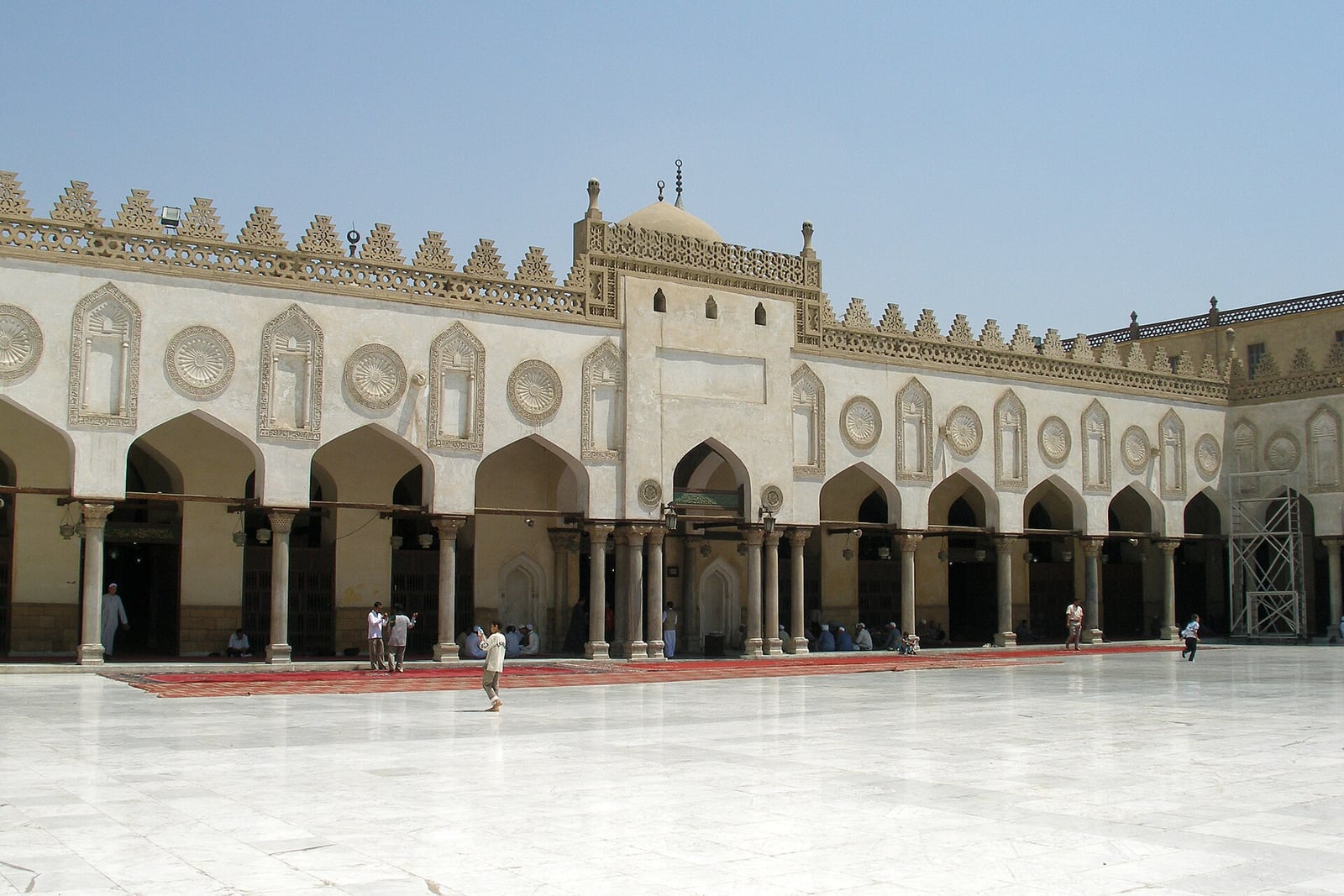
When Christian forces seized the city of Toledo in 1085, they took control of libraries containing centuries of accumulated scholarship from the Islamic world. Under centuries of Umayyad rule and subsequent local taifas, Toledo had flourished as a diverse urban center where Arabic, Hebrew, Latin, and local Romance idioms existed side by side. The conquest left a large community of bilingual Mozarabic Christians and Jewish residents intact, creating a bridge between the extensive scientific heritage of the eastern Islamic realm and Latin Christendom, which had long lacked direct access to these treatises.
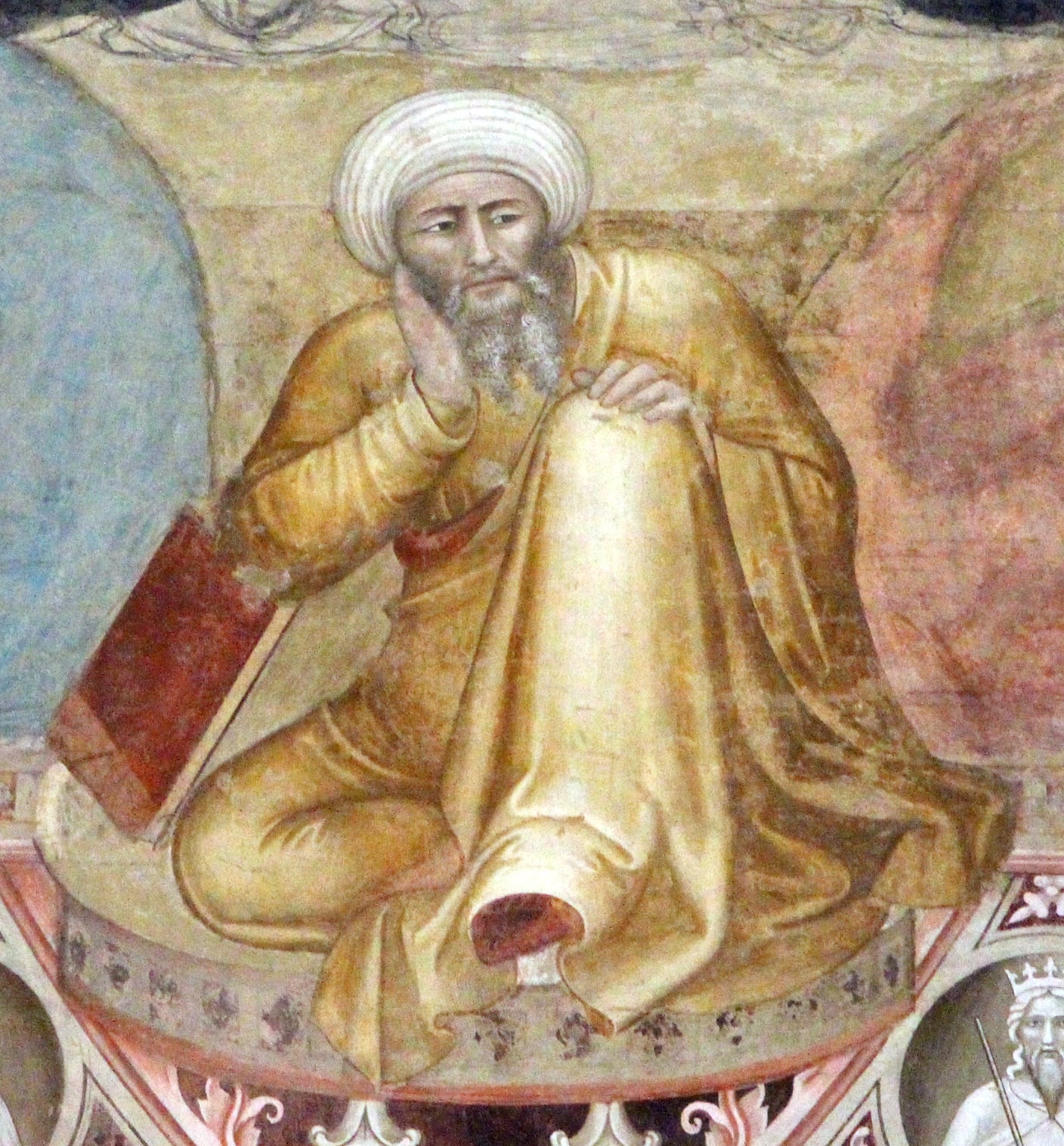
A systematic translation movement took shape under Archbishop Raymond of Toledo, who led the see of Toledo in the second quarter of the twelfth century. Based at the cathedral library, Raymond supported teams that brought together local Mozarabs, Jewish scholars, and Christian clerics from across Europe. Working primarily from Classical Arabic into Medieval Latin, these early circles translated theological, scientific, and philosophical texts, seeking to unlock ancient Greek thinkers such as Aristotle through the analytical commentaries compiled by Arabic-speaking intellectuals.

Keep reading in Yester
Coming soon to the App Store
Keep following the story
Sources
- Historia de la Escuela de Traductores de Toledo (Universidad de Castilla-La Mancha text, hosted by Universita Ca' Foscari Venezia)
- The Work of Translation at Toledo, D. M. Dunlop, Babel 6:2 (1960) (hosted by Universita Ca' Foscari Venezia)
- Gerard of Cremona, Biographical Encyclopedia of Astronomers (Springer, via MacTutor, University of St Andrews)
- Michael Scot biography (MacTutor, University of St Andrews)
- The astronomical tables of King Alfonso X (Instituto de Matematicas, Universidad de Sevilla)
- Alfonsine Tables, An Etymological Dictionary of Astronomy and Astrophysics (Observatoire de Paris)
- Toledo School of Translators
Image: Gerard of Cremona