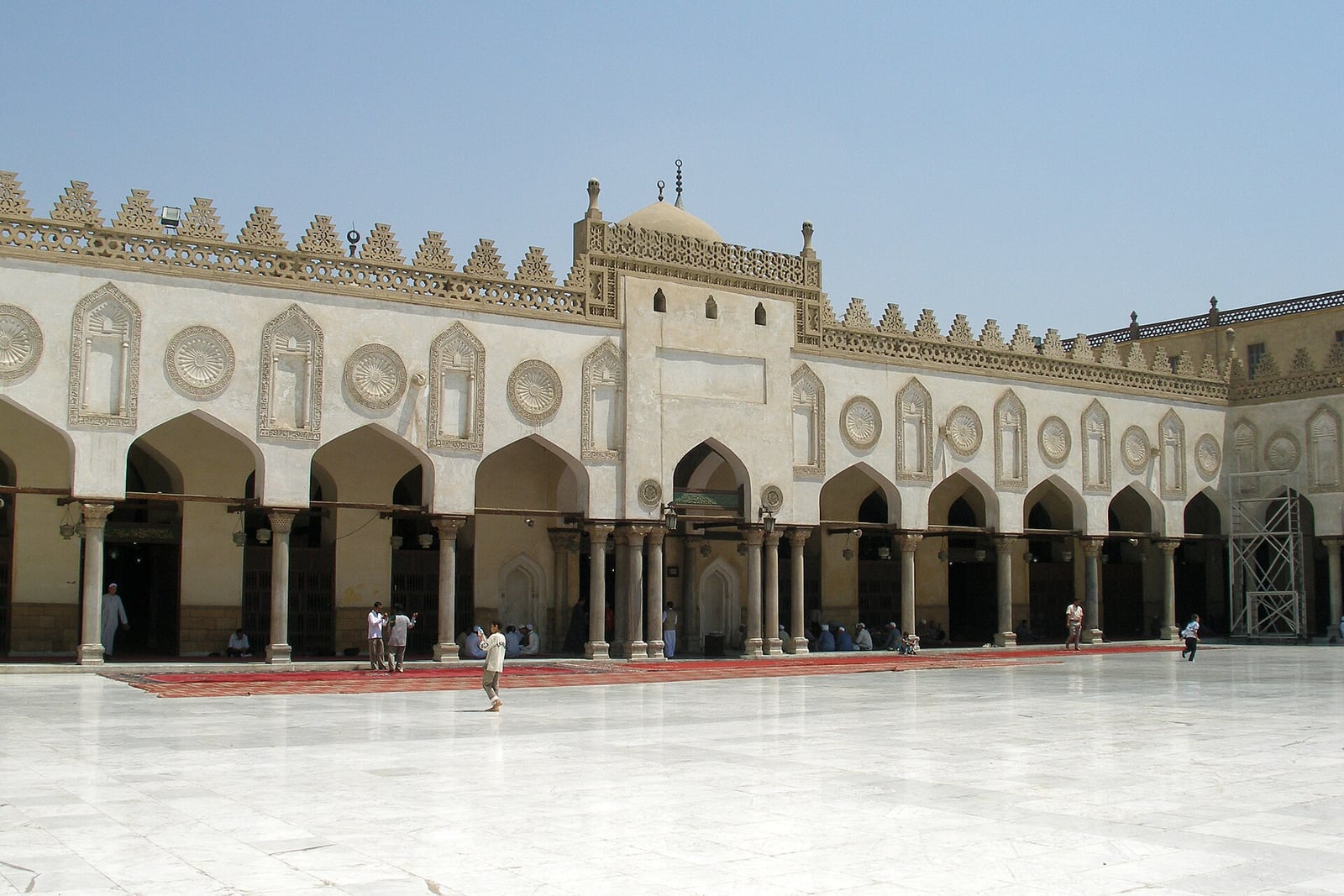
Al-Azhar Opens in Fatimid Cairo
A mosque grew into one of the oldest centers of learning in the world.
Work began on the al-Azhar Mosque on April 4, 970, under the direction of the Fatimid commander Jawhar al-Siqilli. It was commissioned following the conquest of Egypt to serve the newly established capital of Cairo. The mosque opened for its initial Friday prayers on June 22, 972, during the month of Ramadan, and served as the official congregational mosque of the new dynasty. Initially raised as an Ismaili Shi'ite religious center near the established Sunni town of Fustat, it accommodated regular sermons delivered by the caliphs alongside public judicial sessions and doctrines taught by state-appointed scholars.
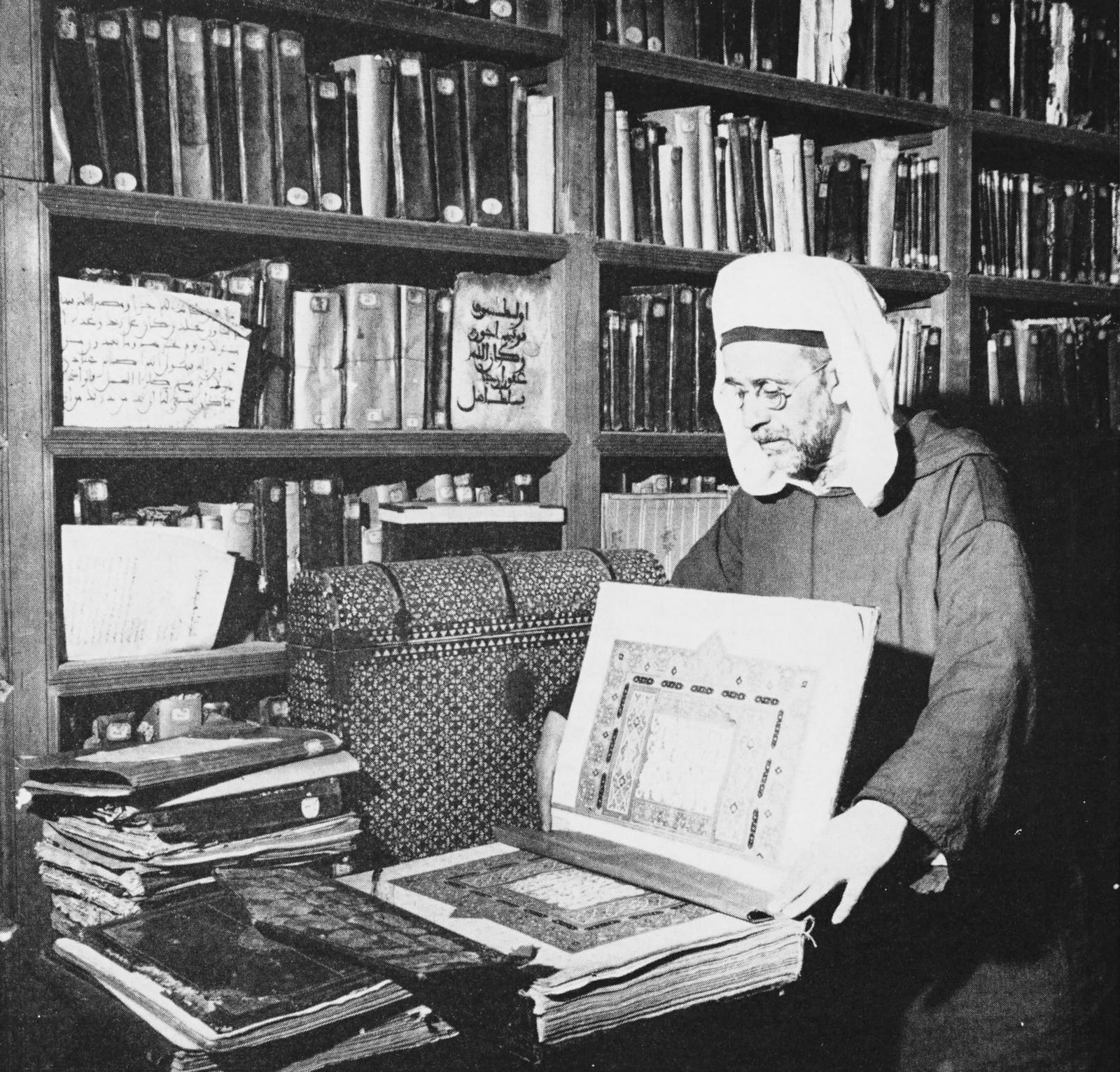
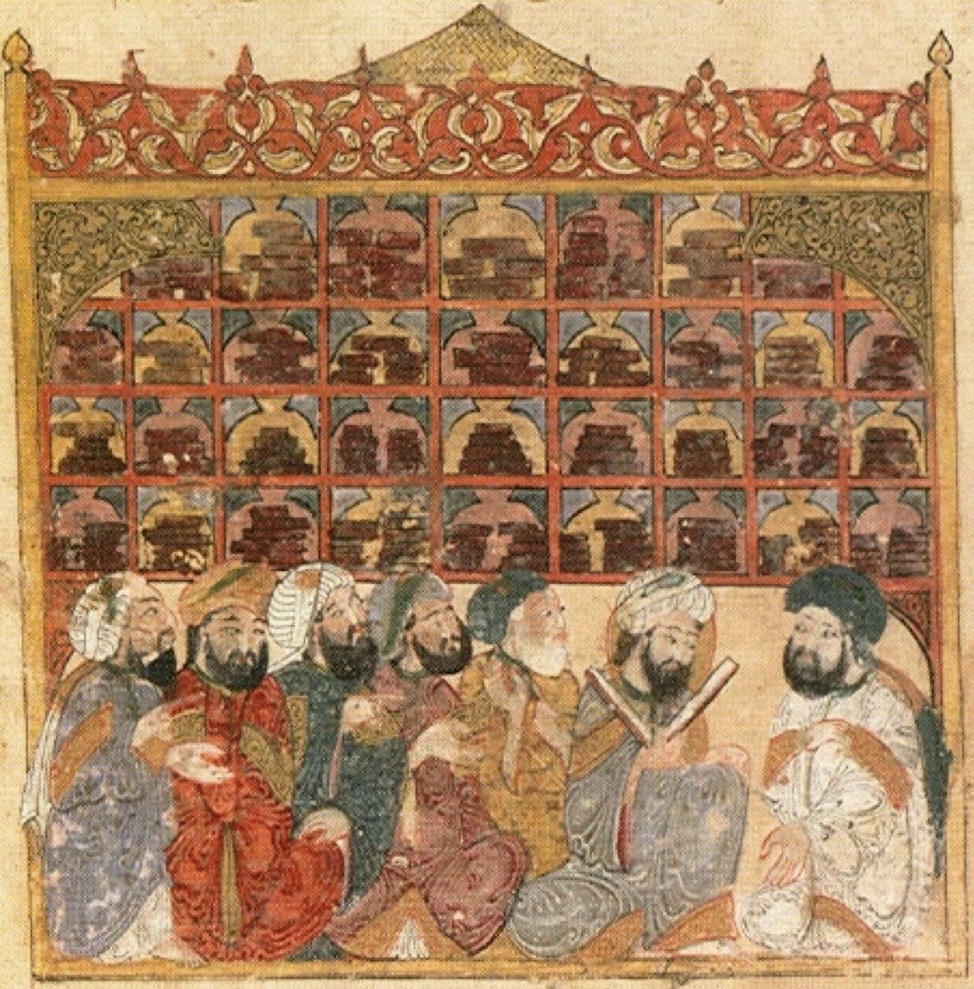
Instruction at al-Azhar evolved rapidly into an organized academic system. In 988 the Fatimid vizier Yaqub ibn Killis made the complex a formal hub for legal training, with thirty-five scholars housed nearby and paid by the state to teach. While older Islamic learning institutions like al-Qarawiyyin in Fez preceded it, al-Azhar grew into a cornerstone of higher scholarship. Around 1010 the caliph al-Hakim granted the mosque a large endowment for its upkeep. Early architectural expansions soon altered the original layout, which had comprised a hypostyle prayer hall supported by reused antique marble columns, introducing decorated keel-shaped arches, carved stucco inscriptions, and paved courtyards.

Keep reading in Yester
Coming soon to the App Store
Keep following the story
Sources
- Al-Azhar (Encyclopedia of Religion, via Encyclopedia.com)
- The Architecture of Cairo, Lecture Notes 5: Fatimid Mosques in Cairo (MIT OpenCourseWare)
- The Architecture of Cairo, Handout 5: Fatimid Mosques in Cairo (MIT)
- Fatimid Lustre: Historical Introduction (Ashmolean Museum, University of Oxford)
- Al-Azhar Mosque
Image: Vyacheslav Argenberg