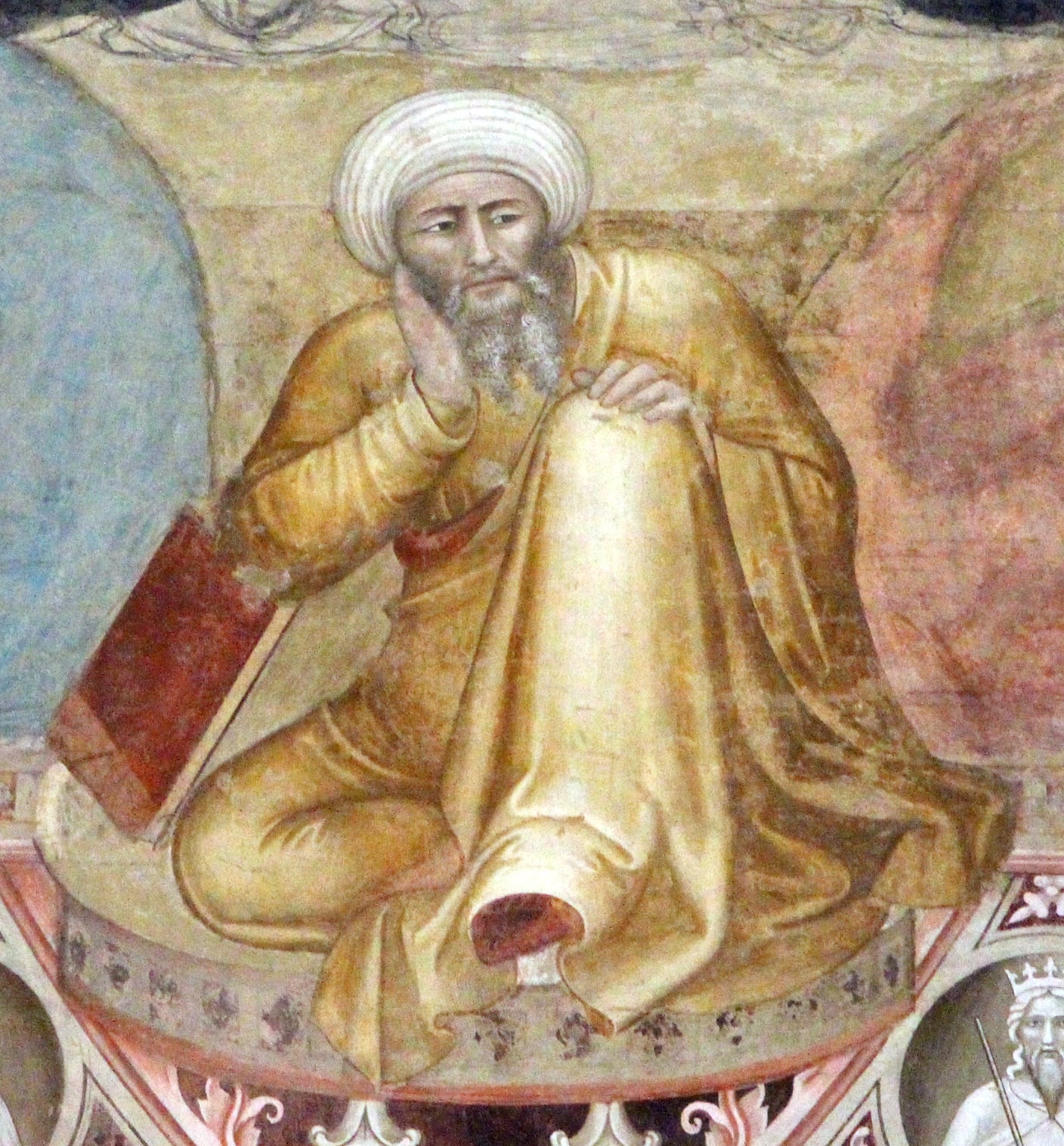
Ibn Rushd Begins His Commentaries on Aristotle
A judge and philosopher in Córdoba wrote commentaries that later shaped European thought.
Around 1169, the Andalusian physician and philosopher Ibn Tufayl introduced his friend Ibn Rushd to the Almohad caliph, Abu Yaqub Yusuf. When the ruler opened their meeting by asking whether the heavens had existed from eternity or possessed an origin, Ibn Rushd initially hesitated to speak on such a sensitive theological matter. The caliph eased the tension by displaying his own grasp of ancient Greek and Islamic philosophy, eventually commissioning Ibn Rushd to clarify the challenging writings of Aristotle. Later that year, Ibn Rushd began his famous commentaries while also stepping into public administration as a judge in Seville.
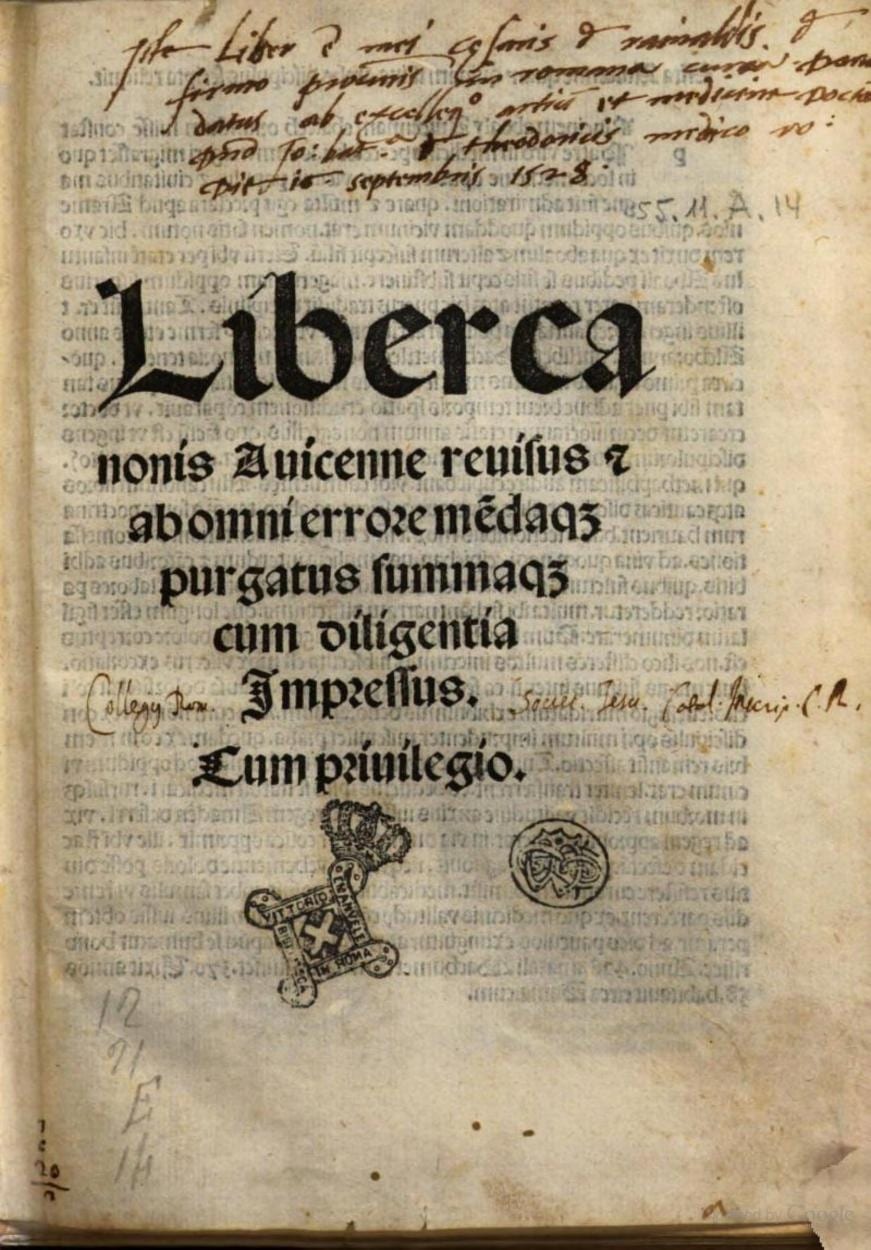
Born in Córdoba in 1126 to a distinguished family of legal scholars, Ibn Rushd received rigorous schooling in Maliki jurisprudence, hadith, medicine, and theology. He eventually served as chief judge of Córdoba and royal physician at court. Despite these extensive civic responsibilities, he produced dozens of philosophical, legal, and scientific texts. His legal treatise on comparative Sunni jurisprudence, Bidāyat al-Mujtahid, analyzed how differing methodological principles produced divergent judicial rulings, while his medical compendium, Al-Kulliyat fi al-Tibb, later became a standard reference in Latin translation as the Colliget.

Keep reading in Yester
Coming soon to the App Store
Keep following the story

Sources
Image: Sailko