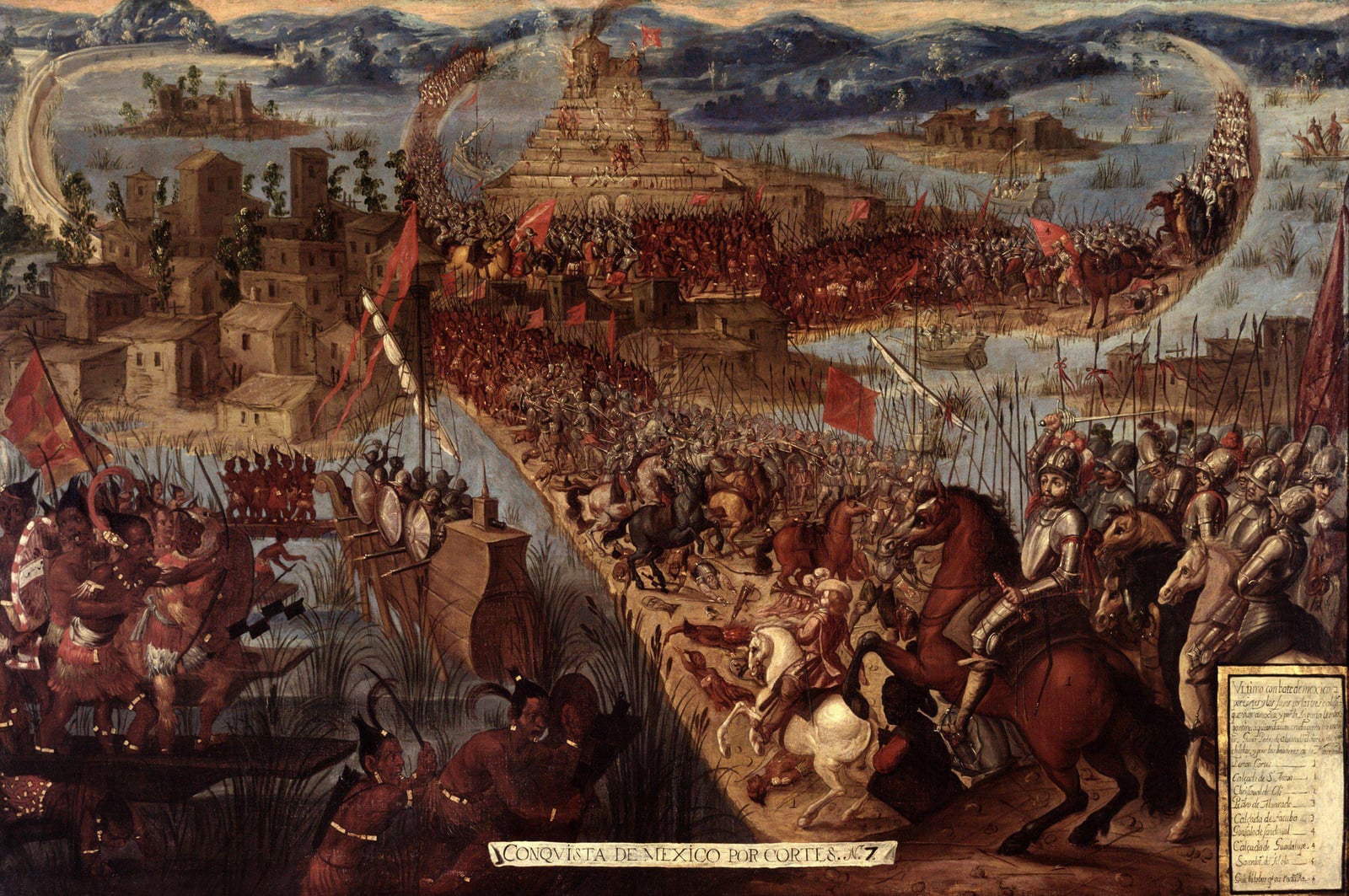
Tenochtitlan Falls After a Long Siege
Spanish forces and their Indigenous allies captured the Mexica capital as disease spread.
In August 1521, the island capital of Tenochtitlan fell after months of brutal encirclement by Spanish forces and tens of thousands of Indigenous allies. Commanded by Hernan Cortes, the attacking coalition systematically choked off the Mexica stronghold in Lake Texcoco. The conquest brought an end to the ruling Aztec imperial core and established a decisive foothold for the Spanish colonization of the Americas, but it was accomplished only through extensive Indigenous rivalries and the devastating intervention of an Old World contagion.
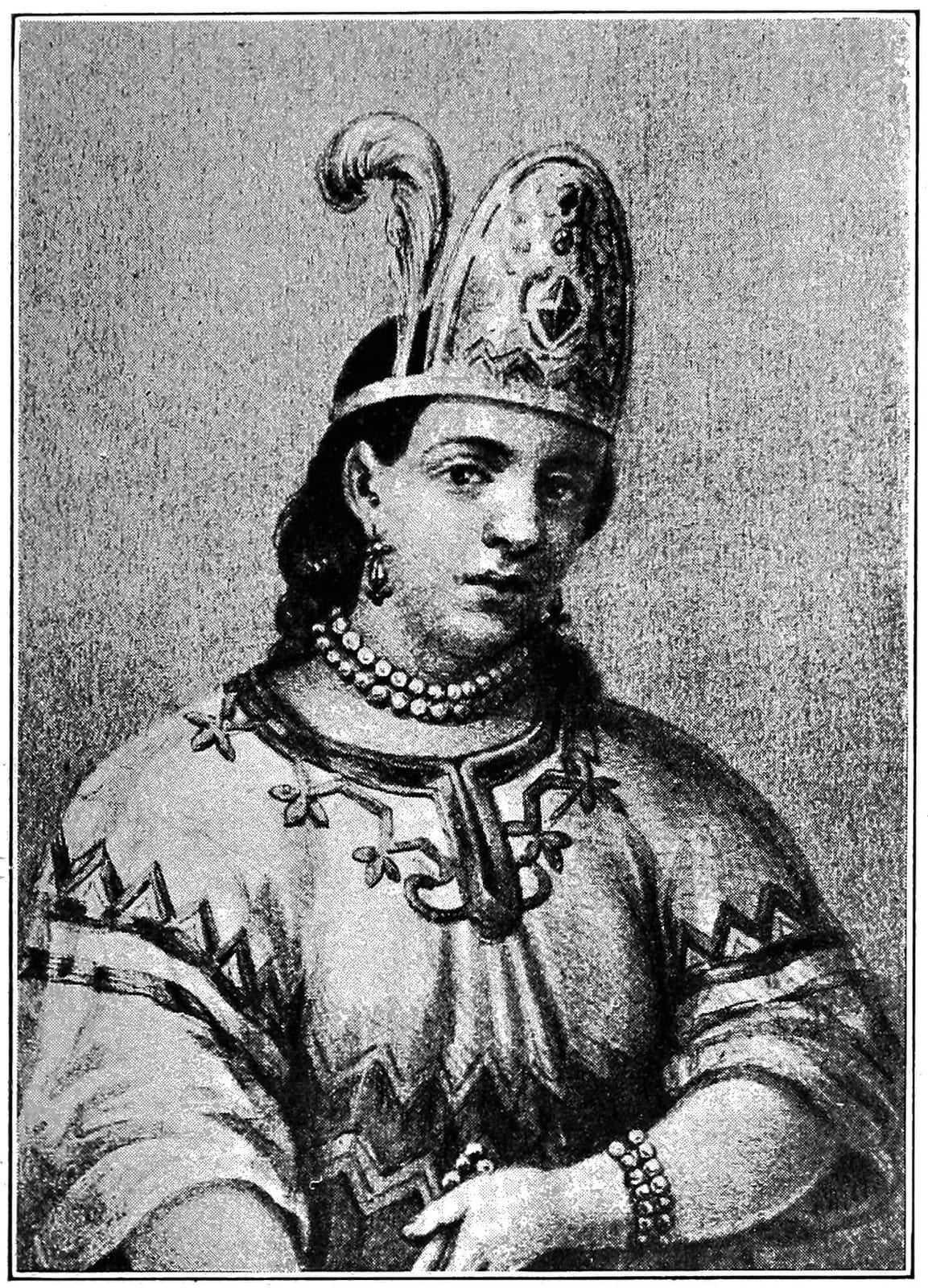
Cortes had first entered the capital in November 1519, aided critically by local diplomacy and interpretation. Among his central intermediaries was an enslaved Indigenous woman baptized Dona Marina and remembered historically as Malintzin, who translated from Nahuatl into Chontal Maya for Geronimo de Aguilar to render into Spanish. Though greeted peacefully by the ruler Moctezuma II, the Spanish quickly took the tlatoani hostage in his own palace to maintain control. Later traditions suggested that Moctezuma mistook Cortes for the returning god Quetzalcoatl, but many modern scholars question this story, seeing it as shaped by European accounts and later native rationalizations.

Keep reading in Yester
Coming soon to the App Store
Keep following the story
Sources
- Hernan Cortes (World History Encyclopedia)
- The Old World Soldier Who Conquered the New (HistoryNet)
- Tenochtitlan (World History Encyclopedia)
- La Malinche: A Complicated Woman in Context (World History Encyclopedia)
- Cortés Conquers Aztecs in Mexico (EBSCO Research Starters)
- Conquistadors: Cortés, Siege, Starvation and Smallpox (PBS)
- Fall of Tenochtitlan
Image: Unknown author Unknown author