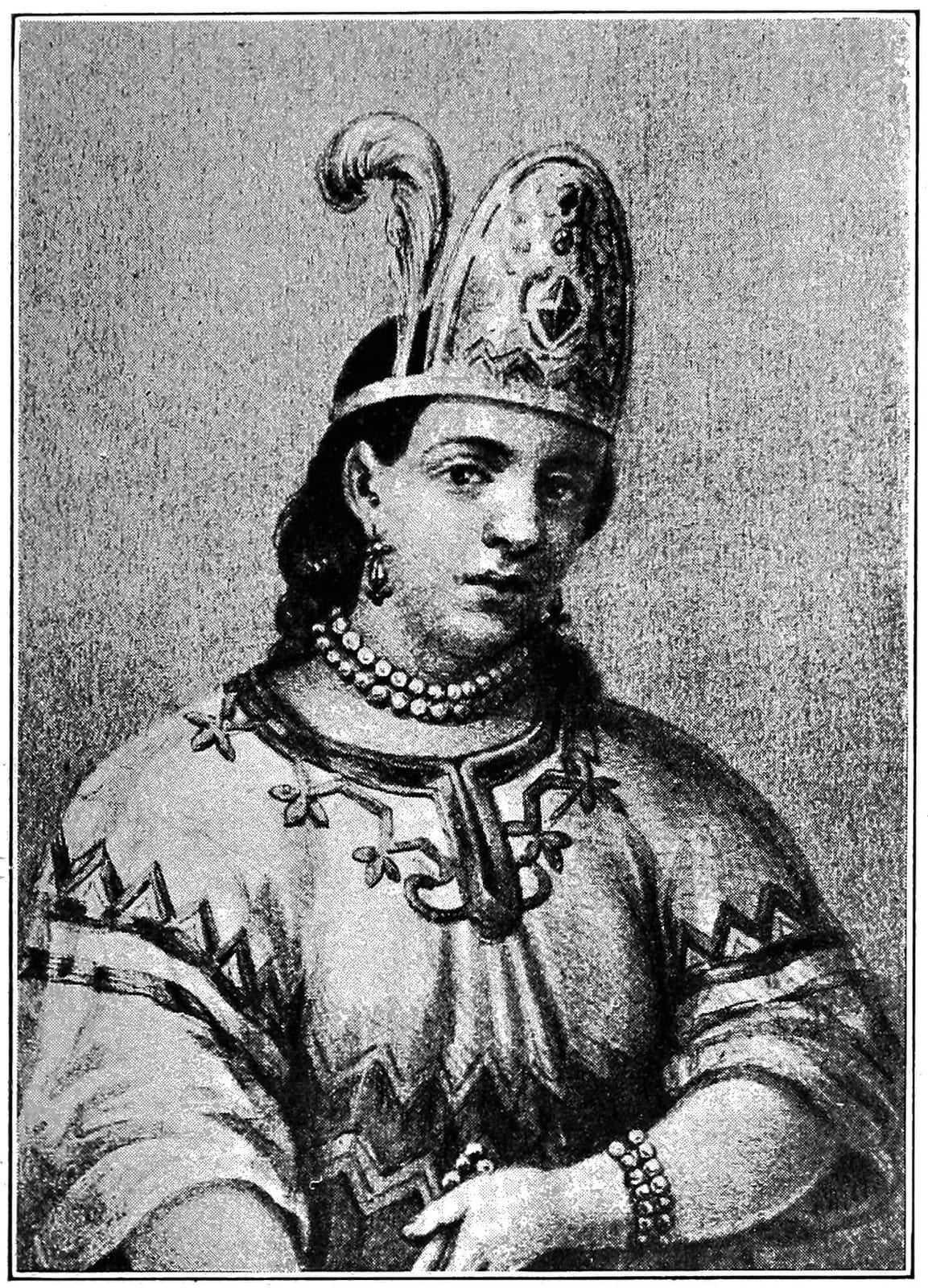
Malintzin Navigates the Languages of Conquest
Interpretation became a form of power within an invasion, while later retellings repeatedly reshaped one woman’s role.
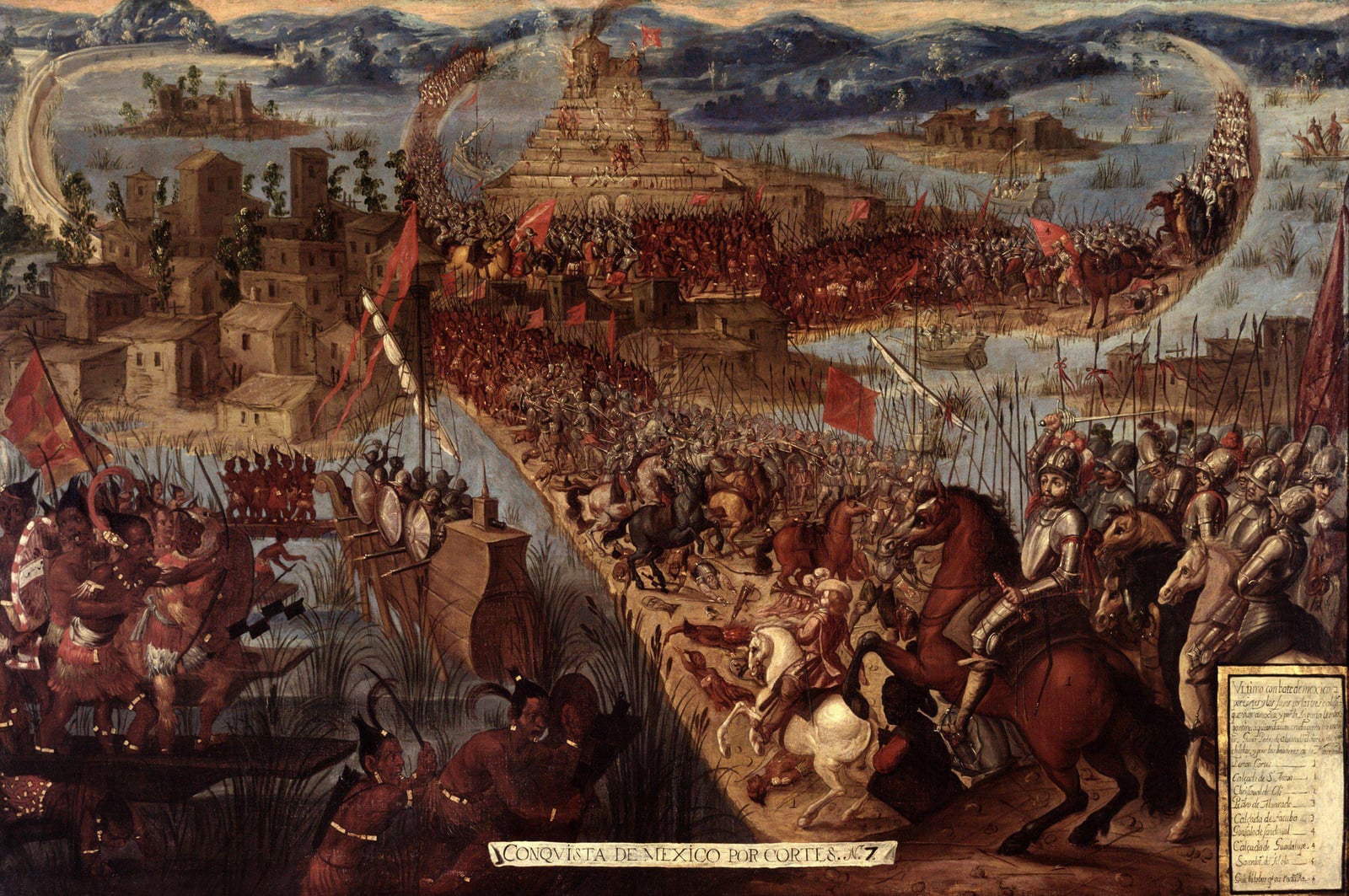
In the spring of 1519, after a military clash near Potonchan on the Gulf Coast of Mexico, local Maya leaders offered peace gifts to Hernan Cortes. Among the provisions and gold were twenty enslaved women, who were promptly baptized and distributed among the Spanish captains. One of them, christened Marina and later remembered as Malintzin or La Malinche, was initially assigned to Alonso Hernandez Puertocarrero. Her linguistic knowledge soon transformed her position entirely. Born into a noble family in a Nahuatl-speaking region east of the Aztec Empire, she had been trafficked into Maya territory as a youth, acquiring Chontal Maya alongside her native tongue. When the expedition moved north to San Juan de Ulua and encountered emissaries from the Aztec ruler Moctezuma, Spanish interpreter Geronimo de Aguilar could not comprehend them. Cortes discovered that Marina understood the emissaries, and he claimed her for his inner circle.
Communication initially required a complicated translation chain. Cortes spoke Castilian to Aguilar, who translated into Maya for Marina, who then rendered the statements into Nahuatl for local interlocutors before the process reversed. When meeting groups such as the Totonac, additional translators were needed to bridge Nahuatl and the local language. Over time, Marina quickly acquired Spanish, allowing her to interpret directly. Her mastery of tecpillahtolli, a refined courtly register of Nahuatl marked by reverential phrasing, proved essential during high-stakes diplomatic exchanges. When Cortes met Moctezuma at the entrance to Tenochtitlan in November 1519, Marina stood between them, translating speeches whose subtle protocols modern historians note were easily misinterpreted by Europeans.

Keep reading in Yester
Coming soon to the App Store
Keep following the story
Sources
Image: Unknown author Unknown author