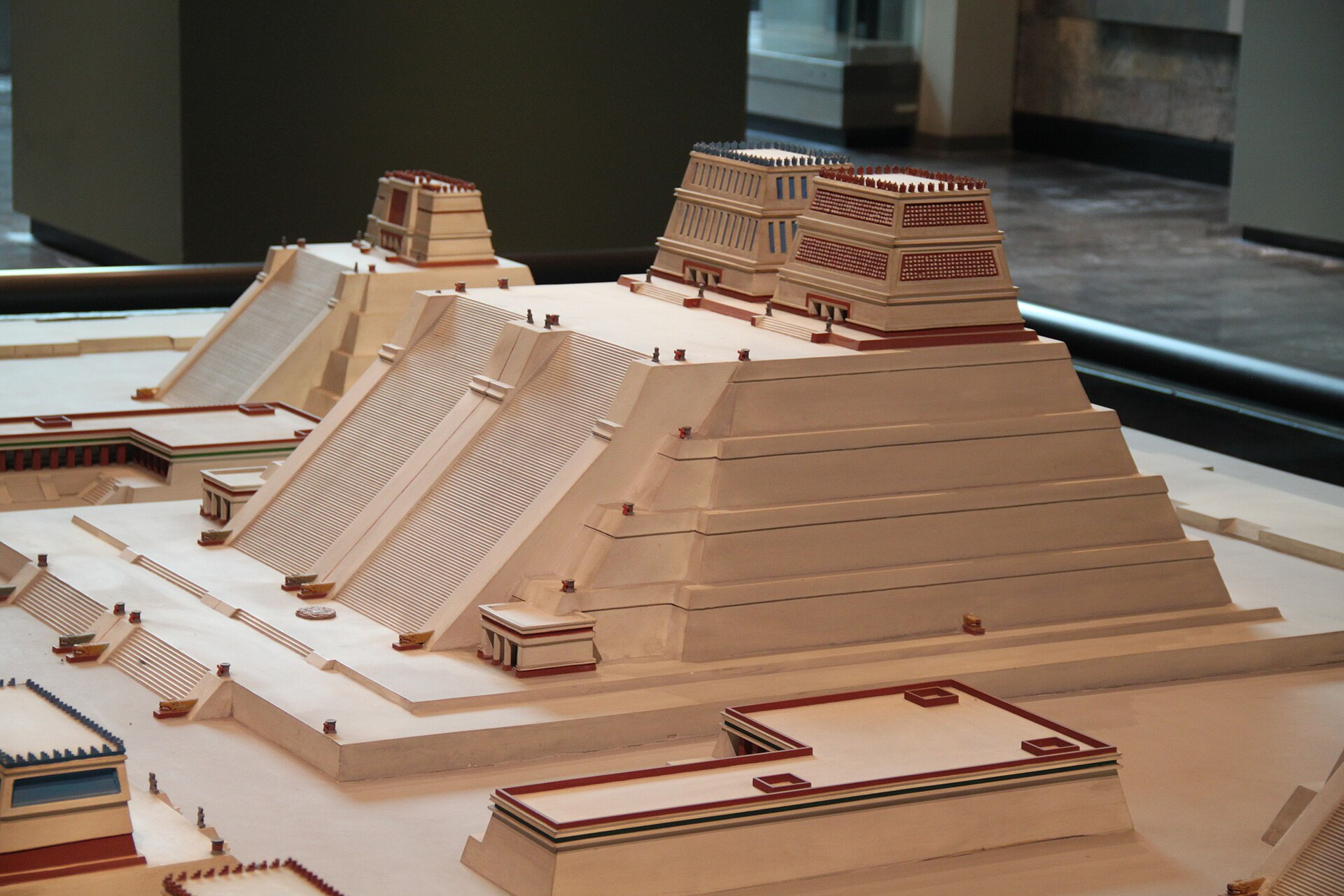
Electricians Find the Stone That Reveals the Templo Mayor
A carved moon goddess led archaeologists to the Aztecs’ great temple.
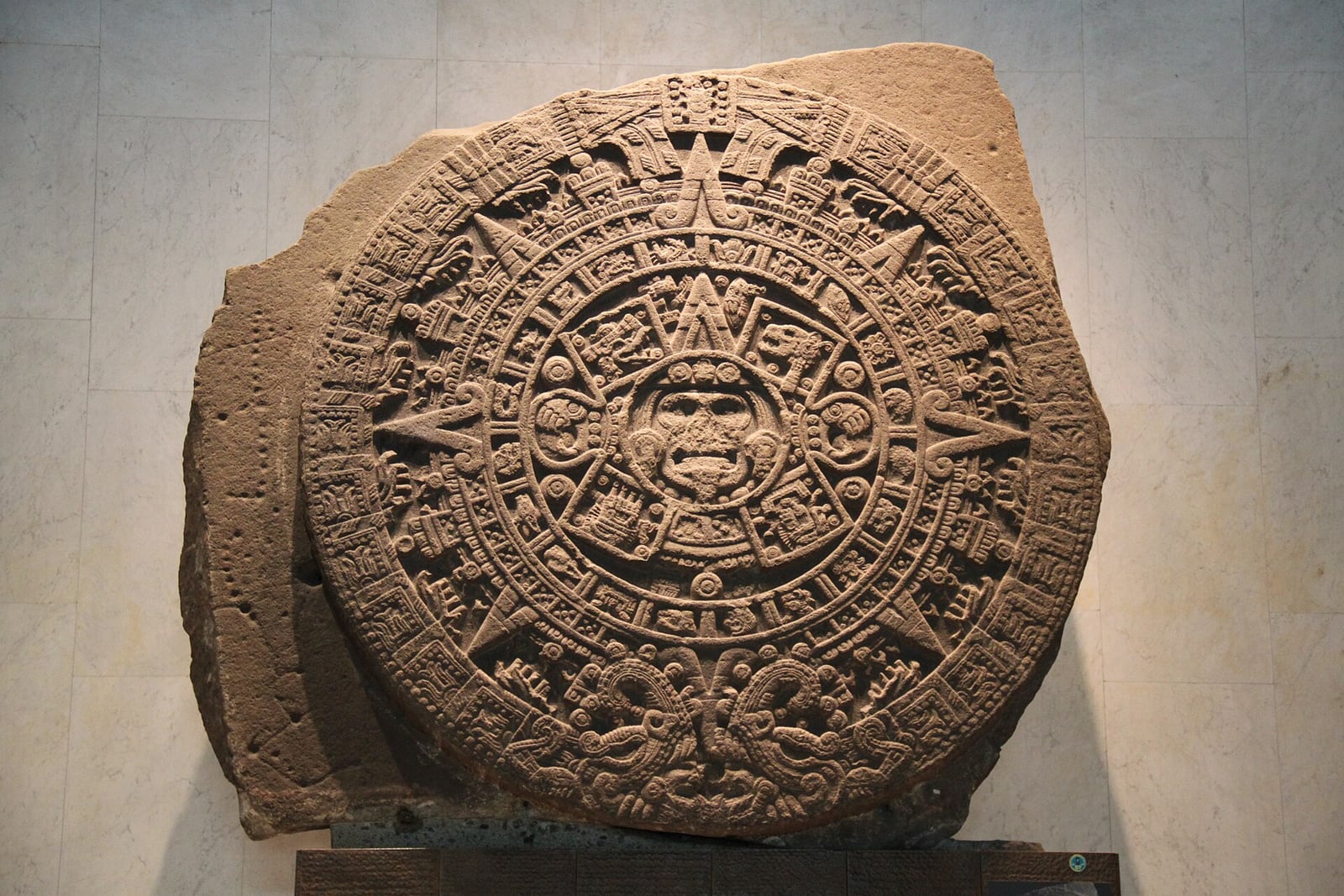
On 21 February 1978, workers from the Compania de Luz y Fuerza del Centro were trenching just over two meters beneath the streets of Mexico City in an area historically nicknamed the island of the dogs. Their shovels struck a massive circular stone monolith, 3.25 meters across at its widest, 30 centimeters thick, and weighing about eight tonnes. Carved in low relief, the disk portrayed Coyolxauhqui, the Aztec moon goddess, dismembered according to the myth of her defeat by her brother Huitzilopochtli. Dated to the late fifteenth century, this sculpture had rested at the base of the sacred stairway of the Mexica, directly marking the long-buried complex of the Huey Teocalli, or Templo Mayor.
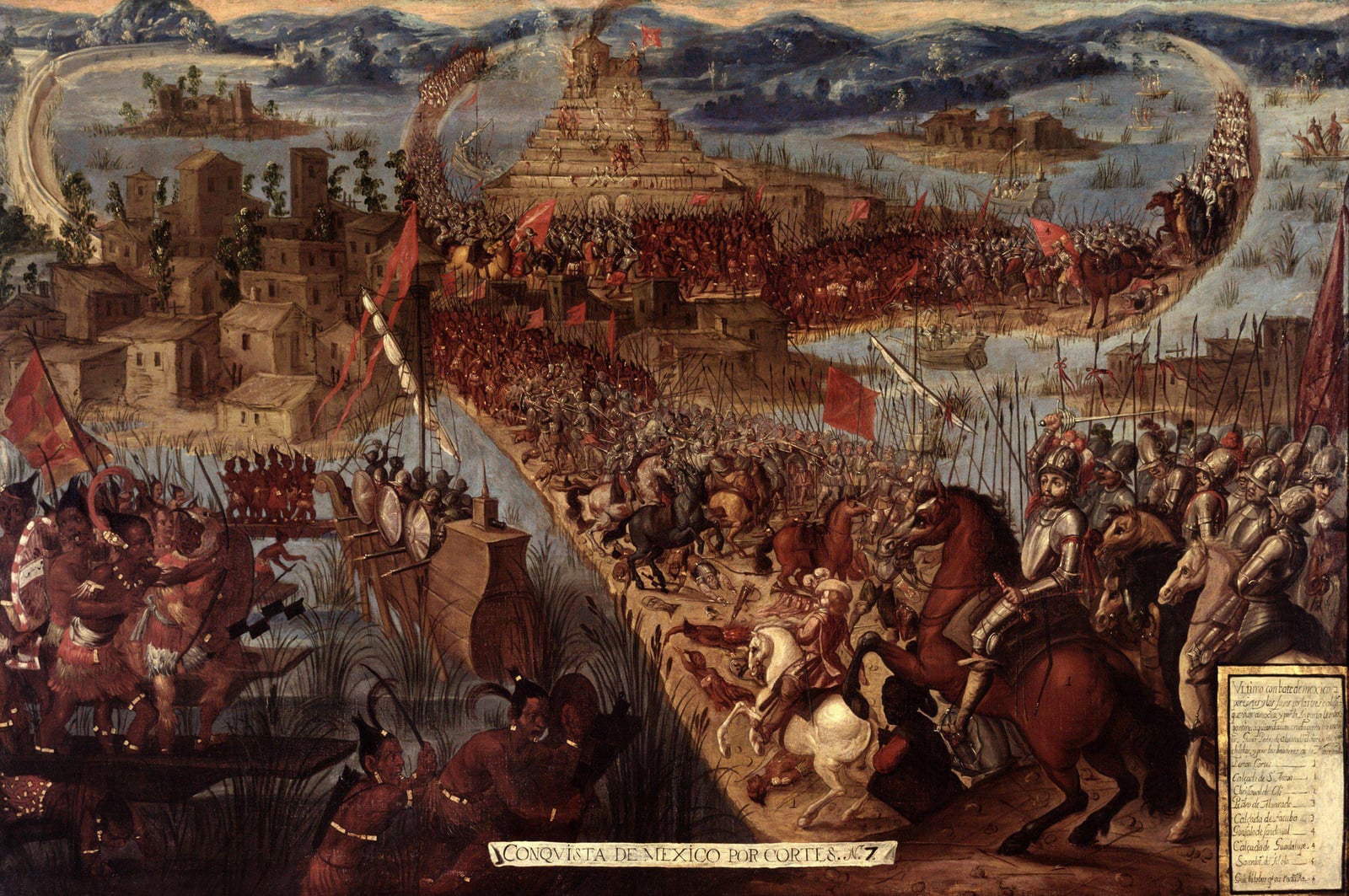
For centuries after the Spanish conquest of the capital city of Tenochtitlan in 1521, the exact position of the Great Temple had vanished beneath the growing colonial metropolis. Spanish forces had demolished the religious center, reusing its carved masonry as foundation and construction material for colonial edifices, including the nearby Mexico City Metropolitan Cathedral. Although nineteenth-century investigators like Leopoldo Batres mistakenly believed the cathedral sat squarely atop the ruins, twentieth-century discoveries by Manuel Gamio and other researchers began revealing fragments of serpent heads, stairways, and offering platforms in the surrounding blocks, pointing toward the true precinct just northeast of the modern Zocalo plaza.

Keep reading in Yester
Coming soon to the App Store
Keep following the story
Sources
Image: Gary Todd from Xinzheng, China