The Toltecs Raise Stone Warriors at Tula
Giant columns carved as warriors guarded a city the Aztecs remembered as a golden age.
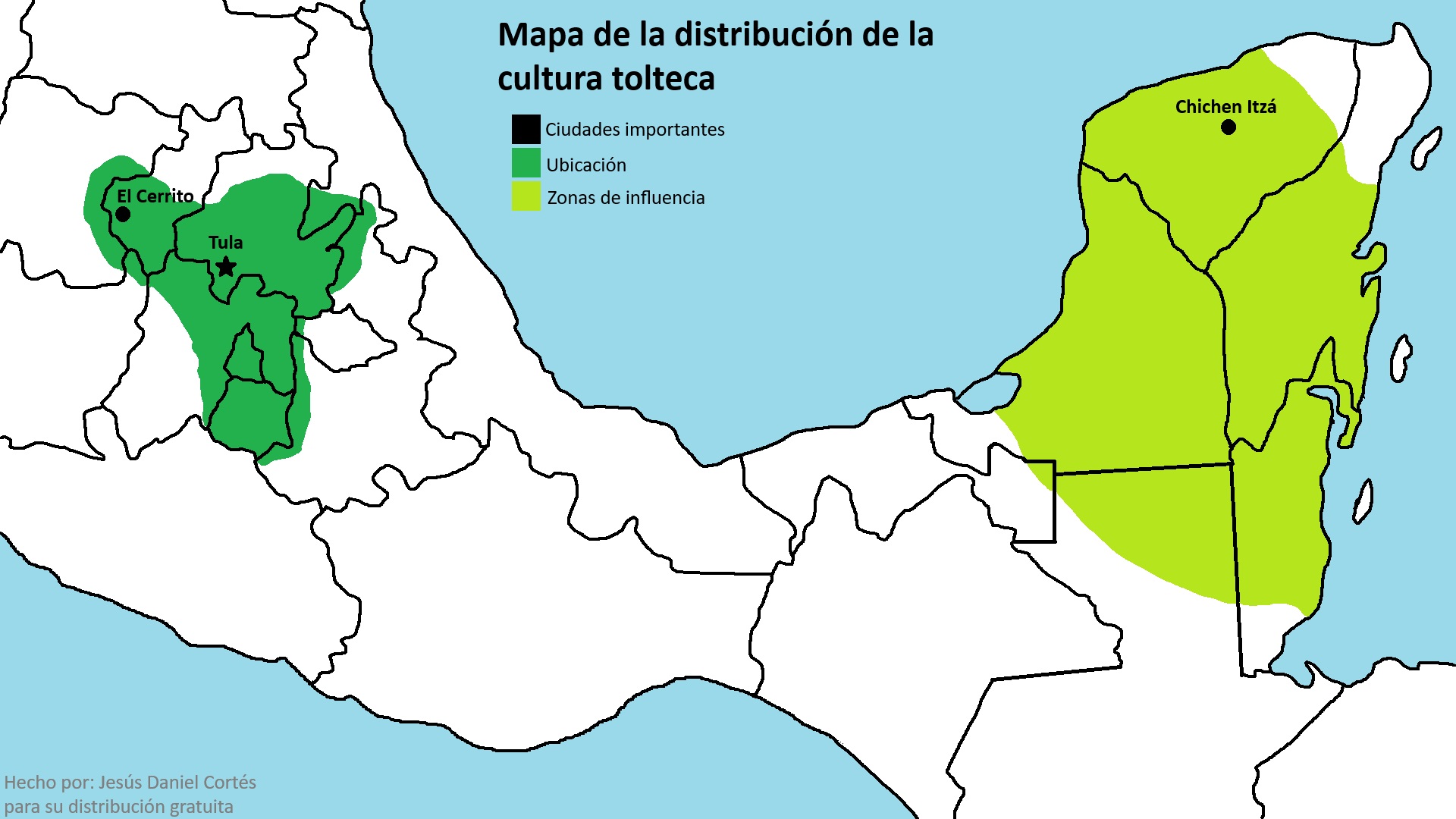
Centuries before the Mexica built their island capital of Tenochtitlan, an influential urban society expanded in the semi-arid landscape of Hidalgo, Mexico. Following the decline of dominant Early Classic settlements around 650 AD, communities associated with the Coyotlatelco culture gathered into hilltop towns across the region. Their civic consolidation produced Tula Chico, an urban center planned on a regular grid with multiple ballcourts and temple platforms. When that earlier center was burned and abandoned near the end of the Epiclassic period, regional authority transferred roughly 1.5 kilometers to the south, where builders laid out Tula Grande during the Early Postclassic era around 950 AD.
Tula Grande grew into a regional power covering approximately 16 square kilometers of plains, valleys, and marshes, supporting an estimated population of as many as 60,000 residents. At the core of the city, stone masons raised massive basalt pillars sculpted as armored warriors atop Pyramid B. These Atlantean figures, alongside surrounding colonnaded halls, formed a monumental public precinct where civic administration and civic ritual converged. The city relied on specialized craft production to sustain its prominence, including an extensive obsidian industry. Archaeological surveys recovered tens of thousands of worked obsidian pieces from urban and residential sectors, indicating that Tula served as a primary distribution hub for the valuable volcanic stone after the earlier collapse of Teotihuacan.

Keep reading in Yester
Coming soon to the App Store
Keep following the story
Sources
Image: Jesusdco