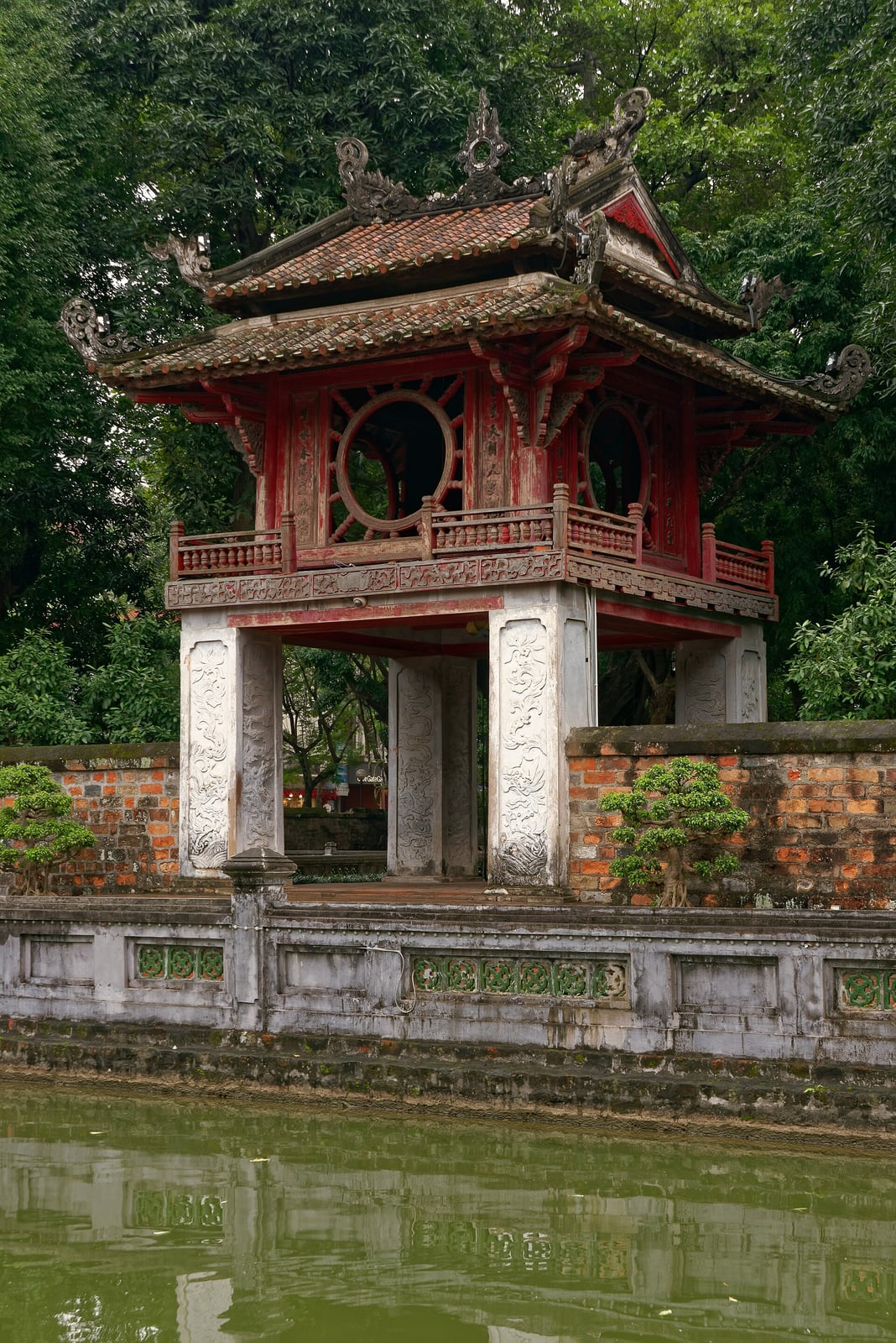
Hanoi’s Temple of Literature Honors Confucius
A temple became the site of Vietnam’s first national university.
In the autumn of 1070, during the reign of Emperor Ly Thanh Tong, the kingdom of Dai Viet established the Van Mieu south of the Imperial Citadel of Thang Long in modern Hanoi. The walled sanctuary was founded to venerate Confucius, along with his prominent disciples and revered scholars. Sculptors carved representations of the philosopher alongside Yan Hui, Zengzi, Zisi, Mencius, and the Duke of Zhou, while painters depicted dozens of other Confucian sages. Four seasonal ceremonies were instituted to maintain formal imperial rites, and the royal court made the site a center of instruction for crown princes.
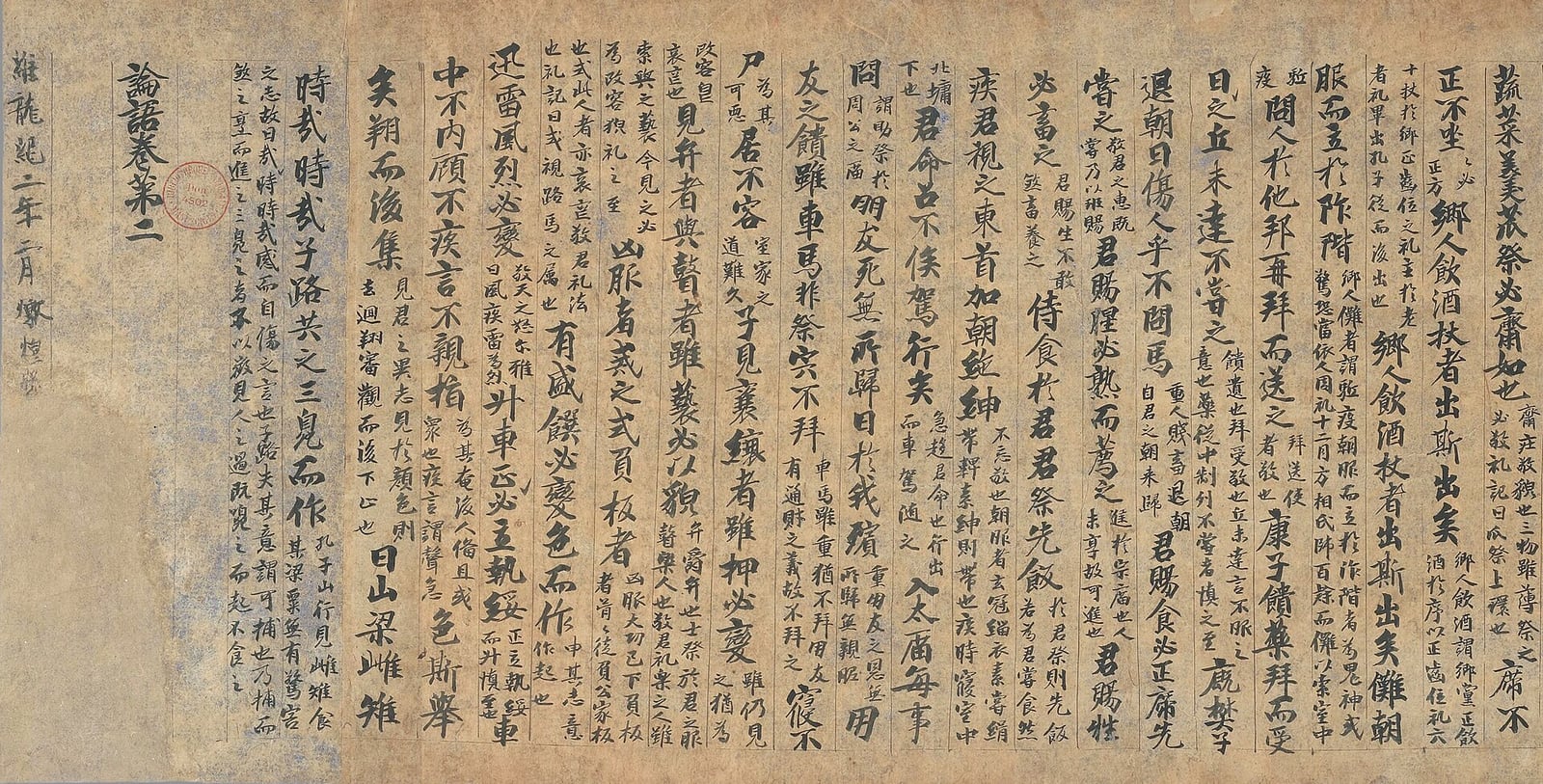
The institutional scope of the temple expanded dramatically in 1076 when Emperor Ly Nhan Tong established the Quoc Tu Giam, or Imperial Academy, directly within the grounds. Regarded as the first national university of Vietnam, the academy was tasked with preparing royalty, aristocrats, and talented civil servants for administrative careers. Instruction centered on canonical texts, including the Four Books, the Five Classics, ancient poetry, and historical chronicles. Students underwent frequent testing, progressing through monthly reviews and comprehensive seasonal examinations over courses of study that lasted from three to seven years.

Keep reading in Yester
Coming soon to the App Store
Keep following the story
Sources
Image: Jakub Hałun