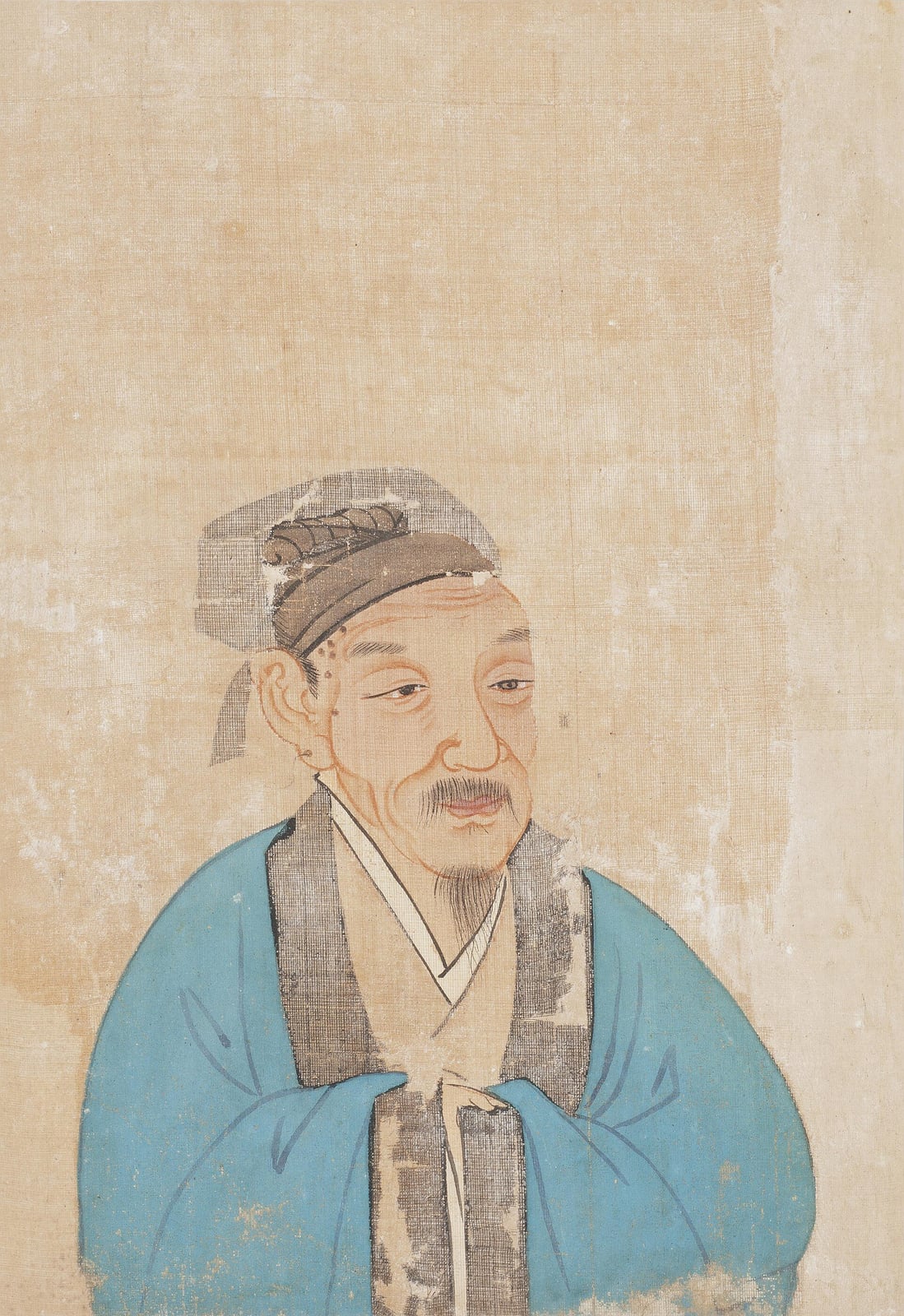
Zhu Xi Reshapes the Confucian Classics
His commentaries became the core of China’s civil service examinations.
Born in Fujian in 1130, Zhu Xi matured during the Southern Song dynasty amid political instability and debates over the intellectual inheritance of China. After his father died following a dispute over state policy toward the Jurchen, the young scholar pursued his studies under several teachers, passing the highest imperial examination, the jinshi, in 1148 while still in his teens. Rather than seeking continuous advancement in the imperial bureaucracy, Zhu avoided public office across long stretches of his adult life, devoting himself instead to extensive correspondence, teaching, and writing. When he did accept administrative duties, such as reviving the White Deer Grotto Academy in 1179, his criticism of corrupt and incompetent superiors frequently led to his dismissal.
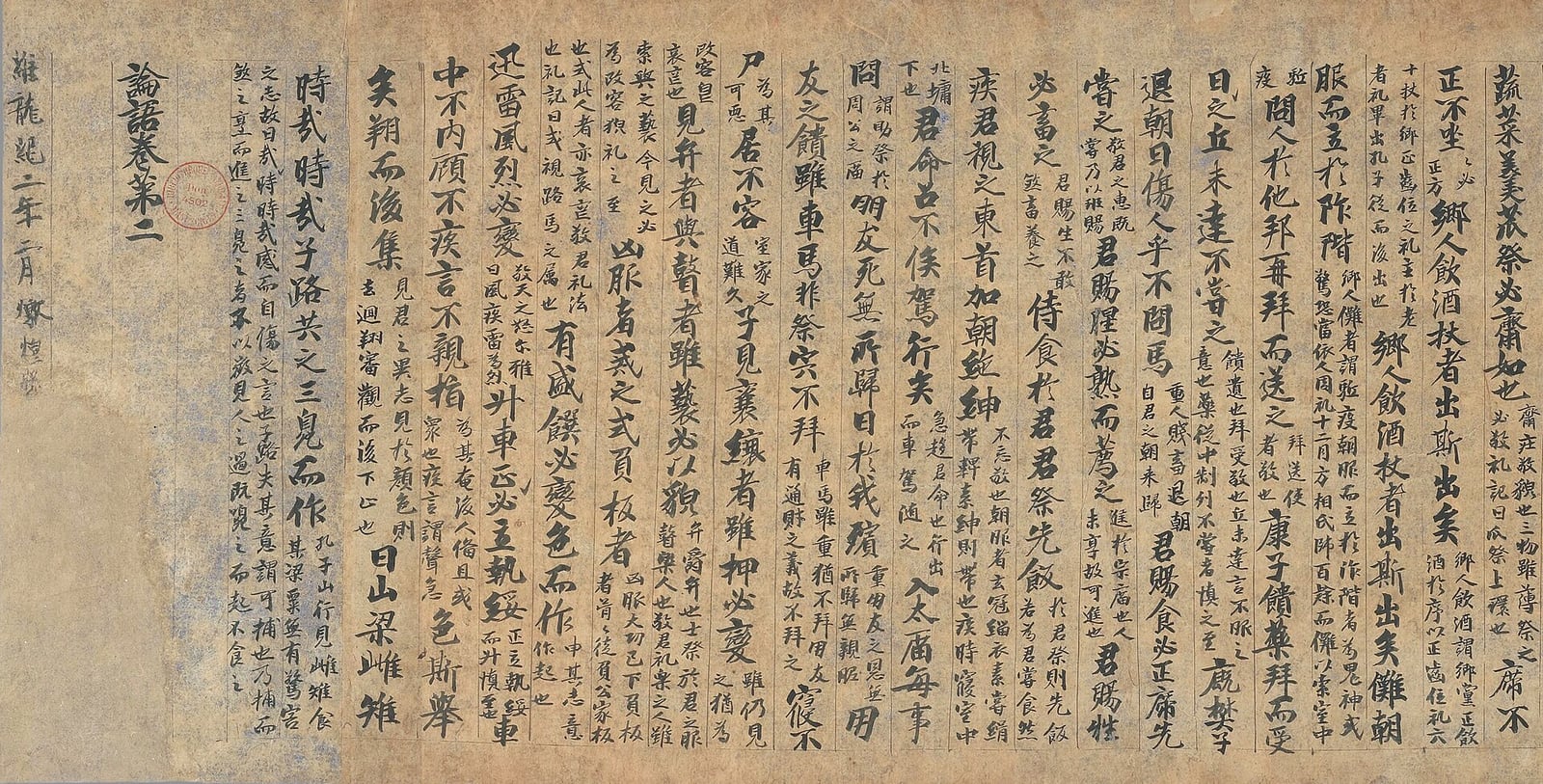
Zhu's major scholarly contribution centered on organizing and interpreting the ancient canon. While earlier Neo-Confucian scholars concentrated heavily on divination and cosmological speculation in the Classic of Changes, Zhu elevated four specific writings as the fundamental curriculum for ethical cultivation and statecraft: the Great Learning, the Doctrine of the Mean, the Mencius, and the Analects of Confucius. Across decades of scholarship, he composed exhaustive commentaries on these Four Books, reworking ideas drawn from thinkers like the Cheng brothers to ground classical philology in an integrated moral and metaphysical program.

Keep reading in Yester
Coming soon to the App Store
Keep following the story

Sources
- Zhu Xi (Stanford Encyclopedia of Philosophy)
- Zhu Xi (Internet Encyclopedia of Philosophy)
- Zhu Xi, by Hoyt Cleveland Tillman (EBSCO Research Starters)
- Zhu Xi (Encyclopaedia Britannica)
- Ningzong's mourning rites and the Qingyuan proscription (Journal of Zhejiang University, Humanities and Social Sciences)
- Zhu Xi
Image: Unknown Chinese artist