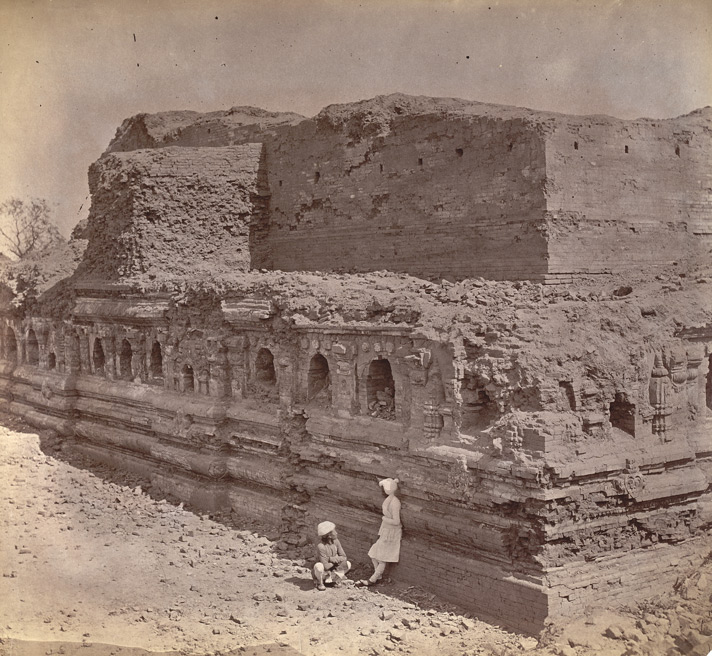
Nalanda Becomes a Meeting Place for Buddhist Learning
A monastic center brought scholars and students into a network that stretched far beyond India.
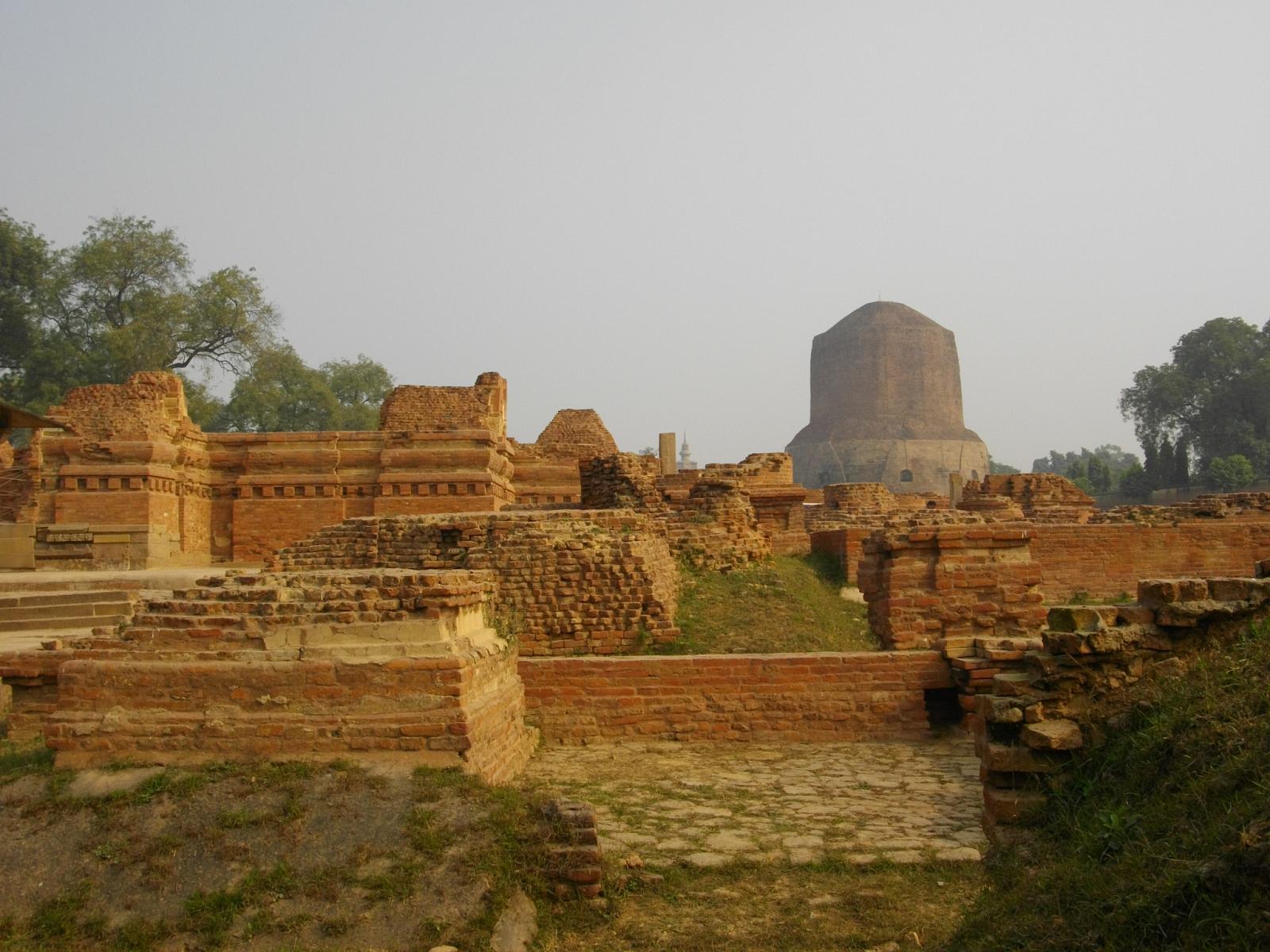
During the fifth century, the monastic complex of Nalanda began operating in the ancient region of Magadha, located in modern-day Bihar. Seal inscriptions and numismatic discoveries connect its initial monastic foundation to the Gupta monarch Kumaragupta I, also known as Shakraditya. Earlier traditions preserved in Buddhist and Jaina texts linked the locality to Gautama Buddha, his disciple Shariputra, and Mahavira, with some literary accounts asserting an early monastic foundation under Ashoka. The relationship between these early traditions and the surviving remains is debated. The major monastic and scholastic establishment developed from the fifth century CE onward.
Nalanda rapidly expanded through royal and regional patronage into a sprawling residential sanctuary. The institution's material security rested on royal endowments, with monarchs assigning the tax revenues of entire villages to supply food, butter, milk, and clothing to resident monks. Endowments came not only from Buddhist rulers but also from Hindu dynasties and foreign courts. Discoveries of official seals bearing images of deities such as Ganesha, Durga, and Lakshmi demonstrate the wide religious background of the institution's donors, while subsequent gifts arrived from beyond the subcontinent, including an endowment arranged by Balaputradeva, a ninth-century ruler of the Shailendra dynasty in Sumatra.

Keep reading in Yester
Coming soon to the App Store
Keep following the story
Sources
Image: Beglar, Joseph David (1872)