The Message That Outran the Messenger
A message traveled between Washington and Baltimore without anyone carrying it down the road. Behind the celebrated demonstration stood collaborators, a code and a newly built line.
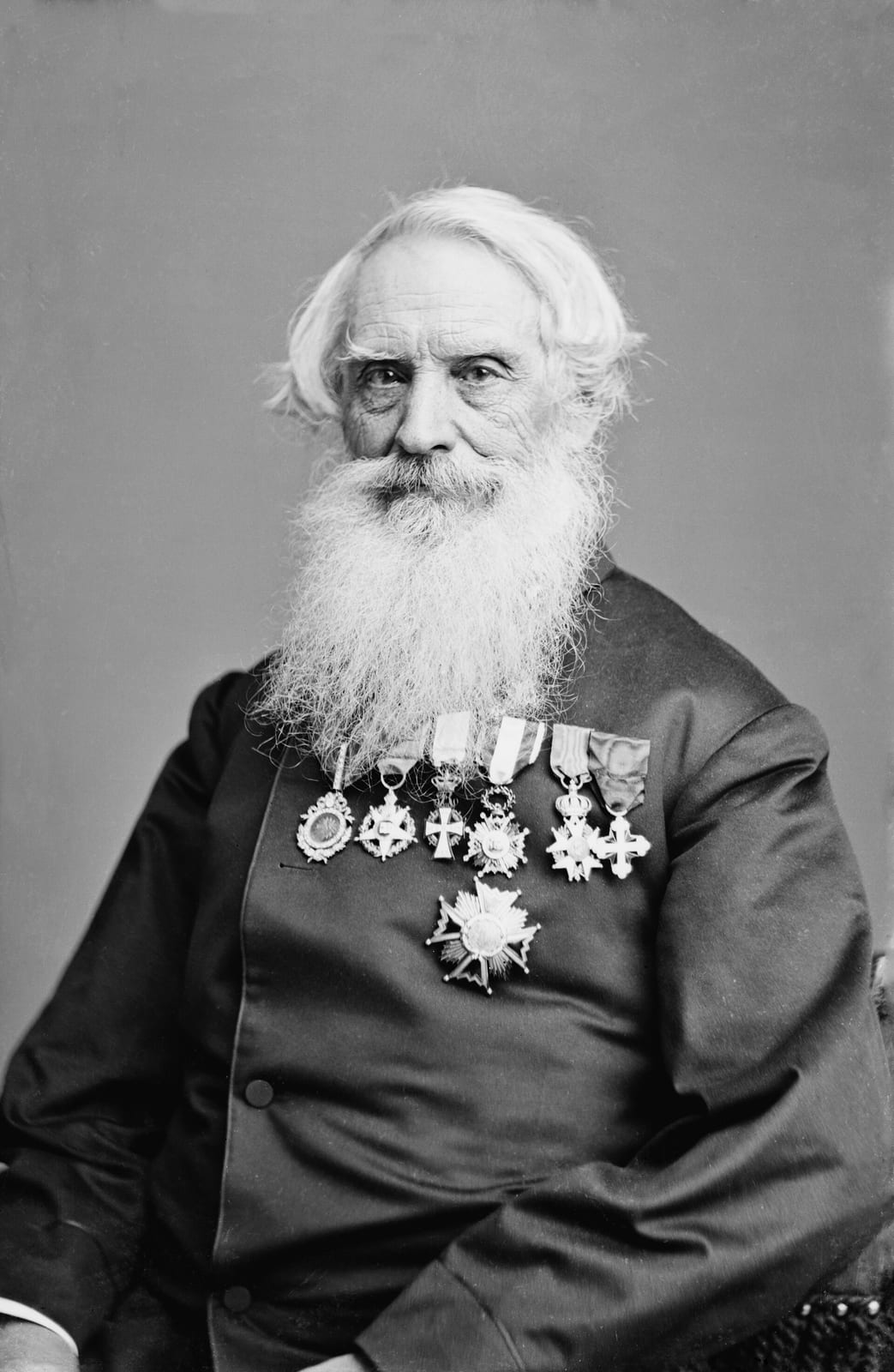
On May 24, 1844, Samuel Morse sent a message from Washington to Alfred Vail in Baltimore. Its words, drawn from the Bible, asked what God had brought about. Vail returned them over the same experimental telegraph connection. The exchange was brief, but the physical situation was new enough to command attention: the message had arrived without a rider, train or boat carrying it from one city to the other. Information had crossed the distance as electrical signals.
Morse had worked as an artist before becoming closely associated with the telegraph. His name eventually attached itself to both the apparatus and its code, but the demonstration was not the work of an isolated inventor. Vail brought mechanical skill, financing and changes to the equipment. Other researchers had supplied important knowledge about electromagnetism. Recovering those contributions makes the achievement more understandable. A message could reach Baltimore only after a collection of scientific ideas had become a dependable working arrangement.

Keep reading in Yester
Coming soon to the App Store
Keep following the story
Sources
Image: Mathew Benjamin Brady