A Conversation Beneath the Atlantic
Connecting continents took more than a clever instrument. A working telegraph cable had to survive manufacture, an ocean crossing and the failures of earlier attempts.
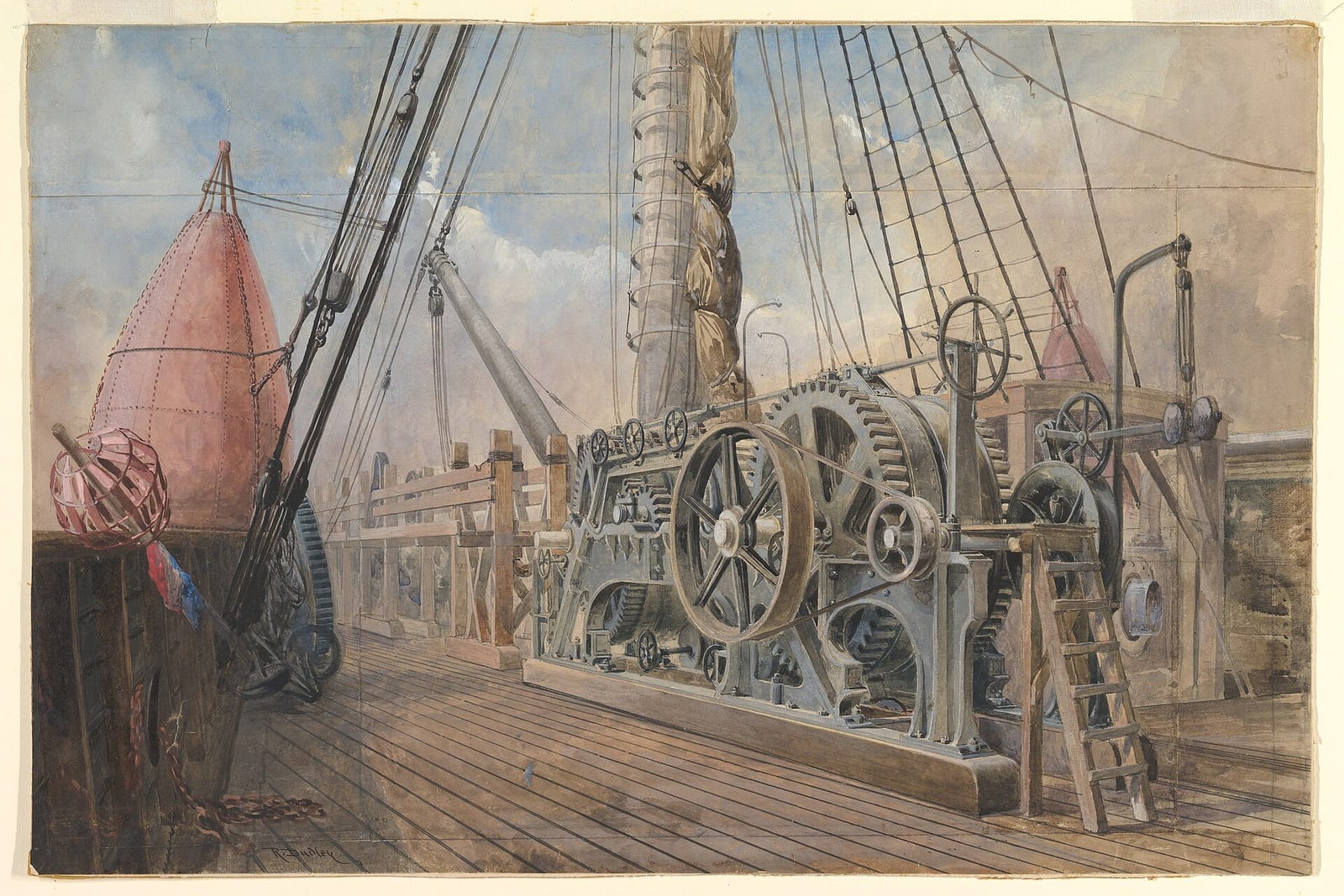
A message crossing the Atlantic once had to wait for a ship. In 1866, a working submarine telegraph connection joined Ireland and Newfoundland, allowing information to cross without making the voyage on paper. The change sounded almost weightless: words could arrive far ahead of a vessel. Producing it required something extremely heavy and physical. An immense length of insulated cable had to be manufactured, loaded, paid out behind a ship and left intact on the ocean floor.
Cyrus Field became the best-known organizer of the enterprise, bringing together financial support and technical effort on both sides of the Atlantic. His role did not make the ocean problem a matter of determination alone. The project depended on manufacturers, electrical specialists, navigators and crews who could handle the cable under difficult conditions. A successful connection required their separate tasks to work as one operation. Money could fund another attempt, but it could not make a broken conductor carry a clear message.

Keep reading in Yester
Coming soon to the App Store
Keep following the story
Sources
Image: Robert Charles Dudley