A Power Station Becomes the Tate Modern
A disused power station on the Thames reopened as a museum of modern art.
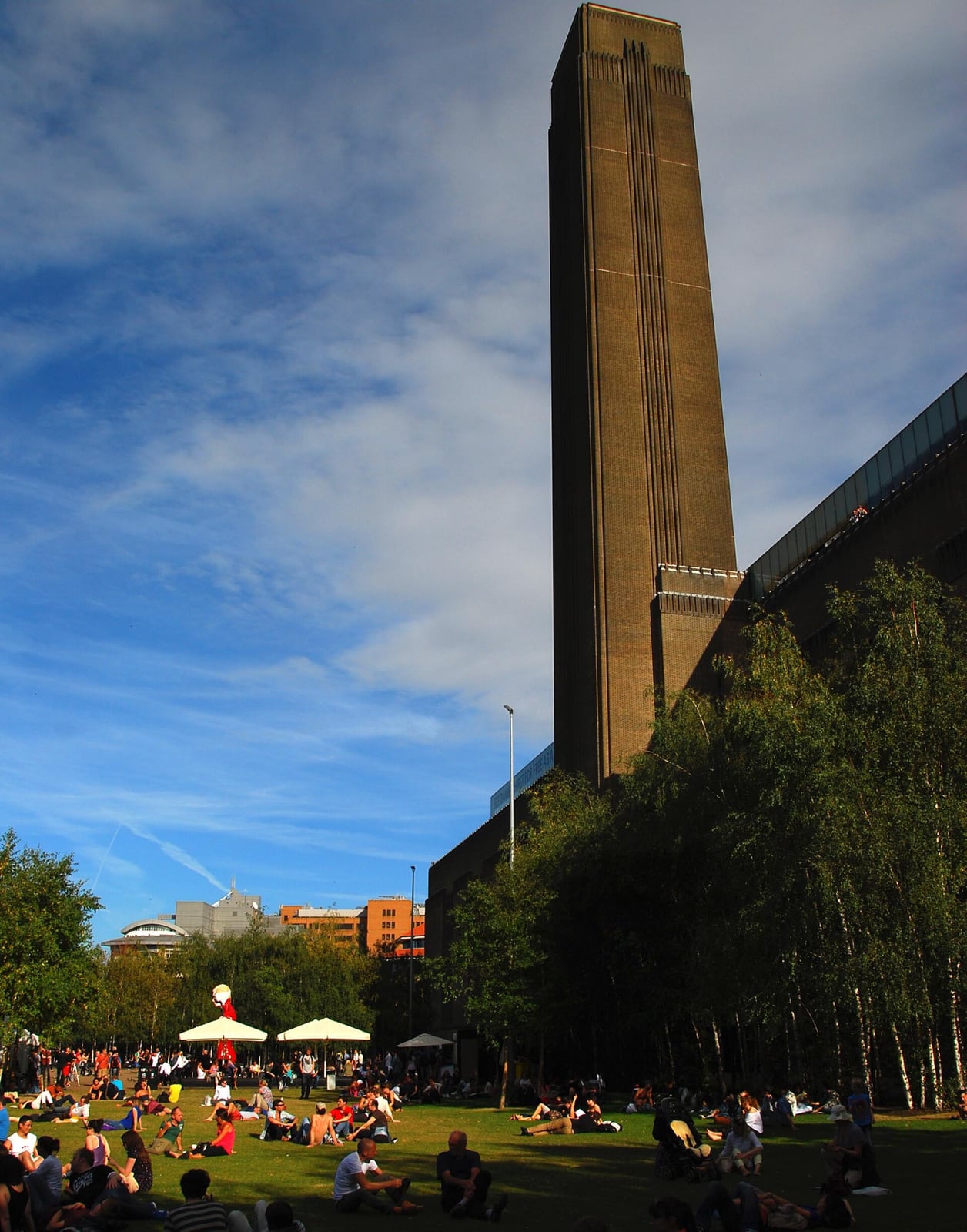
Bankside Power Station stood on the south bank of the River Thames directly across from St Paul's Cathedral. Designed by Sir Giles Gilbert Scott, the steel-framed and brick-clad structure was built in two stages between 1947 and 1963, featuring a prominent 99-metre central chimney and a vast interior divided into a central turbine hall, a northern boiler house, and a southern switch house. Following its decommissioning in 1981, the site remained disused for over a decade. Developers considered tearing it down, and an application to grant the building official listed protection was rejected. However, public campaigns argued against demolition and proposed alternative uses for the industrial complex.
A decisive turning point came in April 1994, when the Tate Gallery selected Bankside as the new location to house the national collection of international modern and contemporary art produced since 1900. Tate had previously shared its Millbank site with British historic art displays and needed a dedicated home for its growing twentieth-century holdings. Later that year, an international design competition was launched, and in January 1995 the Swiss architectural practice Herzog & de Meuron was awarded the commission. Their proposal retained the essential industrial profile of the building while converting it into an expansive cultural institution.

Keep reading in Yester
Coming soon to the App Store
Keep following the story


Sources
- History of Tate Modern (Tate)
- Constructing Tate Modern (Tate)
- Tate Modern, May 2000 - May 2001: A summary of the first year (Tate press release)
- Leading Artists help to launch Tate Modern (Tate press release)
- Tate Modern: Queen opens flagship developments (London SE1)
- Tate Modern (Institution of Civil Engineers)
- Tate Modern's new extension to be renamed Blavatnik Building (ArtReview)
- Tate Modern
Image: Rob Deutscher from Melbourne, Australia