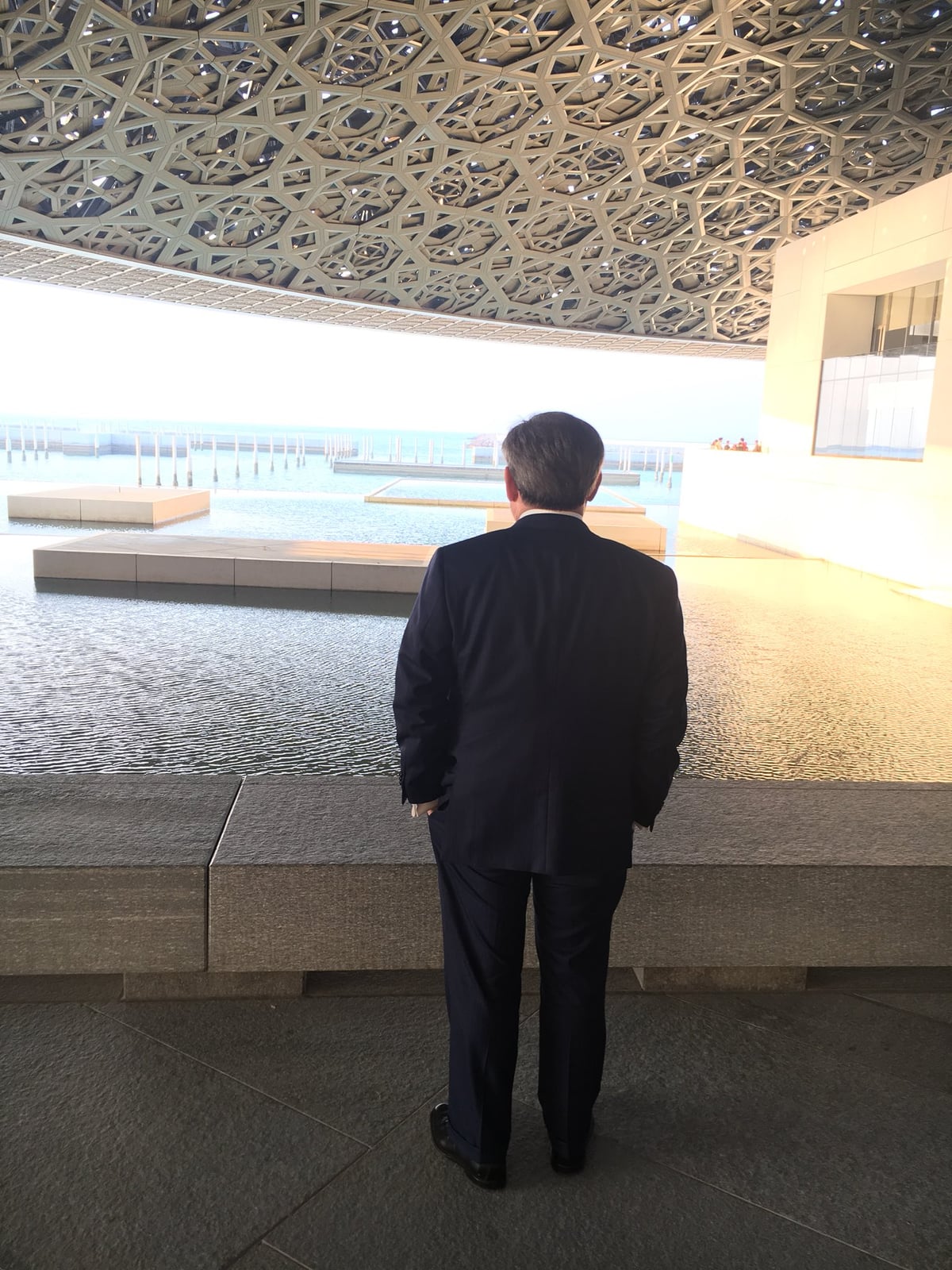
The Louvre Abu Dhabi Opens Under a Dome of Light
A museum on an island in the Gulf brought a famous name to the Arab world.
In the mid-2000s, the United Arab Emirates and France negotiated a plan to establish an art museum in Abu Dhabi carrying the name of the Louvre, leading to an intergovernmental agreement signed on 6 March 2007. Under the 30-year accord, Abu Dhabi secured the right to use the Louvre name, borrow artworks from French museums, and receive French expertise and exhibitions in exchange for about one billion euros, of which roughly 525 million dollars covered the use of the name alone.
The initiative formed an anchor for Saadiyat Island, envisioned by local authorities as an expansive cultural district alongside planned institutions like the Guggenheim Abu Dhabi. The French architect Jean Nouvel was chosen to design the complex. In France the agreement prompted intense debate: thousands of people, among them museum directors, curators and art historians, signed an online petition in protest, warning against what critics viewed as the commercialization of national heritage, while proponents maintained that international cultural engagement would strengthen ties and fund French institutions.

Keep reading in Yester
Coming soon to the App Store
Keep following the story
Sources
- Iconic French Museum Opening Branch In Middle East (NPR, 12 Mar 2007)
- Louvre selling out (Marketplace, 8 Mar 2007)
- Emirates want Louvre branch in Abu Dhabi (AP via Asharq Al-Awsat, Jan 2007)
- Critics have lost battle, says minister (The National)
- Communique conjoint France - Emirats arabes unis a l'occasion de la visite du President de la Republique (Elysee)
- Louvre Abu Dhabi contract extended until 2047 (AFP via Hurriyet Daily News)
- Abu Dhabi awards contract for branch of Louvre (Reuters via Ahram Online)
- UAE: Abuses at NYU, Louvre, Guggenheim Project (Human Rights Watch)
Image: Office of U.S. Deputy Energy Secretary