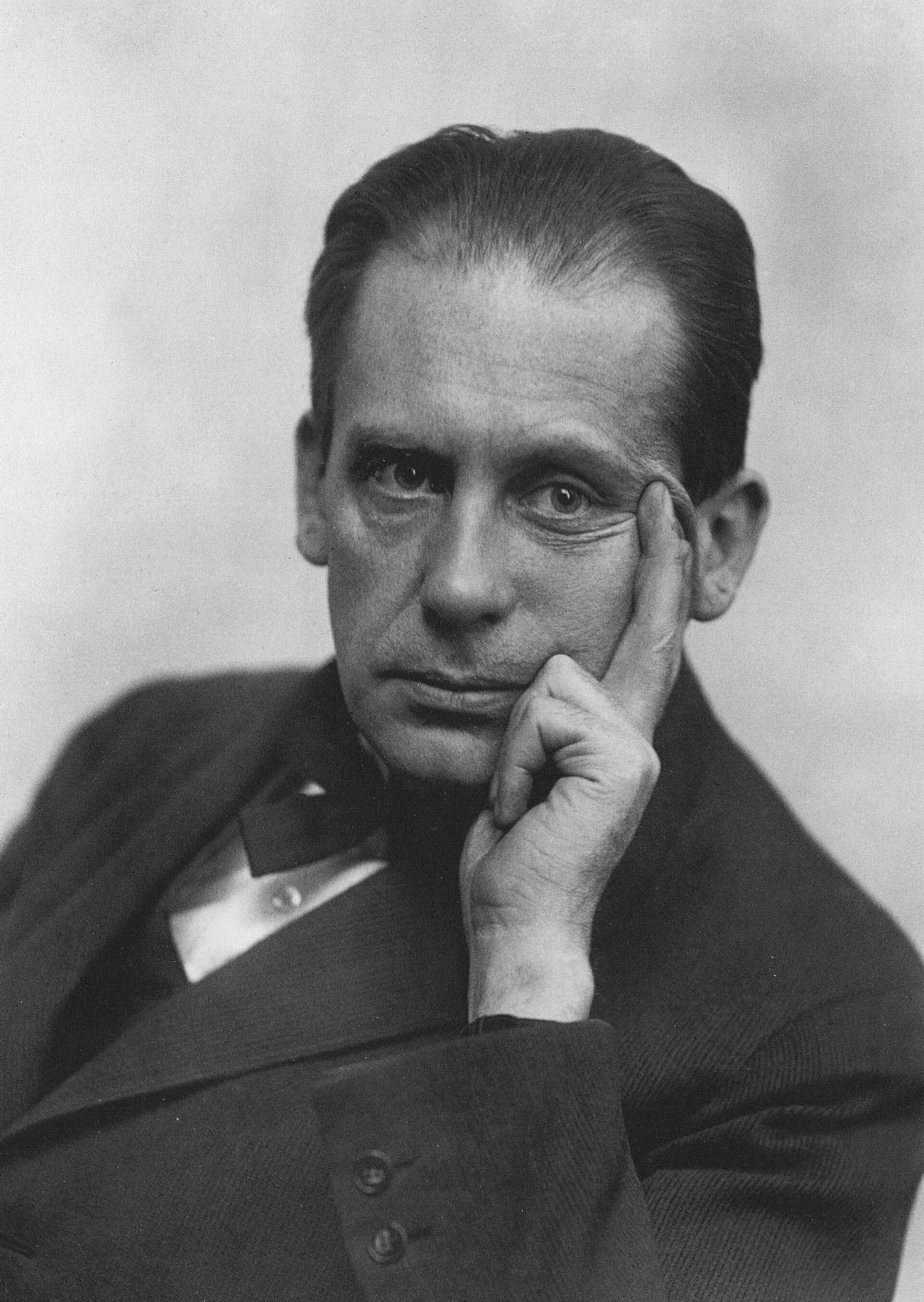
The Bauhaus Turns a School into a Design Experiment
The Bauhaus was more than a look. Its workshops tested how art, craft and industry might change everyday life, while the school struggled with contradictions of its own.
When Walter Gropius founded the Bauhaus in Weimar in 1919, he was not simply naming a new visual style. He was proposing a school in which art, craft and building could be brought into a different relationship. Germany had emerged from a devastating war and political upheaval. The question of how to make a new society could reach all the way down to the objects people used, the rooms they inhabited and the skills through which those things were produced.
Students began by exploring materials, form and color rather than immediately specializing in a familiar artistic discipline. Workshops offered practical settings for learning: weaving, metalwork, cabinetmaking and other activities placed ideas in contact with tools and physical resistance. This mattered because a drawing that looks convincing on paper may fail as an object. The school treated making as a form of thinking. A surface, a joint or a repeated pattern could become the site of an argument about design.

Keep reading in Yester
Coming soon to the App Store
Keep following the story

Sources
- 14 Years of Bauhaus: A Chronology From Its Founding in 1919 to Its Closure in 1933 (Bauhaus-Archiv / Museum für Gestaltung)
- Phasen (Bauhaus Kooperation)
- Weaving (Bauhaus Kooperation)
- Bauhaus women: From Design Object to Subject (Bauhaus Kooperation)
- Bauhaus: 1919–1928 (Museum of Modern Art)
- Metropolitan Museum: the Bauhaus