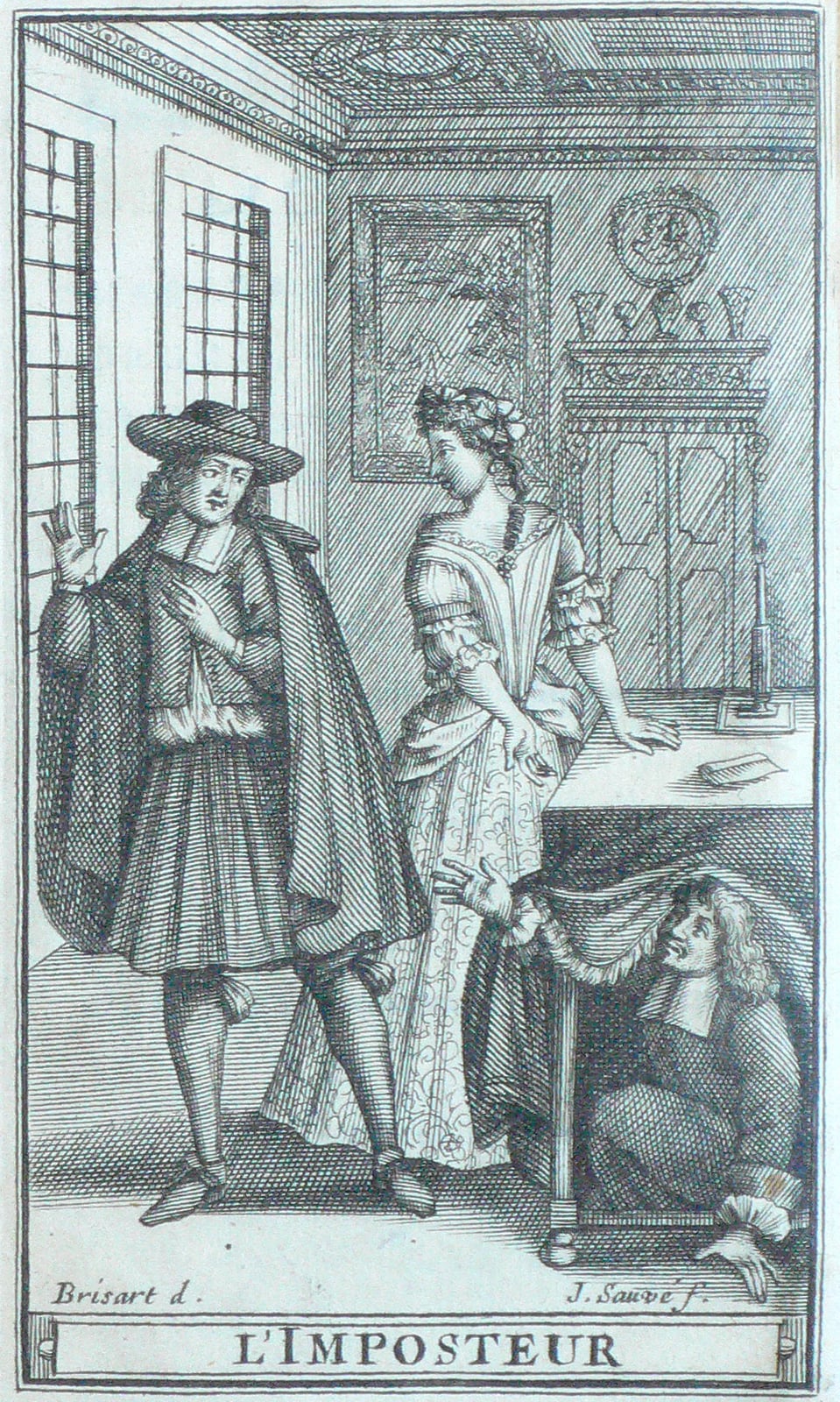
Tartuffe Turns Religious Hypocrisy into a Theatrical Conflict
Molière’s comedy faced bans before reaching the stage in revised form.
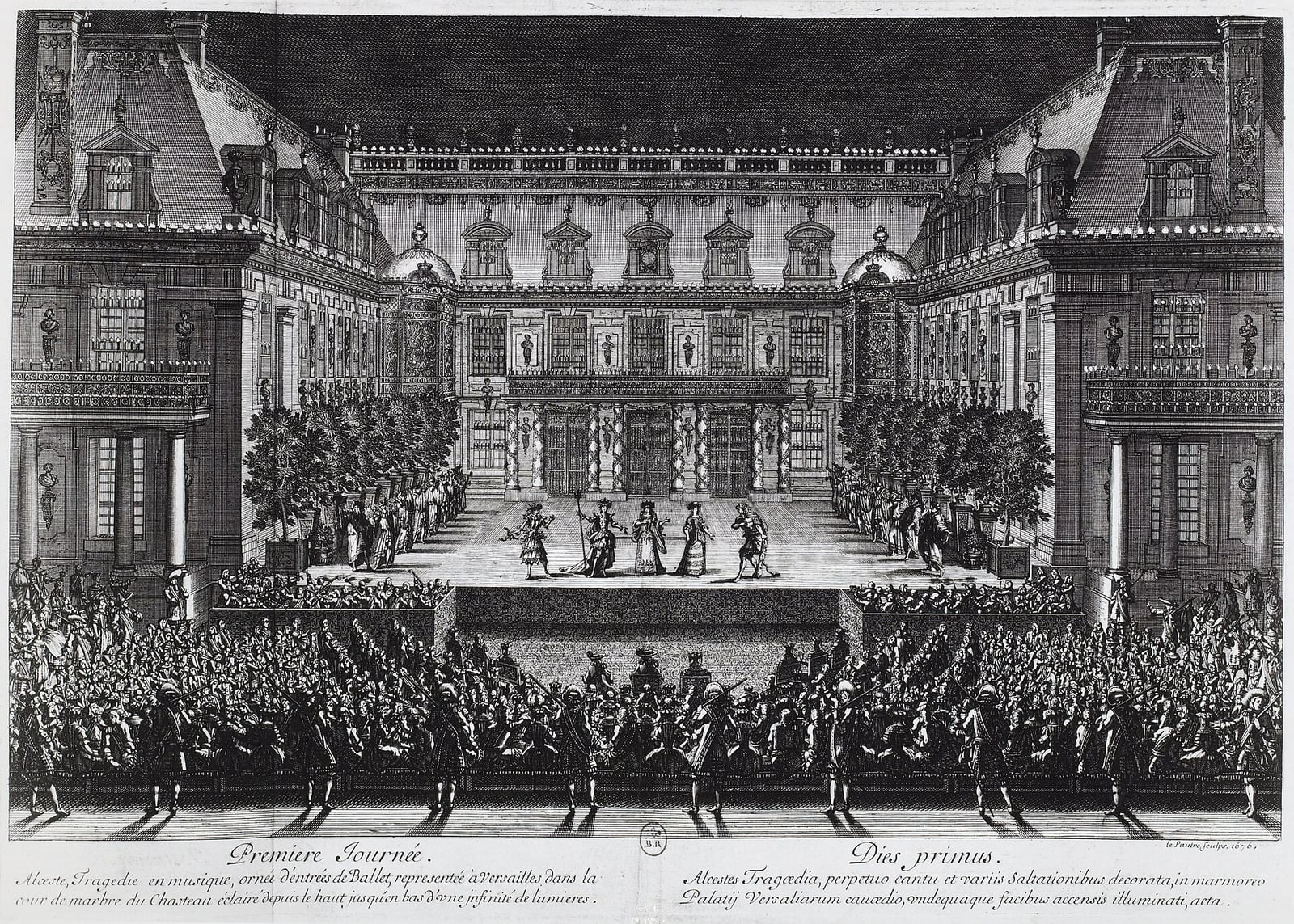
On 12 May 1664, Molière staged a three-act version of Tartuffe at the Palace of Versailles during the royal festivities known as Les Plaisirs de l'île enchantée. King Louis XIV found the comedy entertaining, yet public performances were swiftly forbidden. Official explanations maintained that the play risked confusing authentic Christian devotion with hypocritical posturing, noting that vulnerable viewers might struggle to tell virtue from vice. The suppression was heavily influenced by prominent church figures, notably Paul Philippe Hardouin de Beaumont de Péréfixe, the Archbishop of Paris, who also served as the king's confessor and former tutor.
The text of this original 1664 version did not survive into print, provoking enduring debate among literary historians regarding its precise contents. Many analysts suggest the initial staging consisted of the first three acts of the eventual five-act play, while the scholar John Cairncross proposed that it comprised acts one, three, and four. Despite the public prohibition, aristocratic patrons arranged private performances later that year. The Duke of Orléans hosted a showing at Villers-Cotterêts in September 1664, and the Prince of Condé sponsored a performance of the complete play at Le Raincy that November.

Keep reading in Yester
Coming soon to the App Store
Keep following the story
Sources
Image: Pierre Brissart