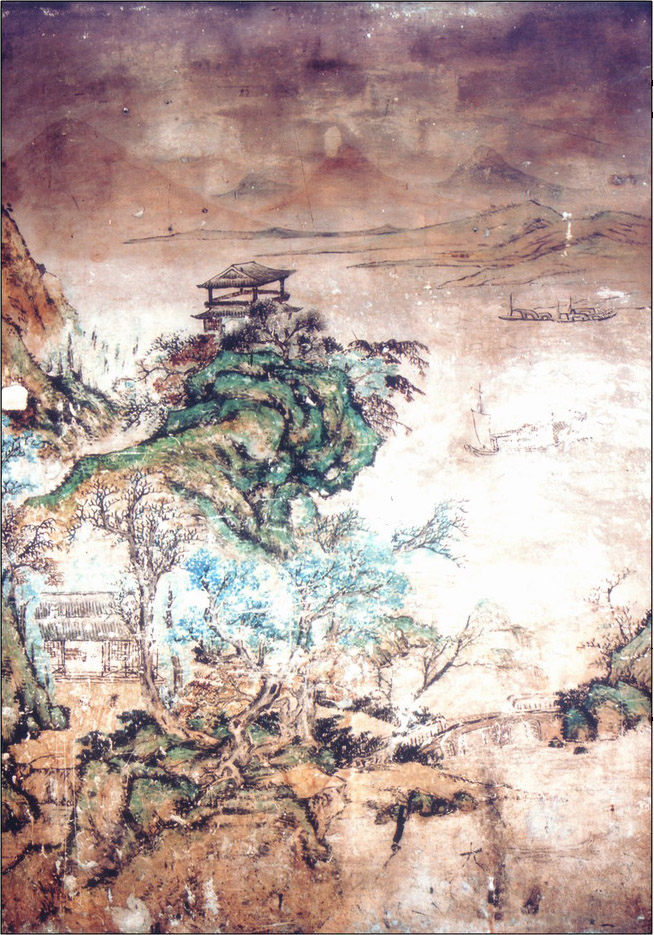
The Taiping Rebellion Challenges the Qing Dynasty
A religious movement became one of the deadliest civil wars in history.
In January 1851, the God Worshipping Society rose in rebellion in the southern province of Guangxi, and its leader Hong Xiuquan proclaimed the Taiping Heavenly Kingdom, taking the title Heavenly King. Hong was an ethnic Hakka who had experienced intense visions after repeatedly failing the civil service examinations. Interpreting these dreams through Christian missionary tracts, he came to believe he was the younger brother of Jesus Christ, chosen to purge China of Confucian teachings and overthrow the ruling Manchu Qing dynasty.
Driven by this syncretic ideology, the rebel army marched northward out of Guangxi and swept down the Yangtze River valley. In March 1853, Taiping forces captured Nanjing, renamed it Tianjing, and established it as their capital. The movement instituted radical social policies, including the communal reallocation of land, prohibitions on foot binding and opium smoking, and strict segregation between the sexes. When they stormed Nanjing, the rebels killed the Qing garrison and, by one account, some 30,000 civilians.

Keep reading in Yester
Coming soon to the App Store
Keep following the story
Sources
Image: Unknown author Unknown author