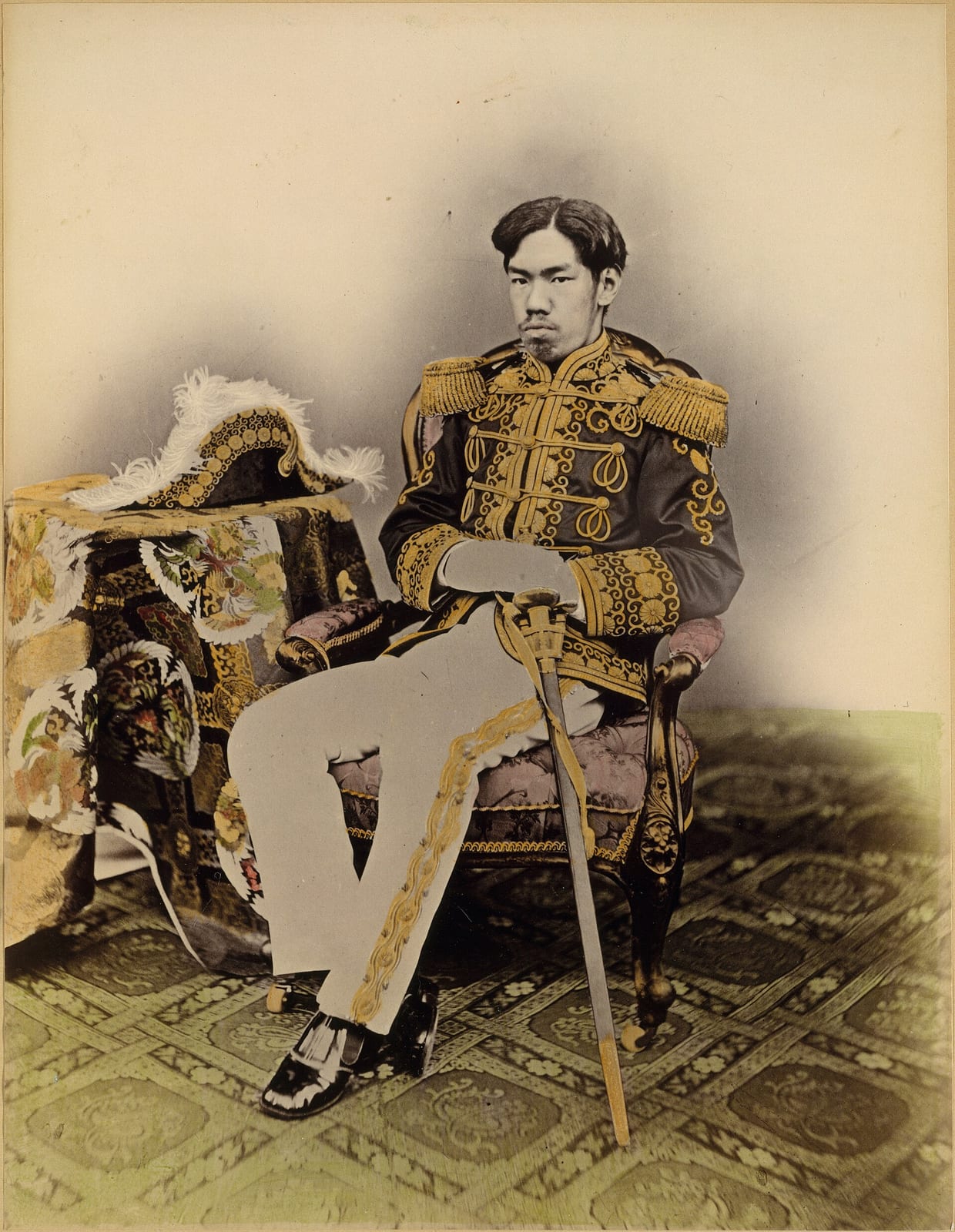
Japan Rebuilds Its State Around an Emperor
The Meiji Restoration promised a return to imperial rule. What followed was a radical rebuilding of government, education and military power, with costs as well as opportunities.
The political change announced in Japan in 1868 called itself a restoration. Authority was being returned to the emperor after centuries in which shoguns had exercised governing power. Yet the new regime did not simply restore an earlier way of life. Over the following decades it reorganized administration, military service and education. An appeal to ancient legitimacy became the language through which leaders pursued a remarkably extensive transformation of the state.
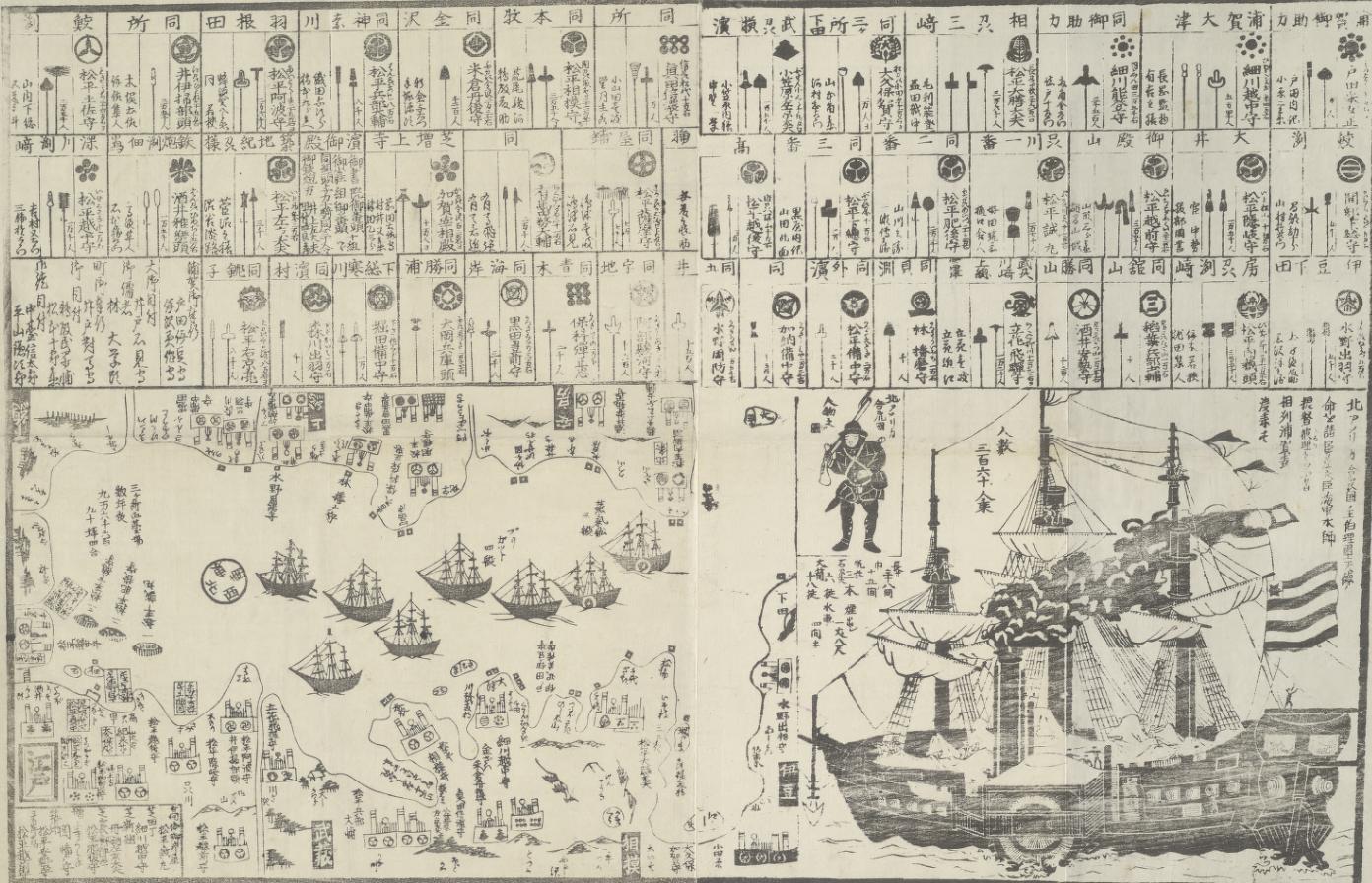
Japan was not a blank slate waiting for foreign ideas. The world that had produced The Great Wave also contained commercial networks, literate communities and institutions through which knowledge circulated. The crisis of the shogunate intensified as foreign powers pressed for access, but arguments about the future of government developed within Japan. The restoration drew on that debate. It involved competing proposals and political actors, not one emperor personally designing every institution that followed.

Keep reading in Yester
Coming soon to the App Store
Keep following the story
Sources
Image: Uchida Kuichi