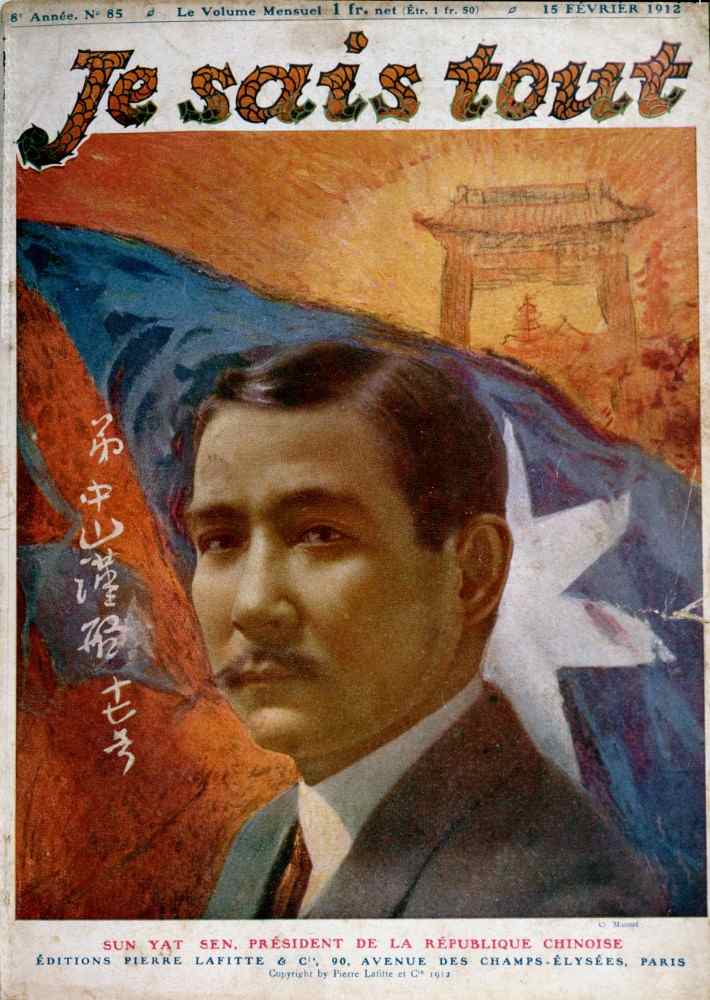
The 1911 Revolution Ends China’s Imperial Order
A regional uprising became a national crisis that ended the Qing dynasty without settling China’s political future.
On 10 October 1911, mutinous units of the modernized New Army launched the Wuchang Uprising in central China. The revolt triggered a rapid wave of provincial defections against the ruling Qing dynasty, transforming a localized military mutiny into a nationwide challenge to the imperial order. Within months, revolutionary leaders organized regional coalitions, while the Qing court struggled to rally reliable military forces to maintain control over its collapsing territories.
The collapse emerged from decades of compounding pressures and failed adjustments. Following consecutive defeats against foreign powers and internal rebellions throughout the nineteenth century, the imperial government attempted institutional overhauls, including educational modernizations, administrative restructuring, and military reforms. However, conservative court resistance, fiscal strain, and growing resentment against Manchu predominance convinced radical circles, secret societies, and overseas students that saving China required the complete overthrow of the monarchy.

Keep reading in Yester
Coming soon to the App Store
Keep following the story
Sources
- (6) The 1911 Revolution: Wuchang Uprising (Academy of Chinese Studies, Splendid Chinese Culture)
- (2) The North-South Peace Conference and Yuan Shikai's Ascendancy as the Provisional President (Academy of Chinese Studies)
- (3) The Abdication of the Qing Emperor and the End of the Chinese Monarchy (Academy of Chinese Studies)
- Revolutionary Republic (Hoover Institution, Stanford University)
- 1911 Revolution
Image: French magazine Je Sais Tout