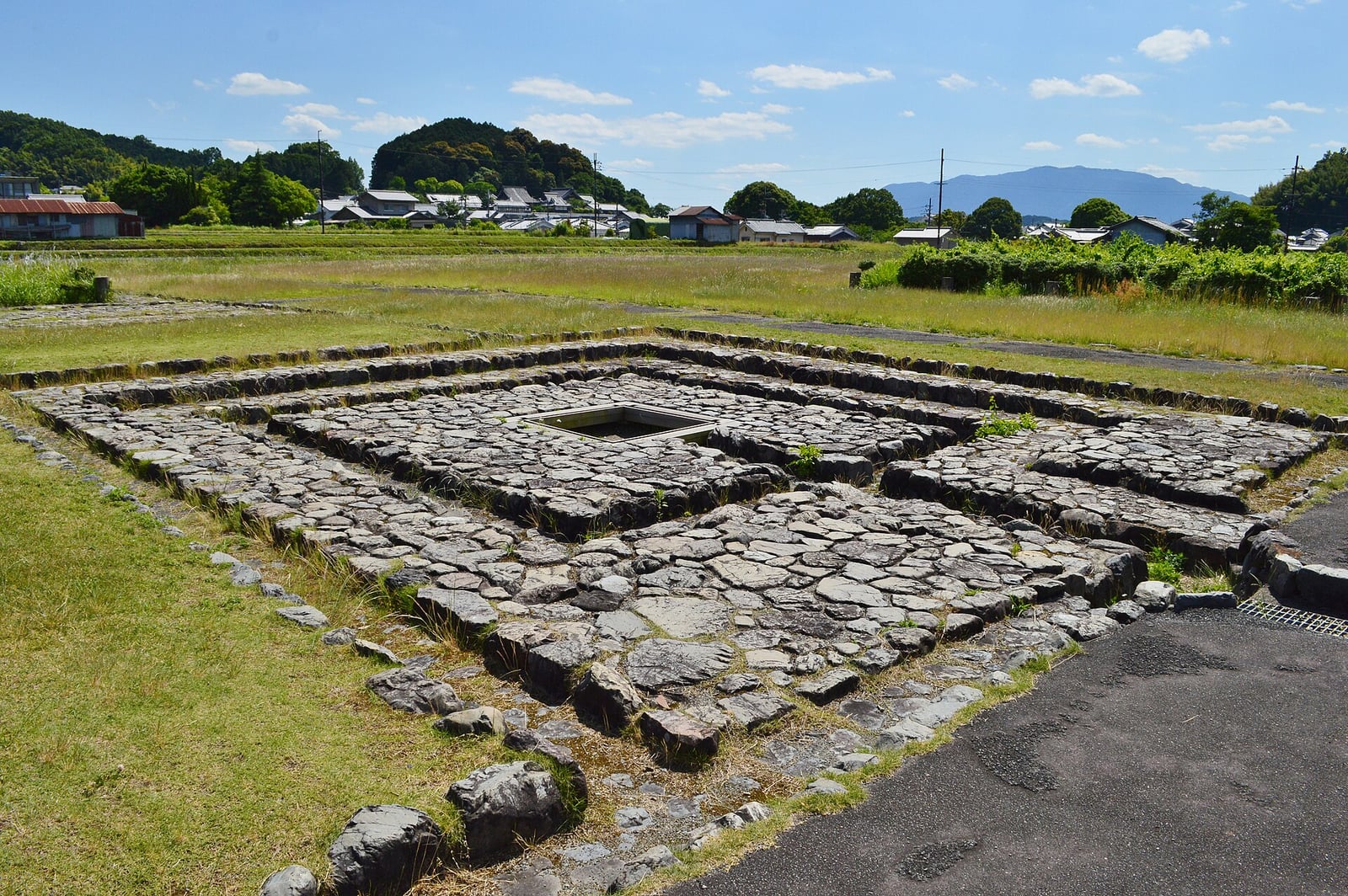
The Taika Reforms Remake the Japanese State
A palace coup led to reforms modeled on Tang China’s government.
In 645, political violence at the Yamato court altered the administration of Japan. Following the death of Prince Shotoku, the Soga clan had consolidated power over the imperial family. The clan leader, Soga no Iruka, held dominant authority within the court and had eliminated Shotoku's son, Yamashiro Oe, two years earlier. Opponents of this Soga dominance, including Empress Kogyoku's son Prince Naka no Oe and his ally Nakatomi no Kamatari, staged a coup known as the Isshi incident. They assassinated Iruka and overthrew the regime, prompting Empress Kogyoku to step down from the throne.
Following the coup, Kogyoku's brother Karu ascended the throne as Emperor Kotoku. Together with Prince Naka no Oe and Nakatomi no Kamatari, the new ruler declared the era name of Taika, meaning Great Reform, and introduced a transformative program to reorganize the realm. To advise this effort, the government appointed scholars Takamuko no Kuromaro and the Buddhist priest Min as national doctors. Both men had previously traveled with diplomatic missions to Sui China and lived there for more than a decade, acquiring firsthand knowledge of mainland political and social institutions.

Keep reading in Yester
Coming soon to the App Store
Keep following the story
Sources
Image: Saigen Jiro