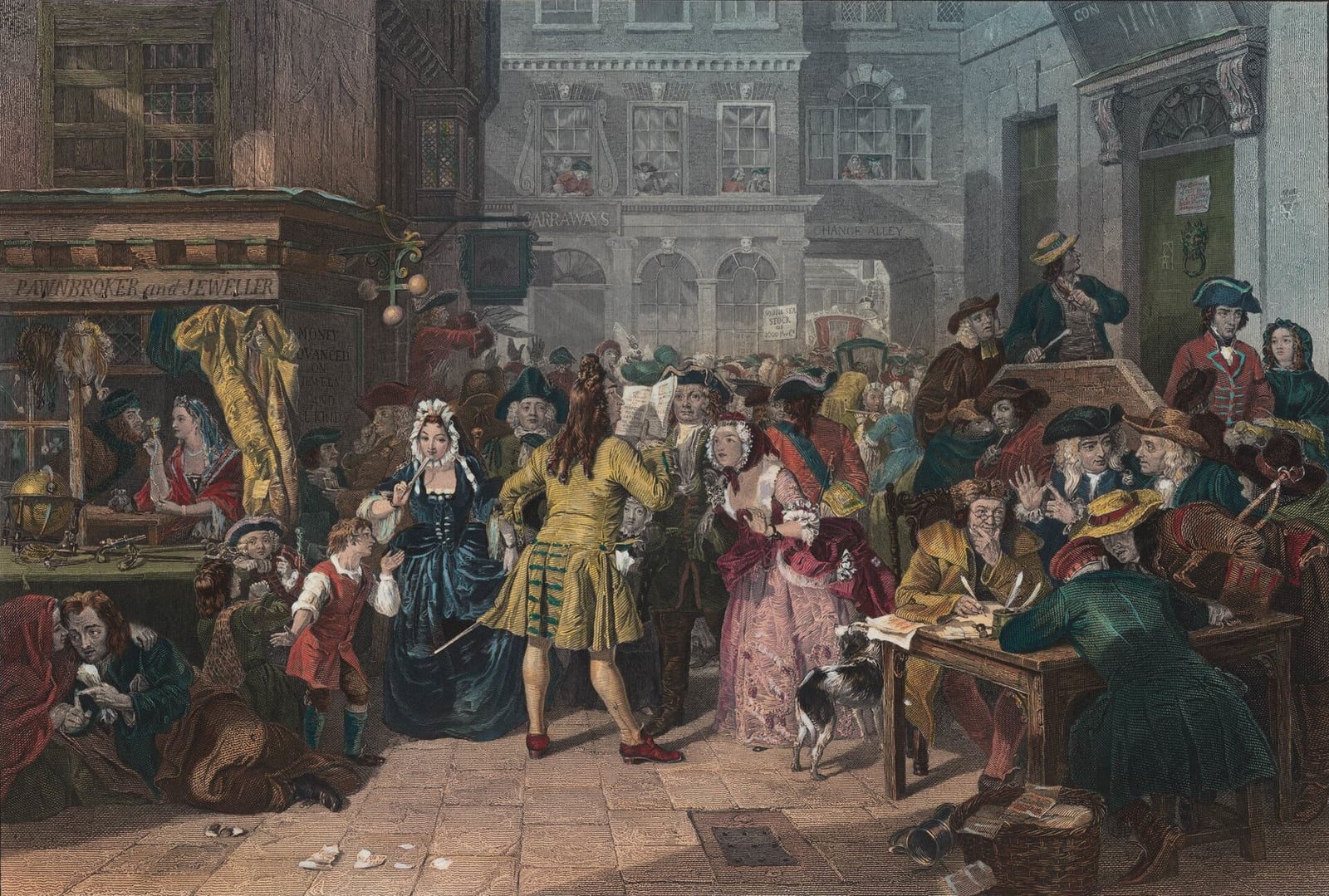
The South Sea Bubble Bursts
Shares in a trading company soared and collapsed within months.
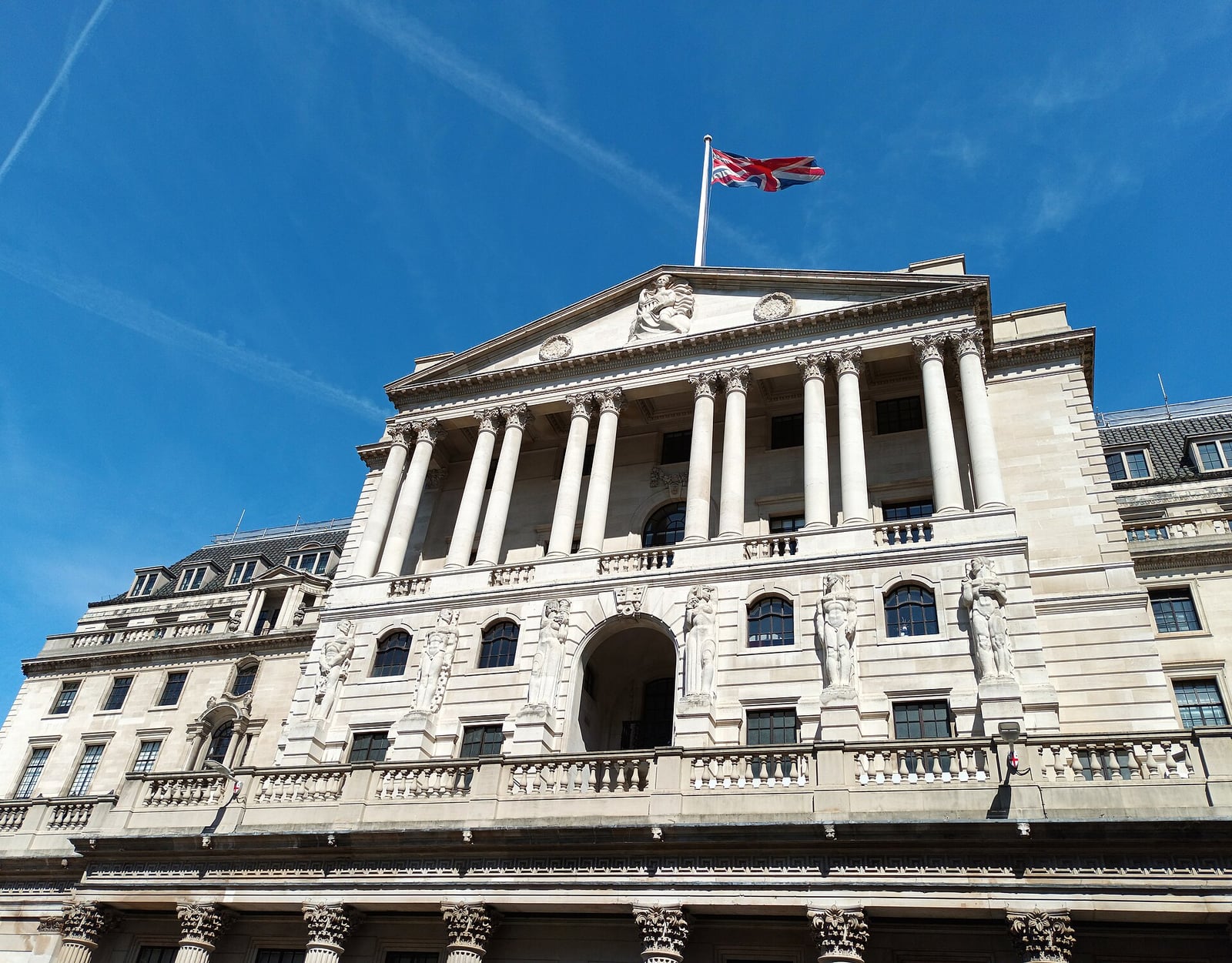
In 1711, British Chancellor of the Exchequer Robert Harley and his associates established the South Sea Company to address a pressing national fiscal crisis. Great Britain was burdened by millions of pounds of unfunded government debt accumulated during the War of the Spanish Succession. Harley, seeking alternatives to the existing credit facilities offered by the Bank of England, devised a public-private partnership. Creditors were required to surrender their government debt in exchange for newly issued company stock of equal nominal value, while the government committed to an annual interest payment of six percent plus management expenses.
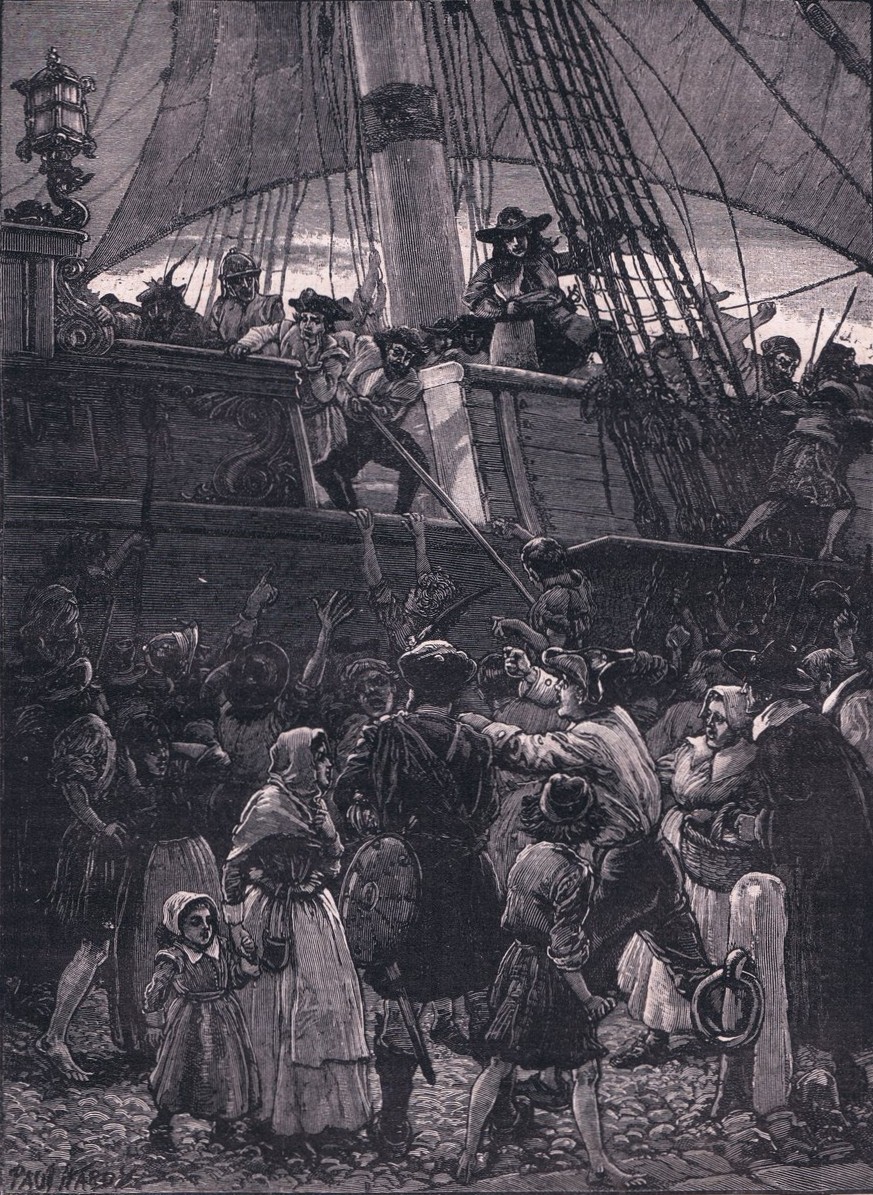
To attract investors, the Crown granted the enterprise a monopoly over British trade with South America and the surrounding waters, then termed the South Seas. This commercial promise expanded significantly following the 1713 Treaty of Utrecht, which awarded Britain the Asiento de Negros. Under this thirty-year agreement, the company received the exclusive right to transport 4,800 enslaved Africans per year to Spanish colonial ports, alongside permission to dispatch one annual commercial ship of merchandise. In practice, the trade proved fraught with friction. Tensions with Spanish authorities, high import duties, and warfare repeatedly disrupted operations, preventing the company from ever realizing substantial profits from its overseas commerce.

Keep reading in Yester
Coming soon to the App Store
Keep following the story
Sources
Image: Edward Matthew Ward