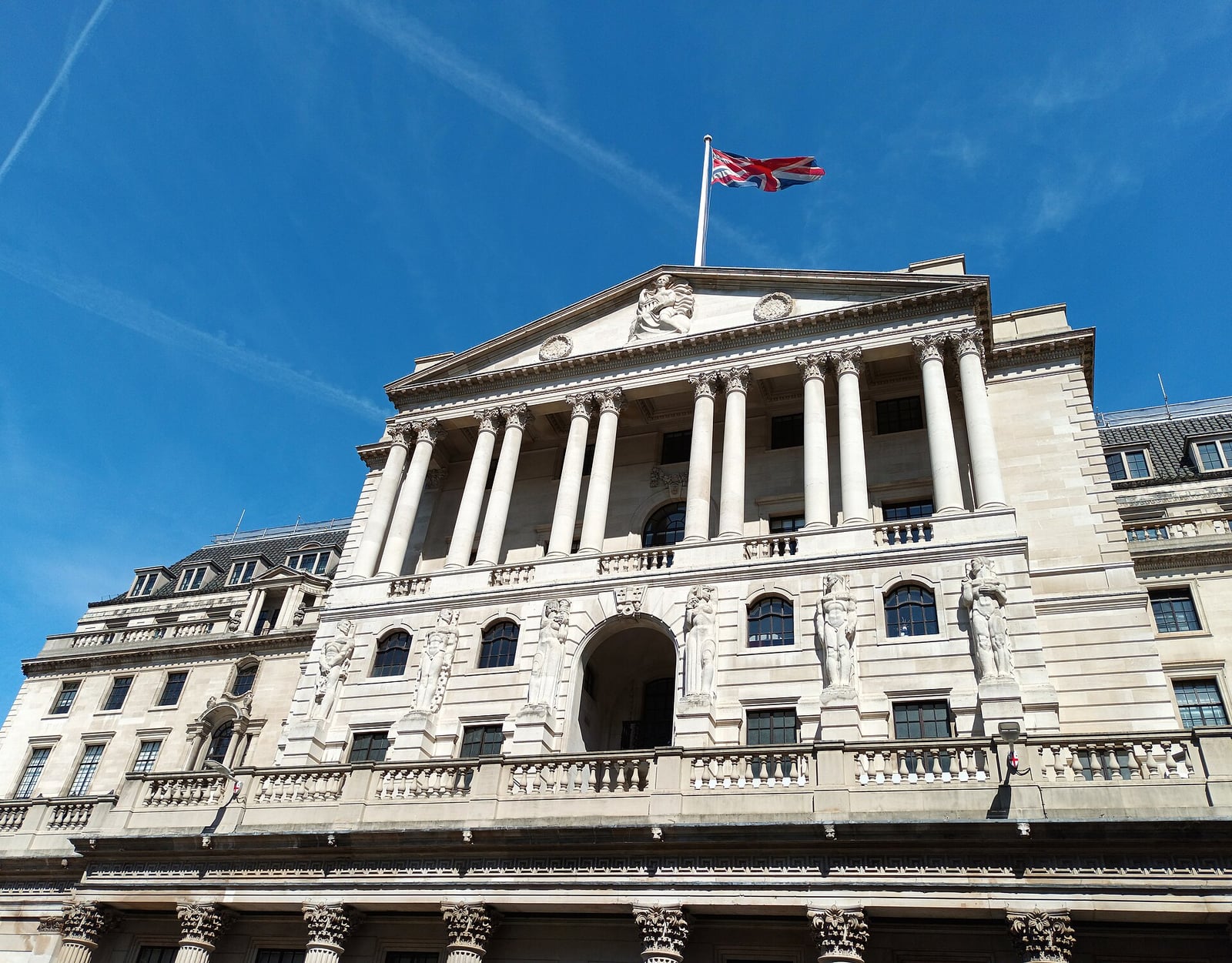
The Bank of England Is Founded to Fund a War
A loan to the crown created one of the first central banks.
In 1690, the Royal Navy suffered a defeat against the French fleet at the Battle of Beachy Head during the Nine Years' War. The English government under King William III resolved to rebuild naval strength to contest French power on equal terms, but the crown encountered severe obstacles. Depleted public finances and poor government credit made it impossible to borrow the desired 1.5 million pounds through ordinary channels. To overcome this impasse, ministers turned to a proposal previously championed by the Scottish merchant William Paterson, who suggested incorporating a society of investors to lend money directly to the state in exchange for regular interest.
Parliament approved the project in 1694 by passing the Tonnage Act, which secured funds for interest payments by levying new duties on shipping tonnage and alcoholic liquors. Under the statute, subscribers were invited to advance 1.2 million pounds to support the war against France, with the state promising an annual interest rate of 8 percent alongside a 4,000-pound yearly management fee. To attract private capital, investors were incorporated under the title of the Governor and Company of the Bank of England. The target of 1.2 million pounds was raised in under two weeks from 1,268 individuals, including merchants, titled aristocrats, and tradesmen, as well as King William and Queen Mary themselves.

Keep reading in Yester
Coming soon to the App Store
Keep following the story



Sources
Image: acediscovery