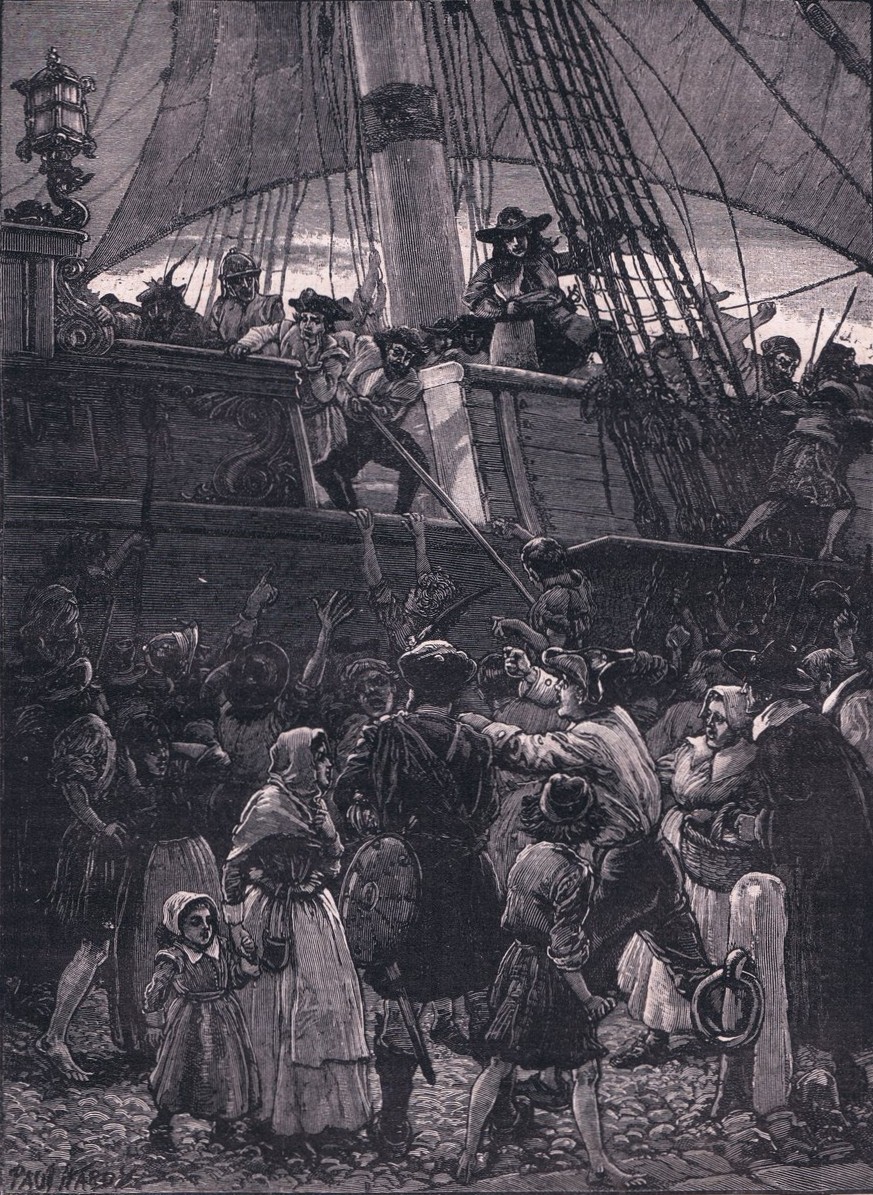
Scotland Bets Its Fortune on a Colony in Panama
A failed colony at Darién swallowed a huge share of Scotland’s capital.
In July 1698, five vessels carrying about 1,200 people departed the Scottish port of Leith on a mission to transform their nation into a global trading power. The Kingdom of Scotland had endured a devastating decade marked by domestic unrest, severe cold, and crop failures that caused widespread famine and killed an estimated 10 to 15 percent of its inhabitants. Eager to escape dependence on English commerce and emulate England's overseas mercantile wealth, the Scottish parliament chartered the Company of Scotland to trade with Africa and the Indies. Promoter William Paterson steered the initiative toward an ambitious imperial ambition: establishing a colony on the Isthmus of Panama to control an overland trade route connecting the Atlantic and Pacific oceans.
Raising capital for the venture exposed sharp political friction between the two kingdoms. When the company attempted to gather funds across northern Europe, the London-based East India Company objected to potential competition and pressured English and Dutch subscribers to withdraw. The English government also declined support out of concern over antagonizing Spain, which asserted control over the region. Barred from outside capital, the Company of Scotland turned inward, securing 400,000 pounds sterling entirely from Scottish investors across all ranks of society. This immense sum represented an estimated 15 to 40 percent of the circulating capital in Scotland, tying the domestic financial stability of the realm directly to the success of the expedition.

Keep reading in Yester
Coming soon to the App Store
Keep following the story

Sources
Image: Paul Hardy