
Sophocles Stages Oedipus the King
A tragedy about a king who searches for a murderer and finds himself.
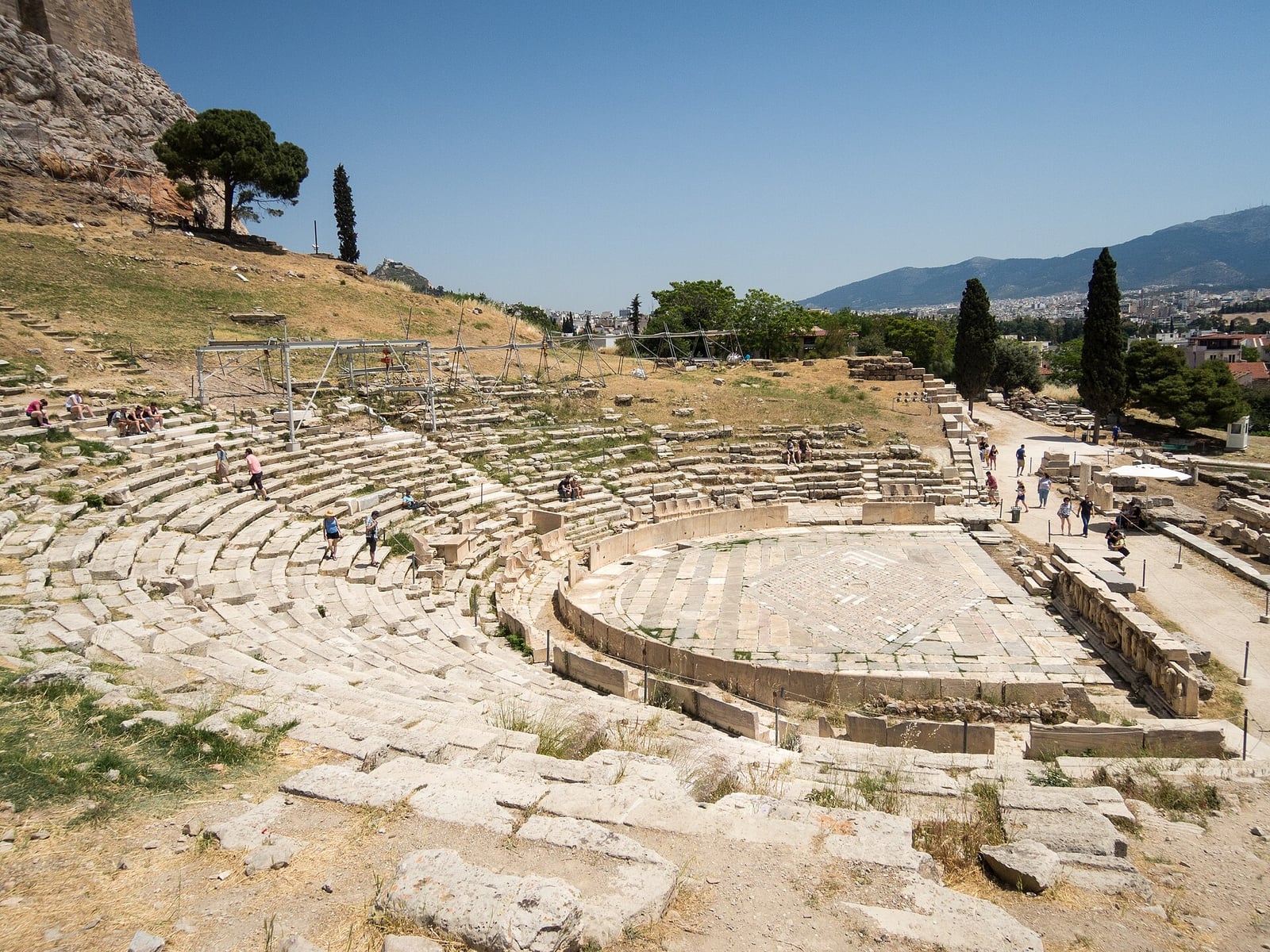
At the City Dionysia dramatic festival in fifth-century BCE Athens, audiences gathered to witness the premiere of Sophocles's tragedy Oedipus Rex. Though scholars often assign the staging to around 429 BCE, the exact date of this inaugural performance remains uncertain. The play did not claim victory at the festival; instead, it took second place, finishing behind a submission by Philocles, the nephew of Aeschylus. Despite that initial festival outcome, the drama eventually secured an enduring position in ancient literary criticism. Aristotle later turned to it repeatedly in his Poetics, citing its structure as a premier standard for tragic composition.
Originally known to ancient Greeks simply as Oedipus, the work acquired the title Oedipus Tyrannus in antiquity, probably to distinguish it from Sophocles's later drama Oedipus at Colonus. In ancient Greek, the designation tyrannos denoted a sovereign who held authority outside traditional dynastic succession, rather than necessarily describing an oppressive despot. The common title Oedipus Rex is a later Latin phrasing. Among the seven surviving tragedies of Sophocles, Oedipus Rex is likely the fourth in order of composition. Although it was composed approximately a dozen years after Antigone, the narrative within Oedipus Rex takes place earliest in the mythical chronology of Theban legends dramatized across Sophocles's surviving works.

Keep reading in Yester
Coming soon to the App Store
Keep following the story

Sources
Image: Jebulon