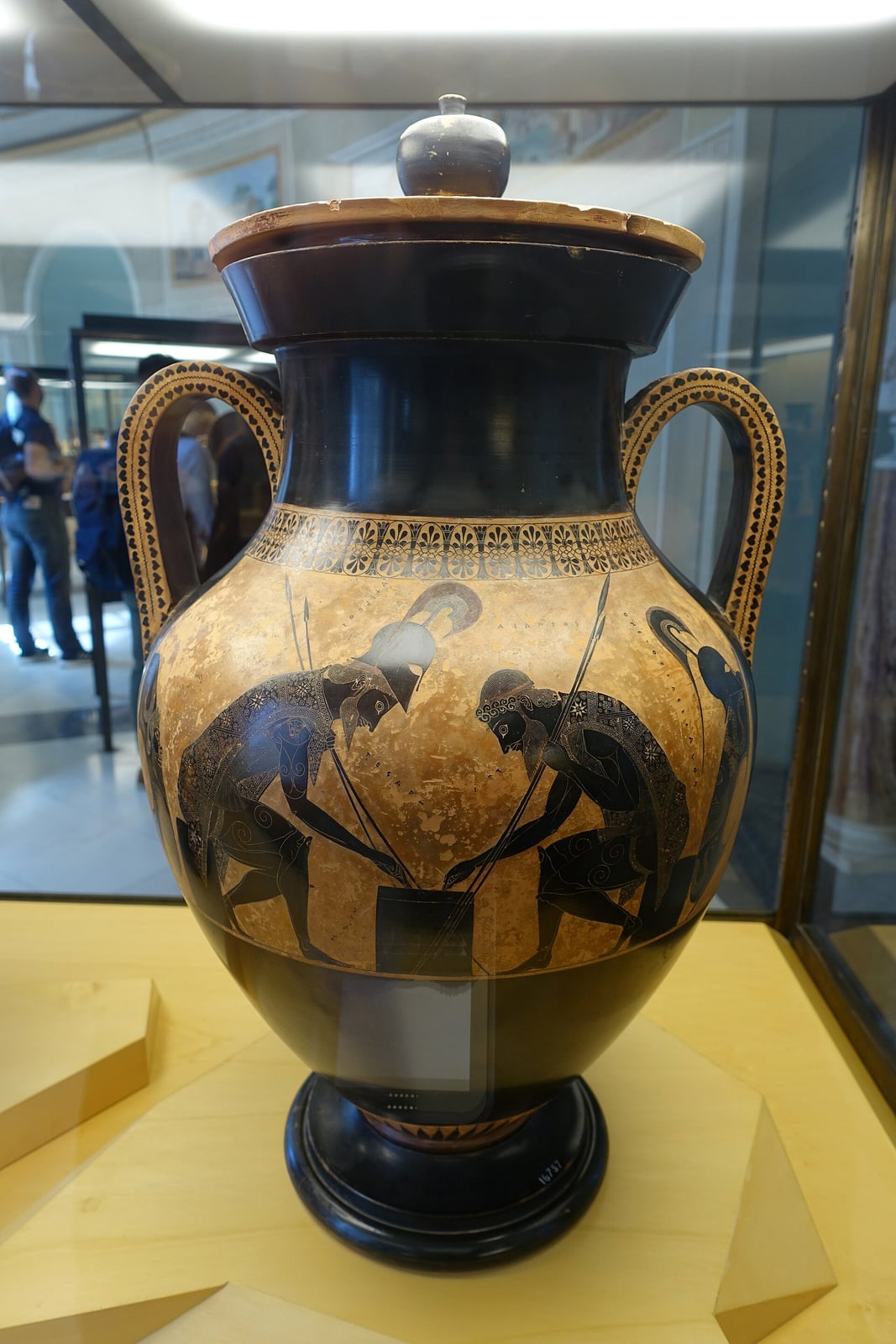
The Iliad Gives Lasting Form to a War Tradition
An epic explores anger, honor and mortality within the Trojan War story.
Attributed to Homer and composed in dactylic hexameter, the Iliad stands among the oldest surviving literary works still widely read today. The standard text runs to roughly 15,700 lines arranged into 24 books, using a composite literary idiom known as Homeric Greek that blended Ionic with other regional dialects. Scholars generally assign its origins to the eighth century BC, though several modern researchers advocate for a mid-seventh-century BC date. Debates surrounding whether the epic arose from independent oral traditions or early written texts continue under the enduring academic umbrella of the Homeric Question.
Rather than chronicling the entirety of the legendary ten-year conflict between Troy and a coalition of Mycenaean states, the narrative concentrates on several dramatic weeks during the final year. Crucially, the epic does not depict the ultimate fall of the city, nor does it mention the celebrated stratagem of the Trojan Horse, both of which belong to separate, later traditions. The composition instead opens with an invocation to the Muse and directly addresses the bitter wrath of the warrior Achilles following a dishonorable dispute with the allied commander Agamemnon over captured women.

Keep reading in Yester
Coming soon to the App Store
Keep following the story
Sources
Image: Daderot