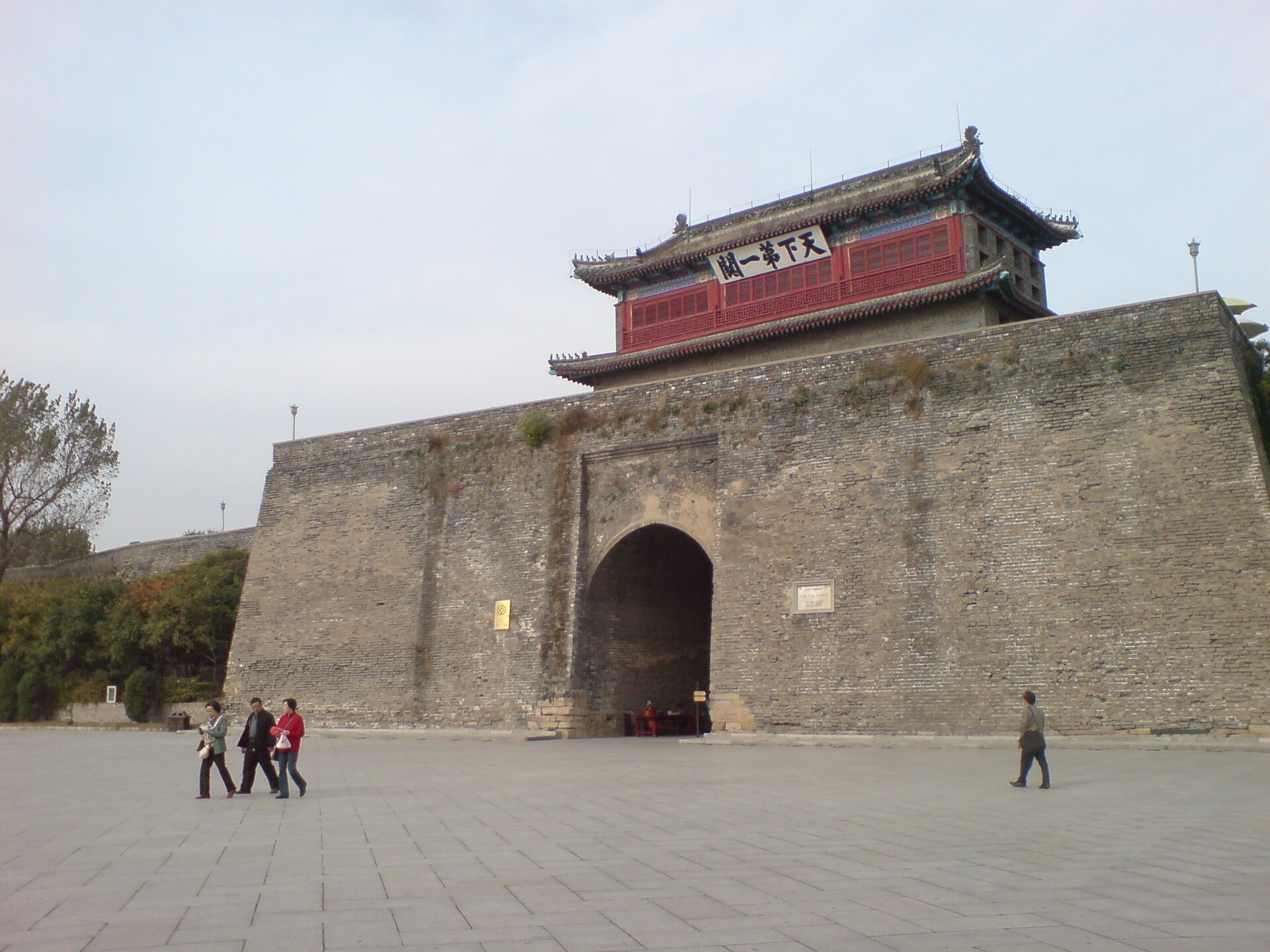
The Qing Pour Through Shanhai Pass as the Ming Fall
A Ming general let Manchu armies through the Great Wall to fight the rebels who held Beijing.
In the spring of 1644, the Ming dynasty collapsed under the weight of internal rebellion and external pressure. Rebel leader Li Zicheng had captured the northern capital in late April, having founded the Shun dynasty earlier that year. The Chongzhen Emperor took his own life on a hill overlooking the capital, ending direct Ming governance in the imperial seat. Further east, general Wu Sangui commanded the remaining Ming garrison forces at Shanhai Pass, the strategic coastal gateway where the Ming fortification network met the Bohai Sea. Abandoning his forward stronghold in Ningyuan to protect the pass, Wu left the borderlands outside the fortification line exposed to the rising Manchu Qing empire.
Trapped between Li Zicheng to the west and the Qing armies to the northeast, Wu Sangui faced imminent attack. Li personally marched from Beijing with an army to neutralize Wu, deploying along the Sha River near Shanhai Pass on May 25. Having rebuffed two earlier rebel thrusts, Wu sought external support. He dispatched messages to Prince Regent Dorgon, the de facto ruler of the Qing state acting on behalf of the young Shunzhi Emperor. Wu initially petitioned the Manchus to help suppress the Shun rebellion and restore the Ming, but Dorgon, advised to claim the Mandate of Heaven for the Qing, insisted that Wu surrender and serve the new dynasty instead.

Keep reading in Yester
Coming soon to the App Store
Keep following the story

Sources
Image: BenBenW