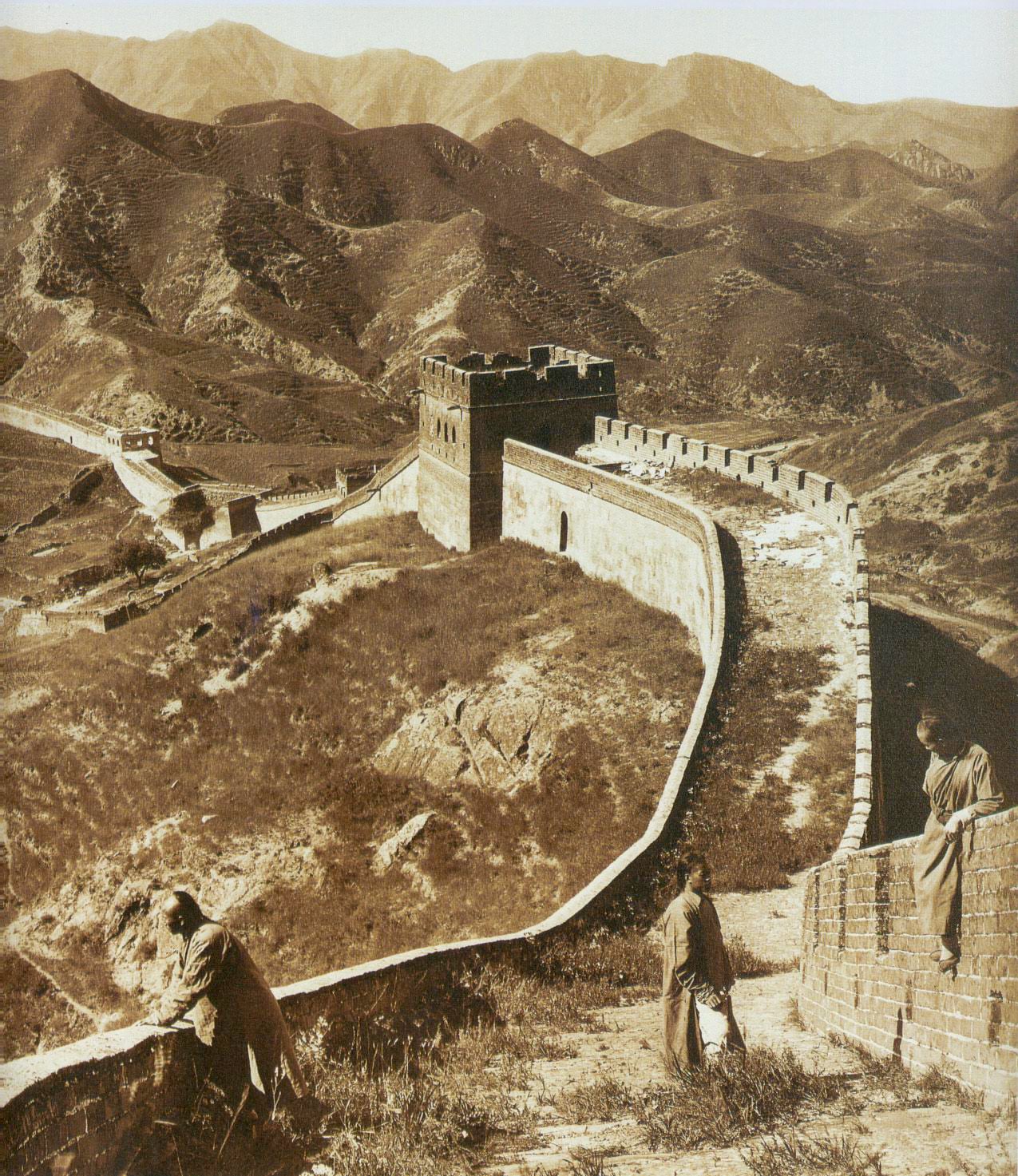
The Ming Rebuild the Great Wall in Brick and Stone
The Ming dynasty turned older earthworks into the wall seen today.
During the late sixteenth century, the Ming dynasty fundamentally transformed the defensive landscape of northern China. Earlier Chinese states had relied on fortifications built primarily of rammed earth and gravel tamped between wooden frames. These ancient barriers, dating back to the Spring and Autumn and Warring States periods, were frequently repaired or extended by later dynasties, including the Qin and Han. However, centuries of weathering and military pressure from steppe confederations repeatedly exposed the fragility of untended dirt ramparts. Following their defeat by the Oirats at the Battle of Tumu, Ming authorities adopted a revised northern strategy, turning away from forward expansion to construct a more durable and heavily defended barrier.
The new Ming fortifications were distinguished by their widespread use of kiln-fired bricks and cut stone. Bricks provided uniform components that laborers could transport and assemble more rapidly than rough stone, while offering far greater resistance to weathering than packed earth. For crucial structural points, such as foundations, brims, and fortified entryways, builders utilized rectangular stone blocks capable of bearing tremendous weight. To bind these materials, masons employed a durable mortar composed of slaked lime mixed with sticky rice soup. The resulting stonework created resilient ramparts crowned with battlements, parapets, and strategically spaced defensive openings for imperial archers and lookouts.

Keep reading in Yester
Coming soon to the App Store
Keep following the story
Sources
- The Great Wall (UNESCO World Heritage Centre)
- China's wall gets greater (Al Jazeera, 2009)
- Great Wall of China Twice As Long As Thought (Live Science)
- Great Wall length (Visit Beijing, Beijing Municipal Culture and Tourism Bureau)
- Qi Jiguang's Army performance (Mutianyu Great Wall official site)
- Fourth of the 15 Passes: Huangyaguan (Simatai Great Wall, Google Arts and Culture)
- Great Wall of China
Image: Herbert Ponting