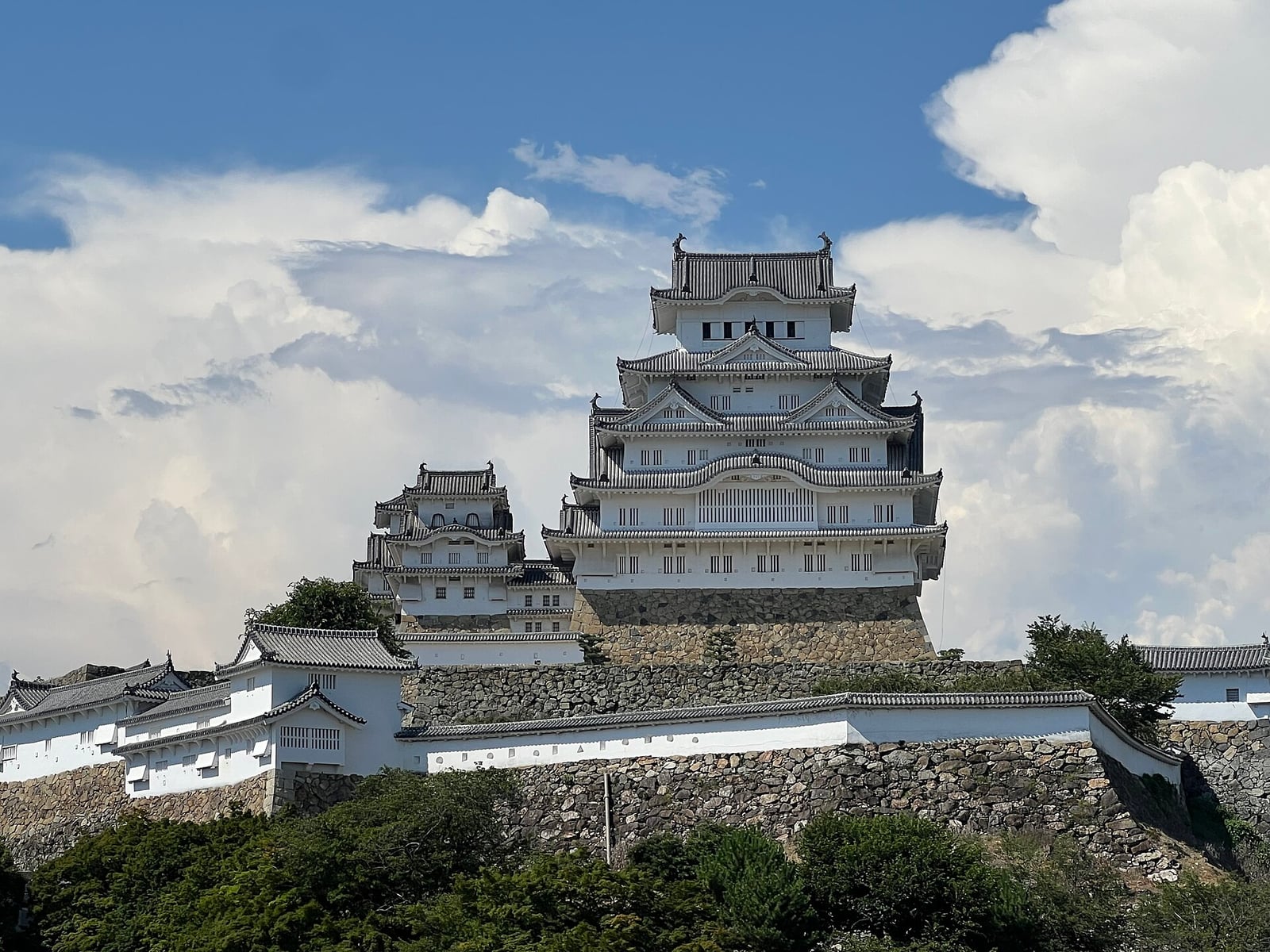
Himeji Castle Gains Its Great White Keep
Ikeda Terumasa finished a castle that came through wars, fires and bombing intact.
Perched on Himeyama hill in western Japan, Himeji Castle assumed its defining monumental form during the opening decade of the seventeenth century. The hilltop position had held defensive works since 1333, when Akamatsu Norimura erected a temporary fort; his son Sadanori built a larger fortress there in 1346, and successive lords adapted it. In 1581, Toyotomi Hideyoshi expanded the site by adding a three-story keep. Following the pivotal Battle of Sekigahara in 1600, Tokugawa Ieyasu granted the fortress to his son-in-law, Ikeda Terumasa, rewarding his military support with this strategically valuable holding.
Ikeda initiated an ambitious overhaul that dismantled Hideyoshi's previous keep and transformed the grounds between 1601 and 1609. The massive expansion, requiring an estimated two and a half million man-days of labor, constructed three moats and an extensive network of fortified structures. The resulting fortress was built in the flat hilltop style, utilizing stone foundations and timber framework clad in fire-resistant white plaster. Its bright coating and sweeping profile soon earned it the popular moniker of White Heron Castle.

Keep reading in Yester
Coming soon to the App Store
Keep following the story
Sources
Image: Mont Blank rich