Rukmini Devi Founds Kalakshetra for Bharatanatyam
A dancer built a school that carried a temple dance form onto the concert stage.
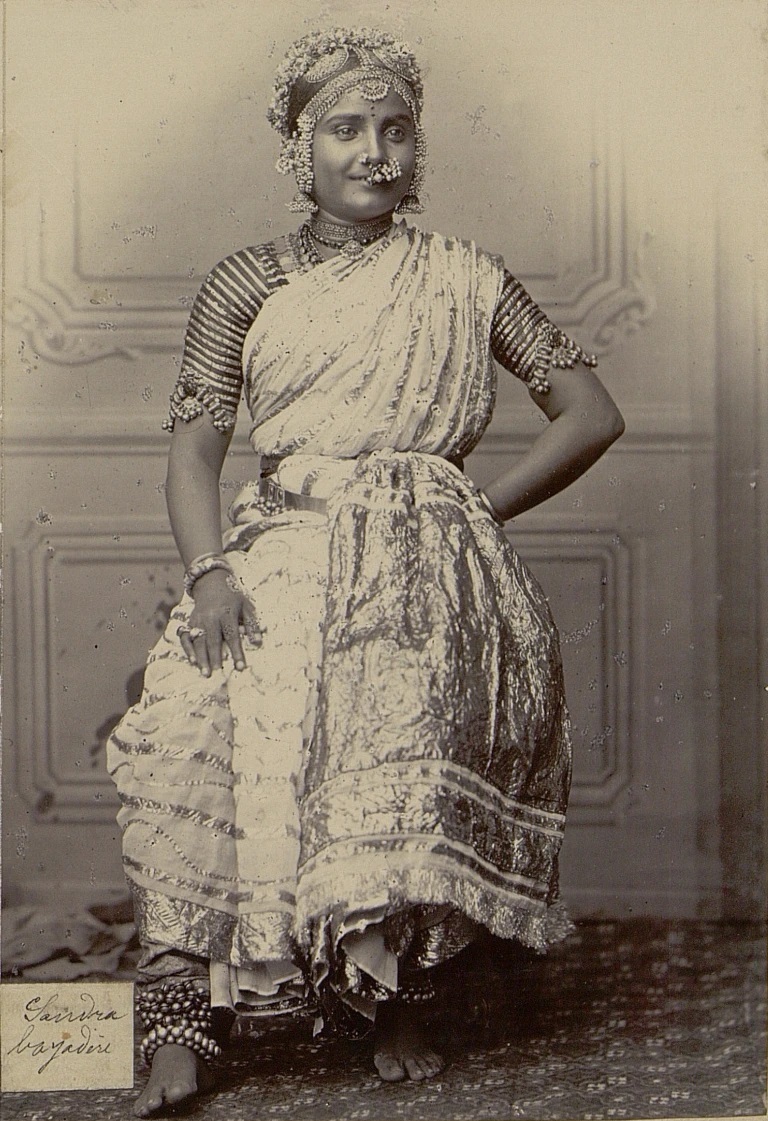
Rukmini Devi Arundale established the arts academy Kalakshetra in Chennai in January 1936, providing a formal institutional framework for the revival and transformation of southern Indian classical dance. Her work directly reshaped sadhir, a traditional dance cultivated for generations by temple performers known as devadasis. During the early twentieth century, sadhir faced widespread moral condemnation and social marginalization. Through rigorous training, public performance, and educational reform, Arundale sought to rescue the discipline from disrepute, reframing it as a refined theatrical art that eventually achieved international renown under the name Bharatanatyam.
Born in Madurai in 1904 into a Tamil Brahmin family, Arundale grew up immersed in the cultural environment of the Theosophical Society in Adyar, where her family settled after her father's retirement. In 1920, she married George Arundale, a prominent British theosophist. Her travels exposed her to global artistic circles, leading to an encounter in 1928 with the Russian ballerina Anna Pavlova. While traveling together, Arundale studied ballet with Cleo Nordi, one of Pavlova's leading solo dancers. Pavlova urged her to explore the traditional performance traditions of her own country, prompting Arundale to turn her creative focus toward southern Indian heritage.

Keep reading in Yester
Coming soon to the App Store
Keep following the story
Sources
Image: Fedor Jagor