Tyagaraja Composes the Songs of Carnatic Music
A poet-composer’s devotional songs became the core of South Indian classical music.
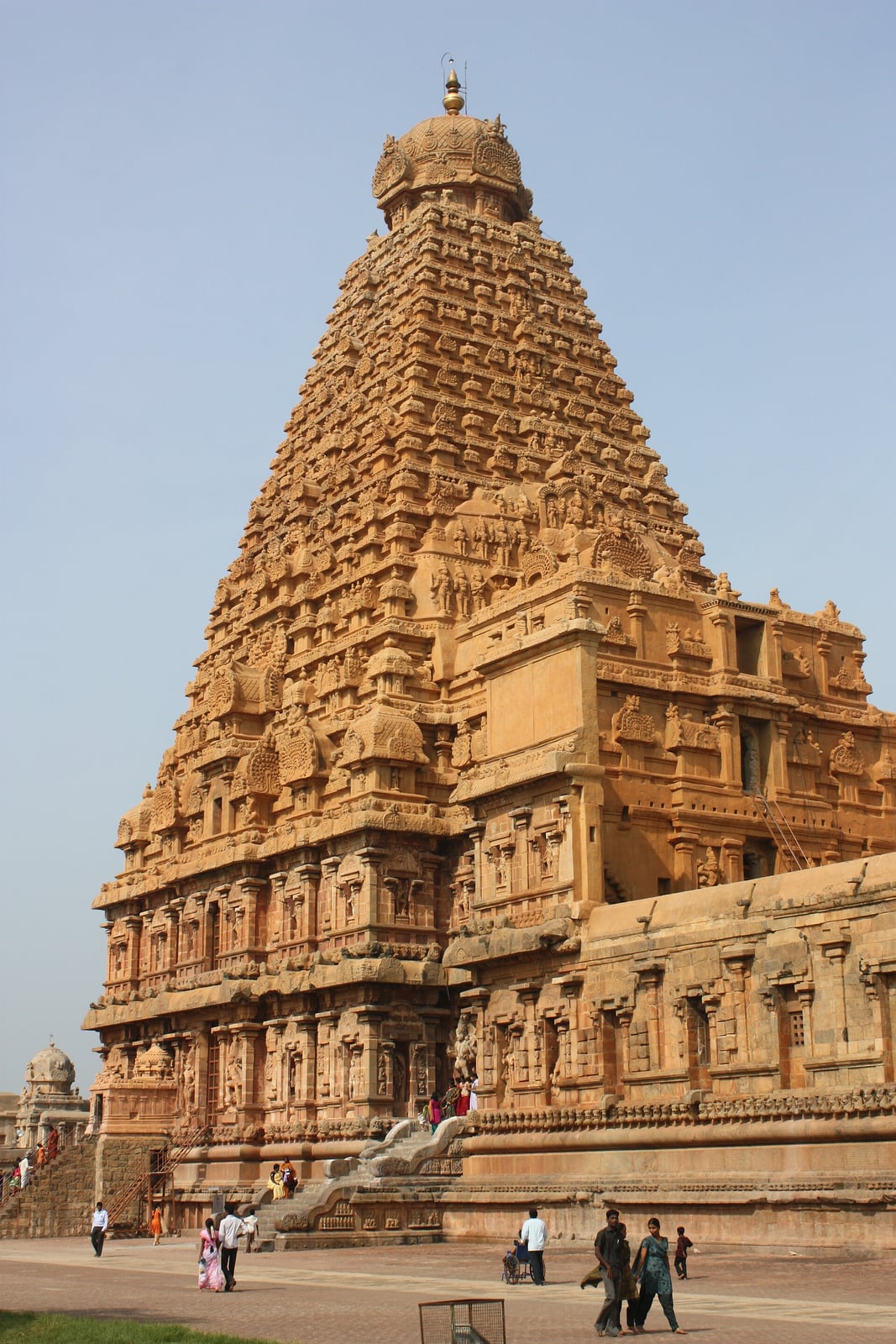
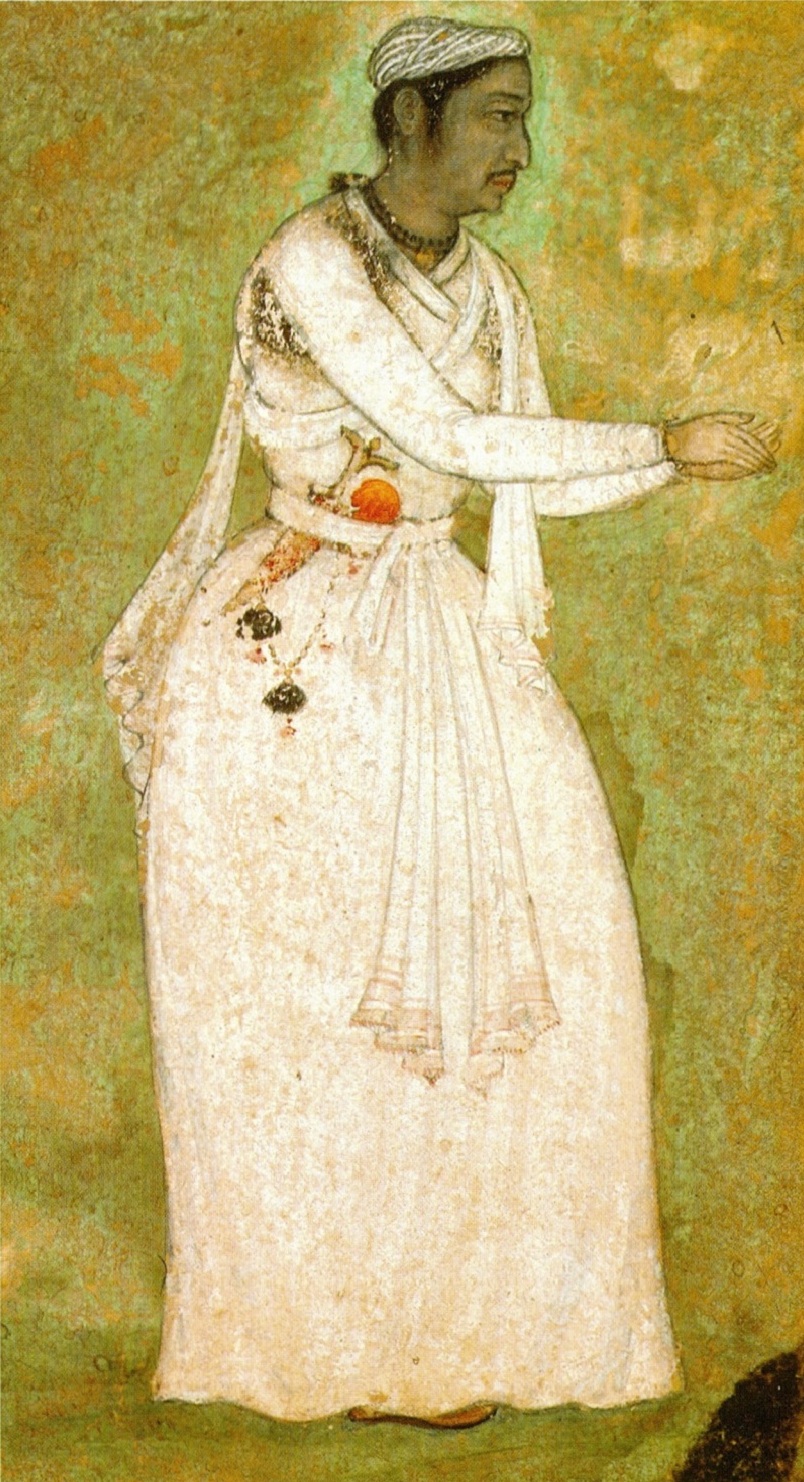
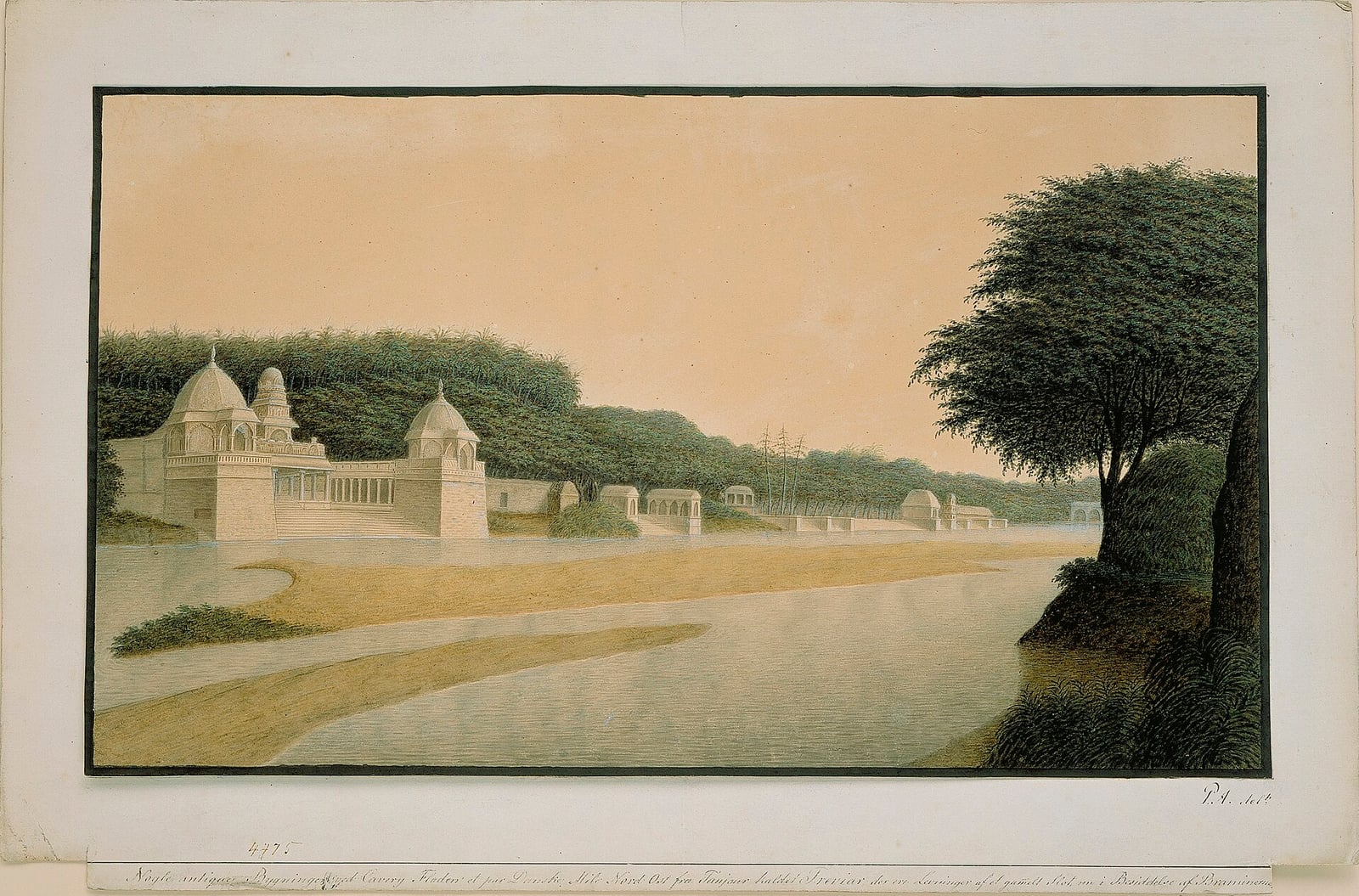
Born in 1767 in Thiruvarur, Kakarla Tyagabrahmam, known as Tyagaraja, emerged from a Telugu Brahmin family that had settled in the Tamil country following the decline of the Vijayanagara Empire. Although a minority view among musicologists suggests Thiruvaiyaru as his birthplace, consensus favors Thiruvarur. He grew up in Thiruvaiyaru along the Kaveri River, residing in a humble house granted to his father by Thuljaji, the Maratha ruler of Thanjavur. His maternal grandfather was a skilled player of the veena, and Tyagaraja received his formal musical education under Sonthi Venkata Ramanayya, the prominent court vidwan.
Despite living through the reigns of four Thanjavur monarchs, Tyagaraja pointedly declined to enter royal service. When King Serfoji II sent gifts and a direct invitation to join the court, the composer rejected the patron's overtures. Tyagaraja regarded music not as an avenue for material advancement, but as an austere, personal vehicle for spiritual expression. He dedicated the vast majority of his devotional songs, known as kritis, to the deity Rama, adopting a modest lifestyle and relying on voluntary devotion rather than aristocratic stipends.

Keep reading in Yester
Coming soon to the App Store