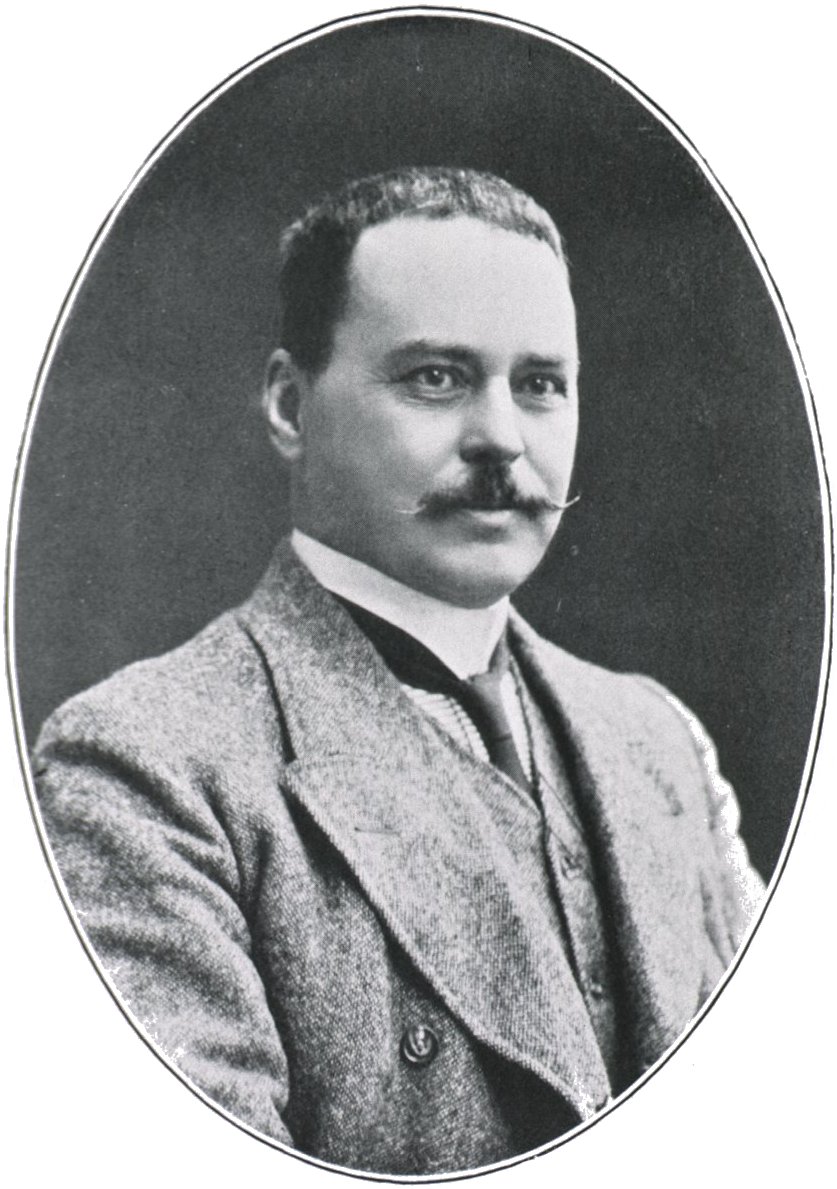
Ronald Ross Finds the Malaria Parasite in a Mosquito
A medical officer traced how mosquitoes spread malaria.
On 20 August 1897, surgeon Ronald Ross examined the stomach wall of a dissected mosquito under his microscope in Secunderabad, India. Working in the Indian Medical Service, Ross had spent over two years struggling to confirm how the disease spread. In the tissue of an insect that had fed on a malarial patient named Husein Khan, he detected pigmented structures resembling the human malarial parasite. The following day, he observed that the organisms had grown, confirming that the parasite survived and developed inside the insect. He reported the finding in the British Medical Journal in December 1897.
Ross's medical investigations were shaped under the guidance of Sir Patrick Manson, who had mentored him in London in 1894 and encouraged him to pursue the transmission mechanism in India. Progress had previously stalled because of repeated reassignments, such as an urgent deployment to Bangalore during a cholera outbreak in 1895, as well as an episode where Ross himself contracted malaria in 1896 despite taking daily quinine prophylaxis. To conduct the decisive August trials, Ross had reared twenty adult mosquitoes from larvae and paid Khan eight annas to allow them to feed upon his blood. At the time, Ross catalogued the insects merely by their physical traits as dappled-winged mosquitoes, which were later identified as members of the genus Anopheles.

Keep reading in Yester
Coming soon to the App Store
Keep following the story
Sources
- Ronald Ross, Biographical (NobelPrize.org)
- Ronald Ross, Nobel Lecture: Researches on Malaria (NobelPrize.org)
- Nomination archive: Ronald Ross, Physiology or Medicine 1902 (NobelPrize.org)
- Ronald Ross: polymath and discoverer (Hektoen International)
- Ross, Ronald (Complete Dictionary of Scientific Biography, Encyclopedia.com)
- Robert Koch, malaria pioneer (PMC)
- About the Cover: Giovanni Battista Grassi and Malaria (Emerging Infectious Diseases, CDC)
- Ronald Ross
Image: Unknown author Unknown author