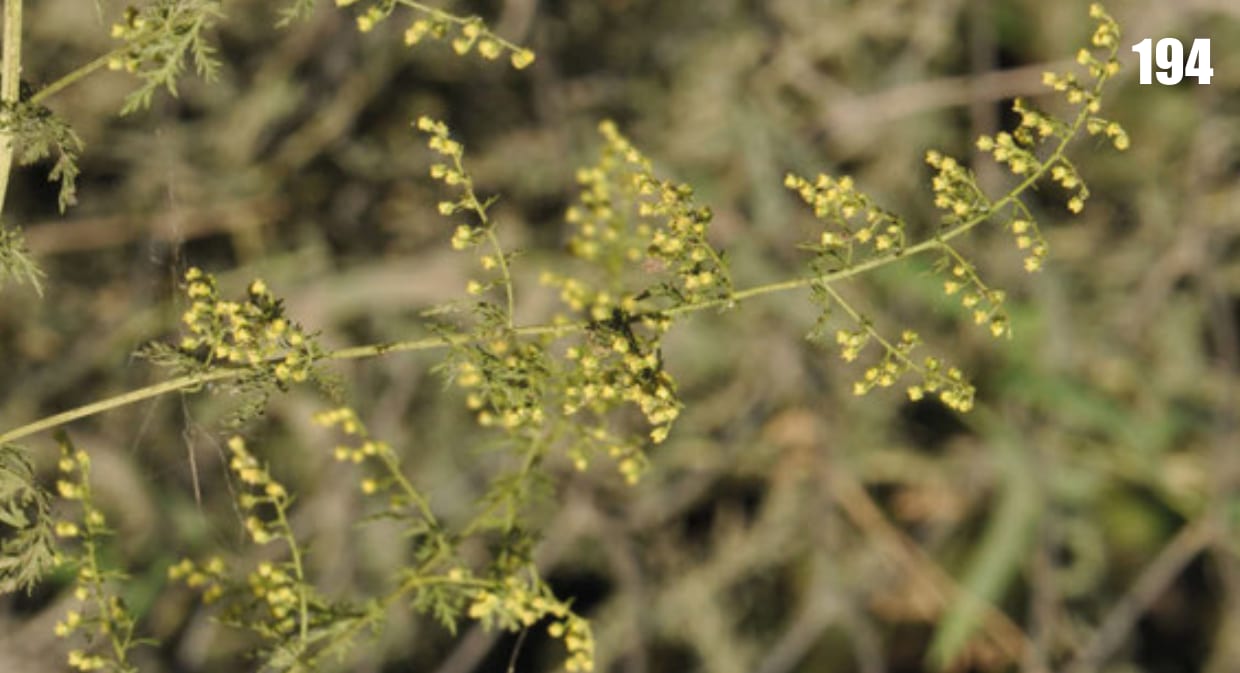
Tu Youyou Helps Turn a Plant into an Antimalarial Breakthrough
Research on traditional remedies became part of a collective scientific effort against malaria.
In 1969, Chinese pharmaceutical chemist Tu Youyou was appointed to lead a research unit within Project 523, a covert national initiative established to discover effective malaria therapies. Launched in May 1967 following requests from North Vietnam for assistance during the Vietnam War, the programme responded to intense military and civilian pressure caused by strains of the disease that resisted existing treatments such as chloroquine. Malaria was also a significant problem within China itself. While laboratory programmes around the world had already tested hundreds of thousands of synthetic substances without resolving the issue, Tu turned her attention to historical medical literature and indigenous plant knowledge.
Tu examined hundreds of classical Chinese medical manuscripts and travelled across the country to consult practitioners of traditional healing. Gathering recipes used historically to treat intermittent fevers, she assembled a brochure of six hundred and forty prescriptions, which her Nobel autobiography translates as Antimalarial Collections of Recipes and Prescriptions. By 1971, her research team at the Academy of Traditional Chinese Medicine in Beijing had prepared three hundred and eighty extracts sourced from approximately two hundred herbal varieties. These preparations were methodically evaluated against malaria in animal trials, yet initial tests failed to yield consistent, reproducible protection.

Keep reading in Yester
Coming soon to the App Store
Keep following the story
Sources
Image: Arkadiusz Nowak, Marcin Nobis, Sylwia Nowak, Agnieszka Nobis, Anna Wróbel, Sebastian Świerszcz, Ewelina Klichowska, Iwona Dembicz & Grzegorz Kusza